Forecast for the Salt Lake Area Mountains

Bo Torrey
Issued by Bo Torrey on
Friday morning, March 6, 2026

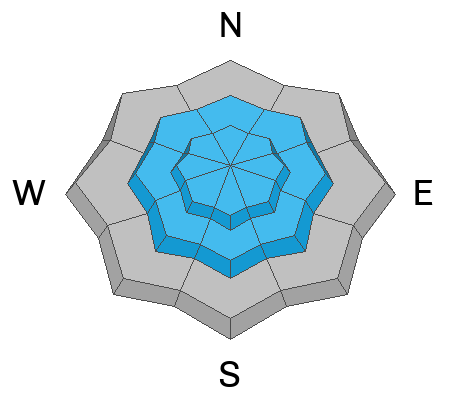
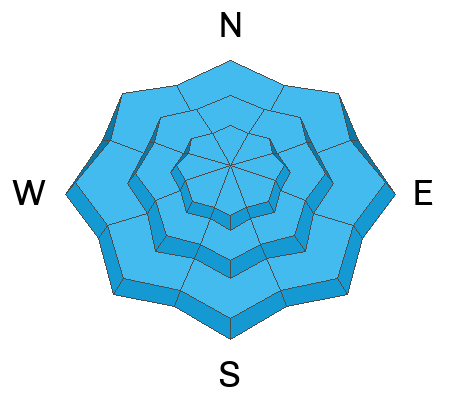
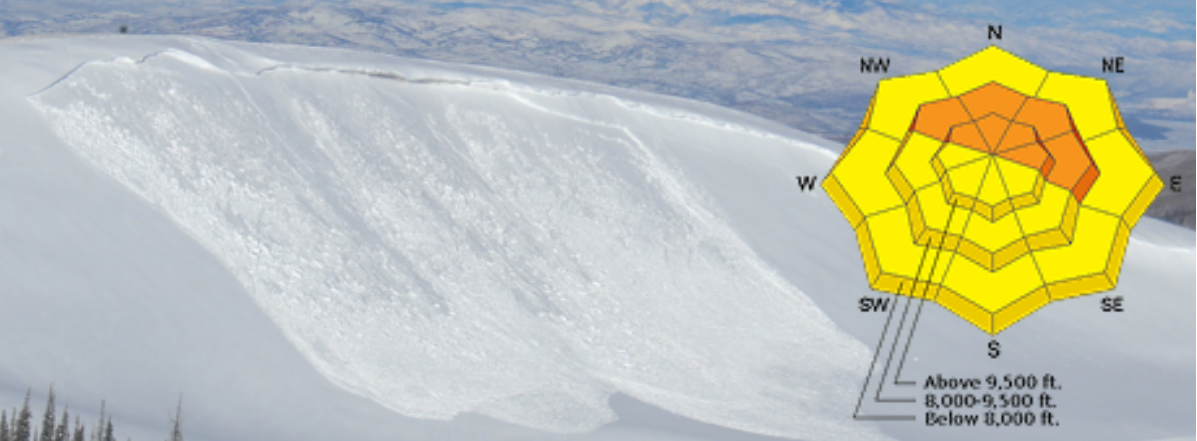
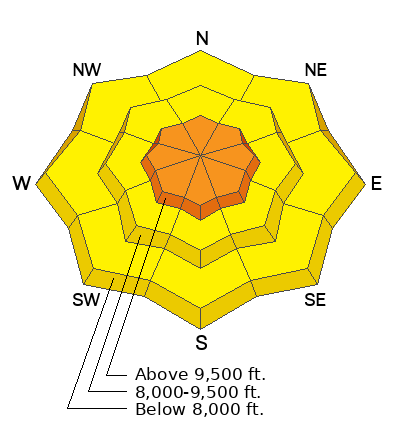
A CONSIDERABLE avalanche danger exists on upper elevation slopes where heavy snowfall and wind are creating sensitive soft slabs up to 2 feet thick. Human-triggered avalanches are likely, and natural avalanches are possible. The storm snow is bonding poorly to the old snow surfaces, resulting in new snow avalanches running fast and further than expected. Any avalanche triggered on slopes facing W-N-E has the potential to stepdown and trigger a much larger avalanche that fails on a buried persistent weak layer 3-4 feet deep and hundreds of feet wide.

Careful snowpack evaluation, cautious route-finding, and conservative decision-making are essential.

Don't let the excitement cloud your judgment; take a deep breath and slow down.
Low
Moderate
Considerable
High
Extreme
Learn how to read the forecast here
Special Announcements

Avalanche Trivia is back at Hopkins Brewing on March 8th, starting at 7 PM! Bring your friends and test them on their knowledge, while giving back to the UAC. See details HERE

Weather and Snow

Yesterday, WNW flow during the day favored Little Cottonwood Canyon, delivering 8 to 12 inches of low-density snow. Big Cottonwood received about half that amount, and Park City saw 1 to 3 inches. Winds blowing from the northwest were 15-25 mph and gusty, but mostly confined to the ridgetop.

Overnight, another wave of moisture moved in, with temperatures dropping into the teens and low 20s °F. Winds from the NNW dropped to 10-20 mph, with the highest peaks seeing gusts in the 40s.

Today, snow continues with rates approaching 1 to 2 inches per hour at times, and an additional 8-14 inches are possible by the end of the day in favored areas. There's a catch, though. If the flow shifts too far north, we'll miss out, and snowfall will become light and showery. Winds are forecast to remain generally light to moderate, blowing out of the NNW 10-25 mph with gusts into the 30s and easing this afternoon. Temperatures remain cold, with daytime highs in the 20s °F.

Storm Total snow and water numbers as of 6:00 AM

  • Little Cottonwood Canyon: 19-23" snow/ 1.2-1.7" SWE
  • Big Cottonwood Canyon: 10-13" snow / 0.6-0.9" SWE
  • Park City Ridge: 6-10"/ 0.4-0.8" SWE

The Week in Review from Friday, February 27 to Thursday, March 5, 2026 was just published and highlights the previous week's key avalanche and weather events contributing to conditions in the backcountry.

Recent Avalanches

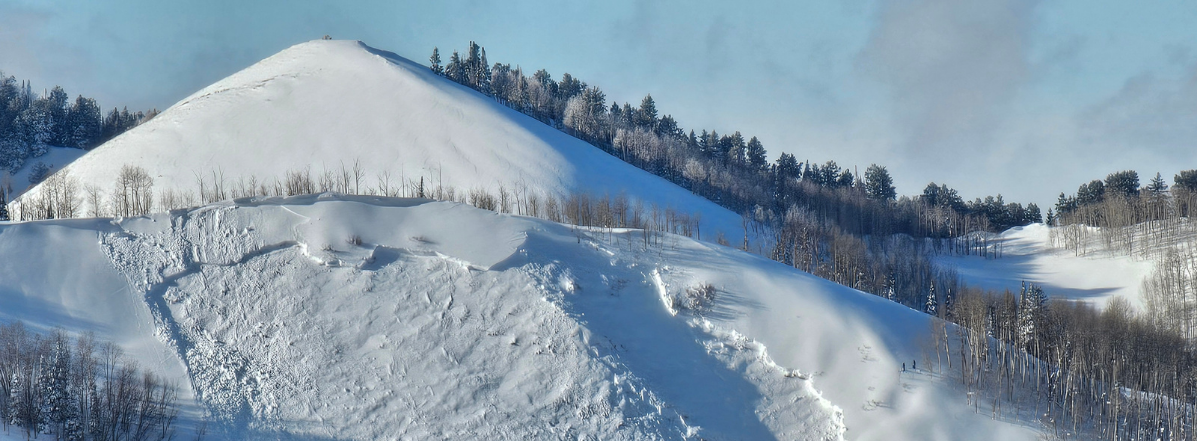
Yesterday, backcountry riders triggered fast-running loose-dry avalanches on all aspects as the new snow was not bonding well to the old snow surfaces.

Ski areas reported sensitive cornices and shallow, but widely propagating soft slabs. These slabs were becoming large enough to bury a person by the end of the day.

NE Aspect - 9900' - New snow sitting atop the 1F slab sitting on top of the rain crust with 4F snow beneath - no results. Observation HERE.

Avalanche Problem #1
Wind Drifted Snow
Type
Location
Likelihood
Size
Description

Winds blowing predominantly from the NW are drifting snow and forming sensitive soft slabs along upper elevation ridges. With no shortage of low-density snow to transport, expect avalanches to be 2 feet thick or more and propagate wider than you might expect.

If the wind shifts and begins blowing from the NE or E, expect slabs to form in unusual locations.

Avalanche Problem #2
New Snow
Type
Location
Likelihood
Size
Description

Intense snowfall of 1–2 inches per hour is creating sensitive conditions. Human-triggered avalanches are likely, and natural avalanches are possible. Expect both loose-dry and soft slabs that are easy to trigger and capable of running fast and far.

Avalanche Problem #3
Persistent Weak Layer
Type
Location
Likelihood
Size
Description

The DJL (Dry January Layer) of facets is buried 2–4 feet deep beneath a hard slab of settled snow and crusts. Avalanche activity on this layer has gone quiet since February 26th. Snowpack tests continue to show that the layer is difficult to initiate a failure; however, once a failure occurs, it still propagates across the column.

While it may be difficult to trigger this avalanche, the resulting slide would be very large and dangerous. Uncertainty regarding this problem is growing as additional snow and wind stress this weak layer. For now, I recommend avoiding steep, upper elevation, rocky slopes facing W-N-E, where this problem is most likely to be triggered.

Any large avalanche that fails in surface snow has the potential to stepdown to a persistent weak layer, resulting in a much larger avalanche.

UAC Forecaster. Trent Meisenheimer summarizes the current snowpack structure. This video is from Wednesday, March 4, before the storm.

General Announcements

This information does not apply to developed ski areas or highways where avalanche control is normally done. This forecast is from the U.S.D.A. Forest Service, which is solely responsible for its content. This forecast describes general avalanche conditions and local variations always occur.