Check Out Our Holiday Auction!

Forecast for the Ogden Area Mountains

Nikki Champion
Issued by Nikki Champion on
Monday morning, December 8, 2025

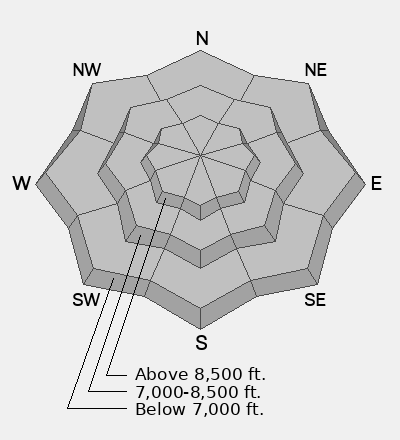
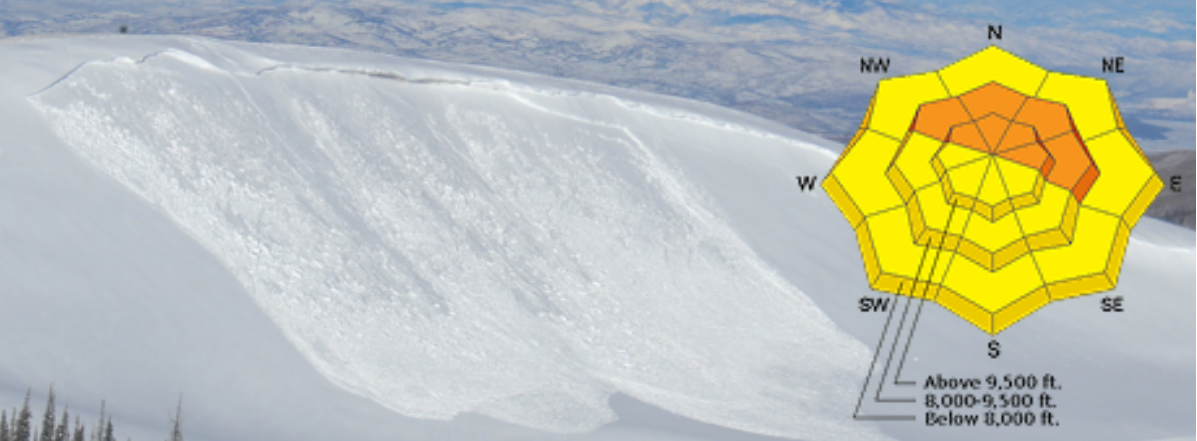
Today, mid- and upper-elevation steep slopes facing west through north and east have a MODERATE avalanche danger for triggering a slab on the Oct/Nov facets now buried 10–12 inches deep.

Across all upper elevations, there is also MODERATE danger for wind-drifted snow, which could step down and trigger deeper avalanches.

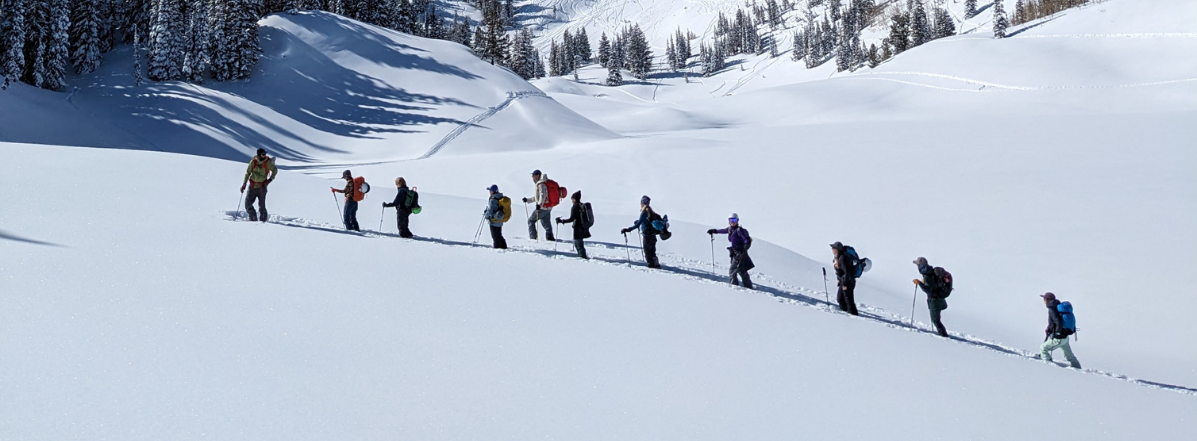
Evaluate the snow and terrain carefully. Sunny skies and fresh powder are tempting, but most accidents occur after peak instability. Avalanche terrain can be avoided, and fun riding is still possible on lower-angled slopes.

Low
Moderate
Considerable
High
Extreme
Learn how to read the forecast here
Weather and Snow

This morning, skies are mostly broken and temperatures are in the mid-20s to low 30s °F. Northwest winds continue at 10 to 20 mph, with gusts into the 30s across most upper elevation wind sites.

Today, skies will be cloudy in the morning with the possibility of a few lingering flurries, then gradually clearing to sunshine in the afternoon. Winds will ease a bit, blowing from the west-northwest and averaging 10 to 20 mph, with gusts up to 30 mph across most upper elevation sites. Mountain temperatures will climb into the low to mid to upper-30s °F.

For the outlook, there is potential for generally light precipitation Tuesday into Wednesday, with less than 0.1 inches of water even at the 75th percentile. Snow levels will be high, rising above 8,500 feet by Wednesday.

Recent Avalanches

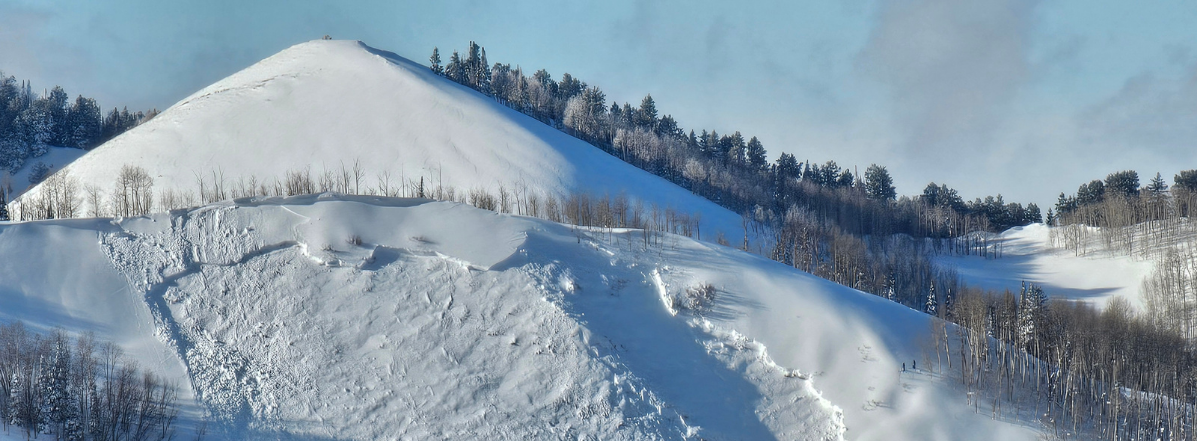
In the Ogden area, dozens of avalanches were observed along the Ben Lomond Ridgeline, ranging up to D2 in size. Most appeared to be natural and likely occurred Friday-Saturday during peak instability, with no new avalanches reported yesterday. Some were smaller, isolated windslab releases, while others stepped down to the Persistent Weak Layer.

Additionally, a slide was observed from the trail south of Cutler Ridge near Bailey Springs, at a lower elevation and outside the main wind zone. Its aspect and slope angle correspond to the upper portion of the Cutler Ridge trail to the saddle. Ski resorts in the area reported limited explosive results yesterday.

Example of the avalanches seen along the Ben Lomond Ridgeline (Photo: H. Jeremias)

Avalanche Problem #1
Persistent Weak Layer
Type
Location
Likelihood
Size
Description

To get an avalanche, you need three things working together: a weak layer, a slab on top of it, and a slope steep enough to slide. Right now, we have all of that, with old October/November facets buried under recent storm snow on slopes steeper than 30 degrees across the northern half of the compass.

We saw plenty of proof over the weekend, with widespread avalanche activity and obvious red flags. As we move farther from the loading event, those signs might not be as obvious, but the dangerous setup is still very much in play.

This extends through both upper- and mid-elevation terrain, and both should be approached with caution, though upper-elevation slopes are the most suspect today. These areas received the most snow and have the most connected weak layer. Avalanches in this setup can even be triggered remotely, meaning you could collapse the weak layer and start a slide from a distance.

Avalanche Problem #2
Wind Drifted Snow
Type
Location
Likelihood
Size
Description

The northwest winds have been cranking for several days now. In some areas, these winds have scoured the snow surface, but in others, they are actively drifting snow and forming fresh soft and hard slabs. Be on the lookout for slopes that are loading or have that rounded, pillow-like appearance. Cracking under your feet, a hollow feel, or stiff, chalky snow are all signs of fresh wind drifts you should avoid.

These drifts can appear a few hundred feet below ridgelines, in protected terrain features or catches, or right around treelines. Even if the ridgeline looks scoured, the slopes just a few turns below can still be loaded with fresh, unstable pockets of wind-drifted snow. Keep an eye out for these spots, as they could be easy to trigger today.

On slopes where a weak layer of faceted snow lies underneath, even a small wind drift can overload the structure. The added weight from the wind can make an avalanche break deeper and wider, increasing the likelihood of a human or remote trigger and making the consequences much more severe.

General Announcements

This information does not apply to developed ski areas or highways where avalanche control is normally done. This forecast is from the U.S.D.A. Forest Service, which is solely responsible for its content. This forecast describes general avalanche conditions and local variations always occur.