It is always best to follow safe travel practices regardless of the avalanche danger: cross slopes one at a time, be aware of who is above and below you, and keep an eye on your partner.
New snow: While it's unlikely to find heavy accumulation, be on the lookout for deposits of new snow that can run far and fast on slick old surfaces.
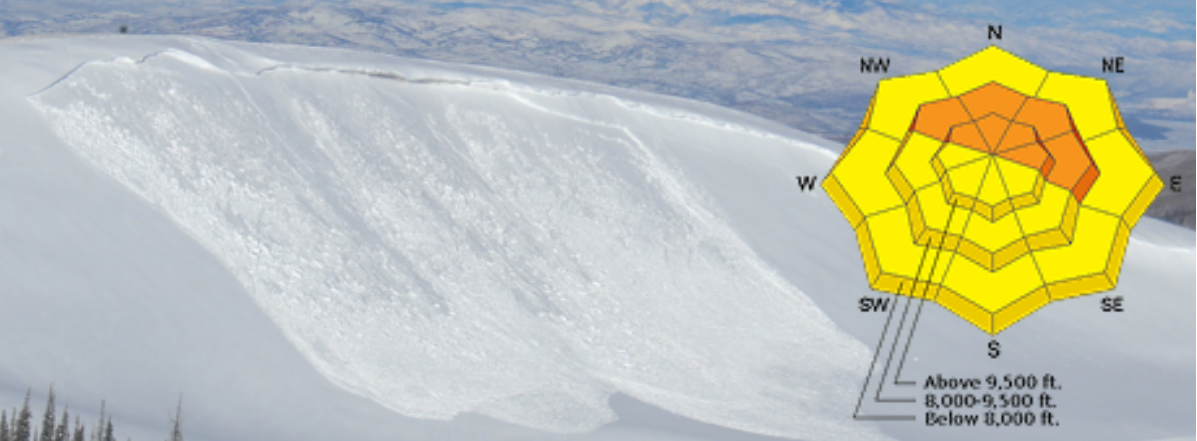
Wind-drifted snow: Be aware of small, pockety, mostly old hard wind slabs in isolated, rocky high alpine terrain. You may be able to find very small accumulations of new snow on slopes that face N-E-S.
Cornices tend to calve naturally during the springtime. Avoid being on or beneath these ridgeline hazards.
Persistent weak layer (PWL) was dropped as a problem yesterday, but keep it at the forefront of your mind in steep, unsupported, extreme northerly terrain. More on that below.
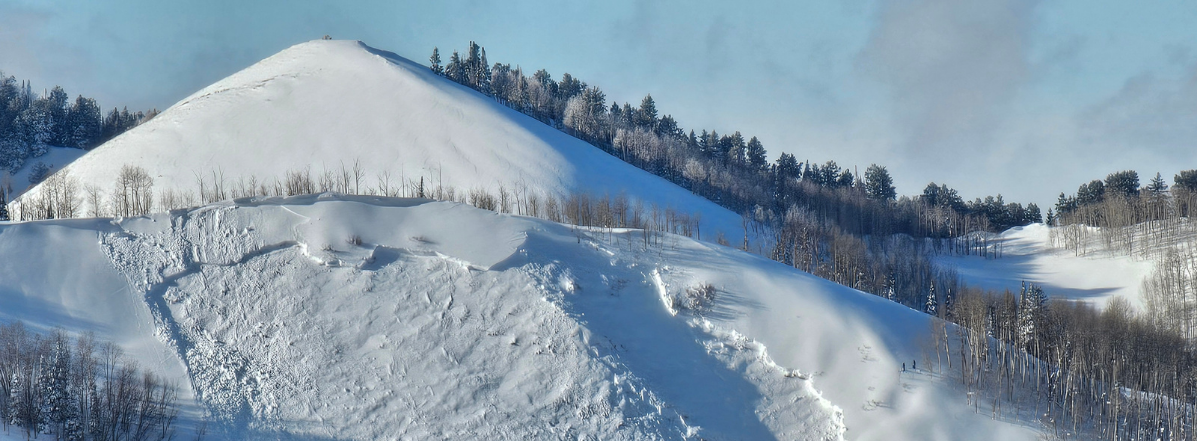
Glide avalanches have been releasing naturally in the past week, like in Broads on Friday. These full-depth and destructive slides are difficult to forecast and it's worth avoiding known habitat (on steep and smooth quartzite slabs) and their runouts in areas such as Stairs, Broads, and Mill B South of Big Cottonwood Canyon, and upper Porter Fork in Mill Creek.