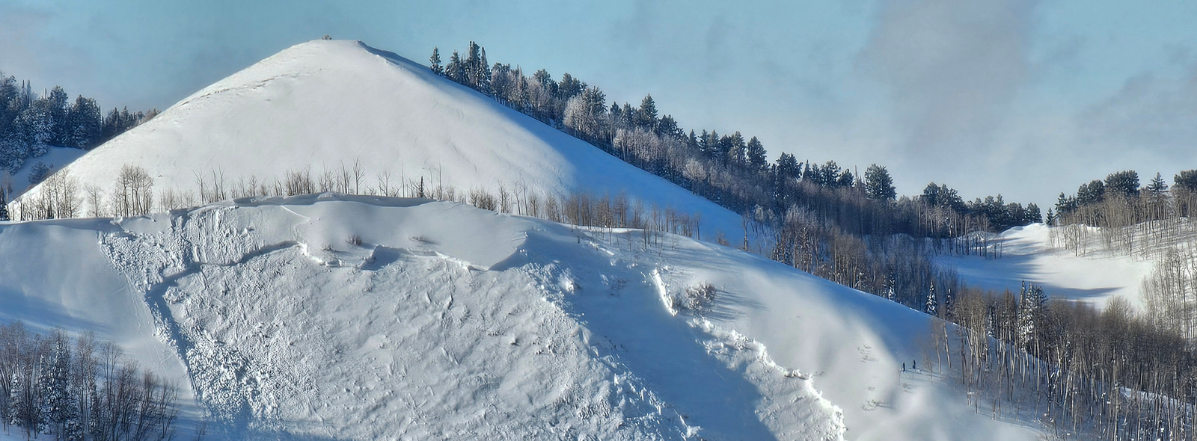
As always, if there's snow in the mountains, we need to be thinking about avalanches.
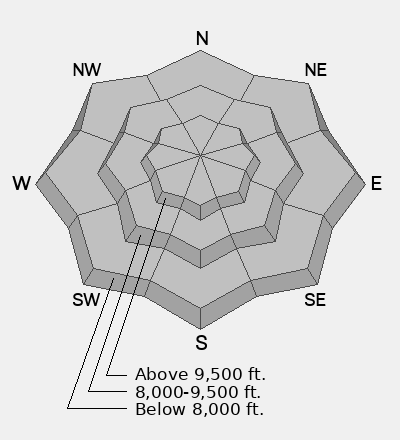
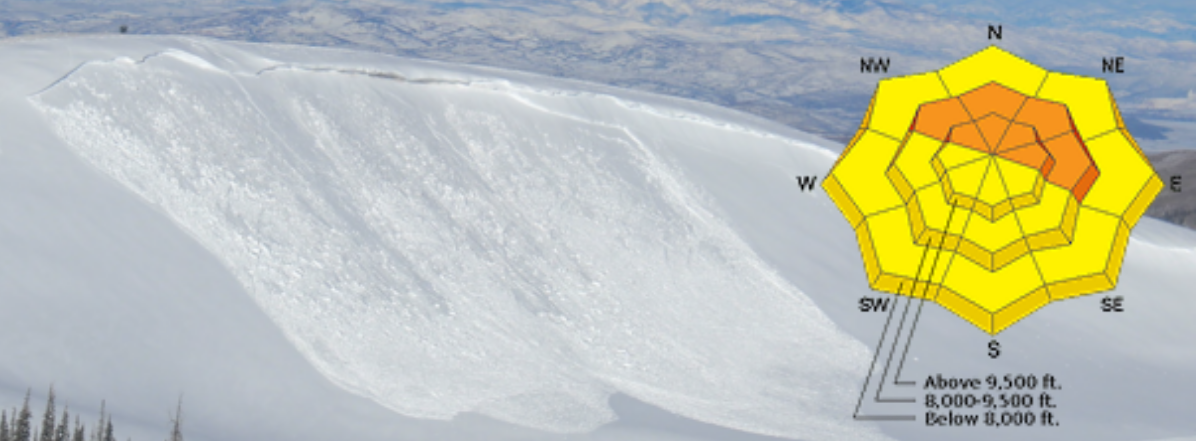
I suspect slopes without old faceted snow from October have largely stabilized with the colder temperatures. However, old faceted snow remains a concern, and we believe it's primarily confined to slopes facing northwest, north, and northeast above 9,500 feet.
On these slopes, I'd still be concerned about the potential for triggering an avalanche where the new snow is sitting on top of old, weak faceted snow. If you're heading into the mountains, take the time to dig down in a safe location and see what layering exists before committing to avalanche terrain. Remember, colder temperatures alone won't necessarily stabilize a buried weak layer.
And while you're at it, help us out by submitting an observation! We could use more eyes in the mountains to help identify and track where this old, weak faceted snow exists. Even a simple observation of the snowpack layering can go a long way toward helping us better understand current conditions.
The bottom line: It's still early season, and there's no reason to push into steep avalanche terrain just yet. Choose lower-angle slopes, avoid traveling beneath steep terrain, and remember that even a small avalanche can have serious consequences when the snowpack is this shallow. There's a long winter ahead of us!