Forecast for the Abajos Area Mountains

Eric Trenbeath
Issued by Eric Trenbeath on
Friday morning, February 6, 2026

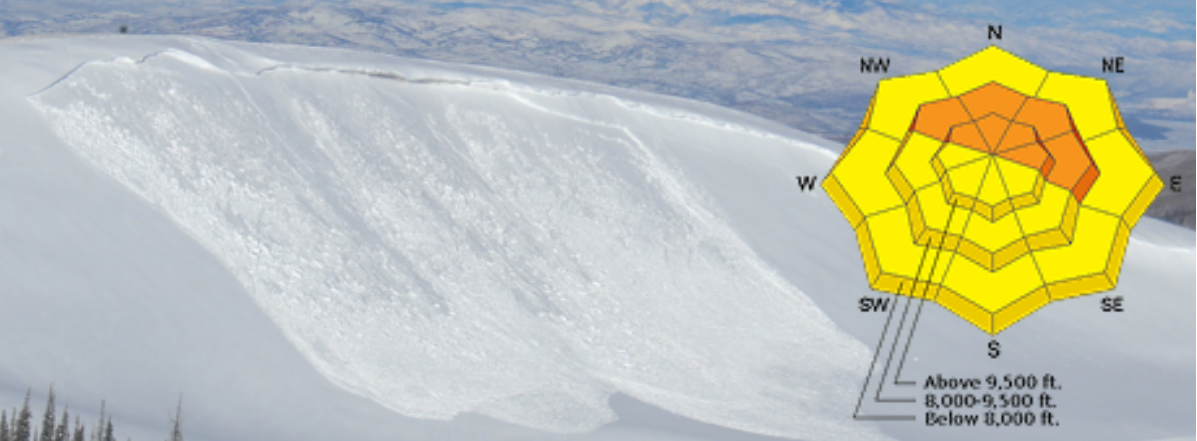
The snowpack is dwindling and human triggered avalanches are unlikely. Small avalanches are possible on isolated features or in areas of extreme terrain. Here are some potential problems to be aware of:

  • Dry loose avalanches involving weak surface snow on steep, shady slopes.
  • Isolated pockets of wind-drifted snow on leeward slopes above treeline.
  • Wet loose avalanches on sun exposed slopes as the day heats up.

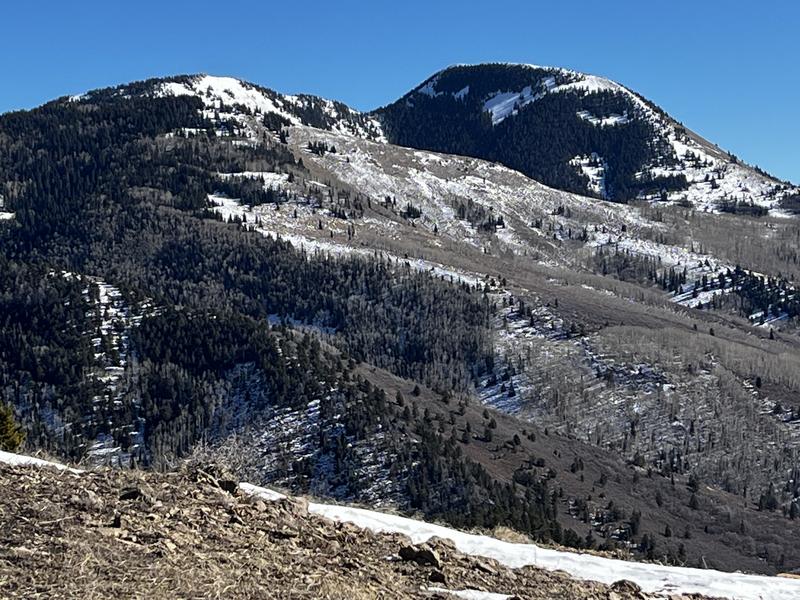
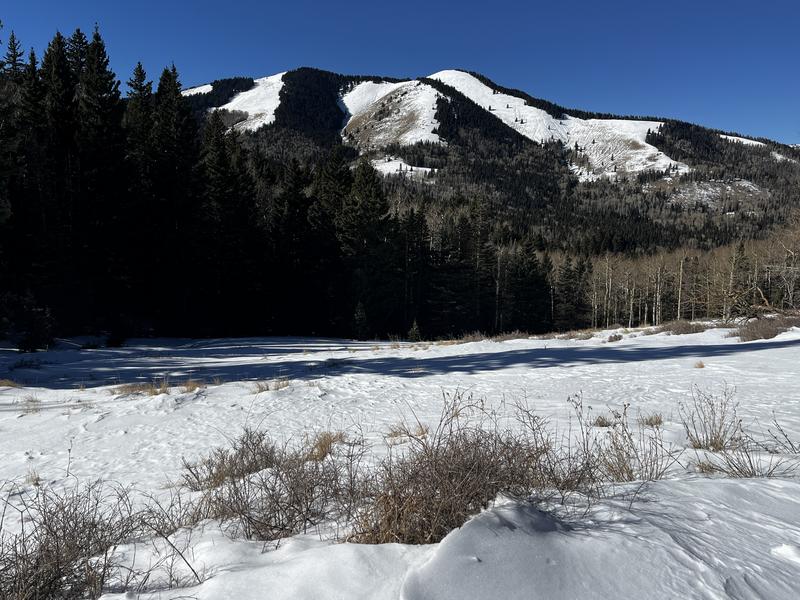
Snowcover is exceedingly thin and most southerly facing slopes are bare ground. On shady slopes, depths range from about a foot near the bottom of North Creek to up to 2 feet up high. Over snow travel remains difficult.

Low
Moderate
Considerable
High
Extreme
Learn how to read the forecast here
Special Announcements

SAVE THE DATES!

We are rescheduling our Moab Backcountry 101 Class to Feb 20, 21 in the hopes of more snow. Click here for information and registration. Moab and Monticello locals can use the discount code MOAB-LOCAL for a 10% discount.

Weather and Snow
NWS forecast for the Abajo Mountains.
Wind speed and direction on Abajo Peak.
Snow totals and temps at Buckboard Flat (8924')
Snow totals and temps at Camp Jackson (8858')
I took a trip up Johnson Creek on the south side on Thursday, Jan 15 and was able to make it to all the way up to 9700 feet on a side by side. South facing slopes are mostly dry with up to 18 inches on northerly facing slopes up high. The snow on shady slopes is weak and faceted. Isolated areas have stiff slabs of wind drifted snow on top.
Cory Noonan was up on Sunday and submitted a report of current conditions.
See all Abajo Observations here.
Thin conditions. The north face of South Mountain in the back ground has the kind of terrain where you are most likely to find avalanche problems.
Thin snowcover at 9700 feet.
Additional Information

It's never too early to start thinking about avalanches. Here are a few things to consider doing:

  • Learn online. We have over 5 hours of free online learning at the Know Before You Go website
  • Check out the upcoming in-person Know Before You Go events HERE
  • Sign up for an on-snow class
  • Check out the UAC's education progression HERE
  • Get your avalanche rescue gear ready for winter. Put fresh batteries in your transceiver and update the firmware. Inspect your shovel and probe. Get your airbag backpack ready by possibly doing a test deployment and updating the firmware if it is an electric version or getting your canister refilled if it's not electronic.
General Announcements
This forecast is from the U.S.D.A. Forest Service, which is solely responsible for its content. This forecast describes general avalanche conditions and local variations always occur.