The poor snowpack structure is still out there. We dug around in Hideaway Park, trying to find a spot just below 10,000 feet where the crust interface might be a bit thinner, similar to what we’ve been seeing in Hidden Canyon and around Sunset Peak. On a northeast aspect near 9,990 feet, we found a 100 cm snowpack with new snow and decomposing fragments sitting on about 60 cm of stacked crust interfaces and facets. The main rain crust itself was only 5 cm thick and pencil plus in hardness, with another 5 cm of mixed melt forms underneath it.
The crust was supportable and honestly a pain to saw through, still solid, but noticeably thinner than what I’ve seen in a lot of other places. The snow below the crust interface was dry and weak, especially near the ground. We didn’t get any results outside of the surface snow with either ECT or CT tests.
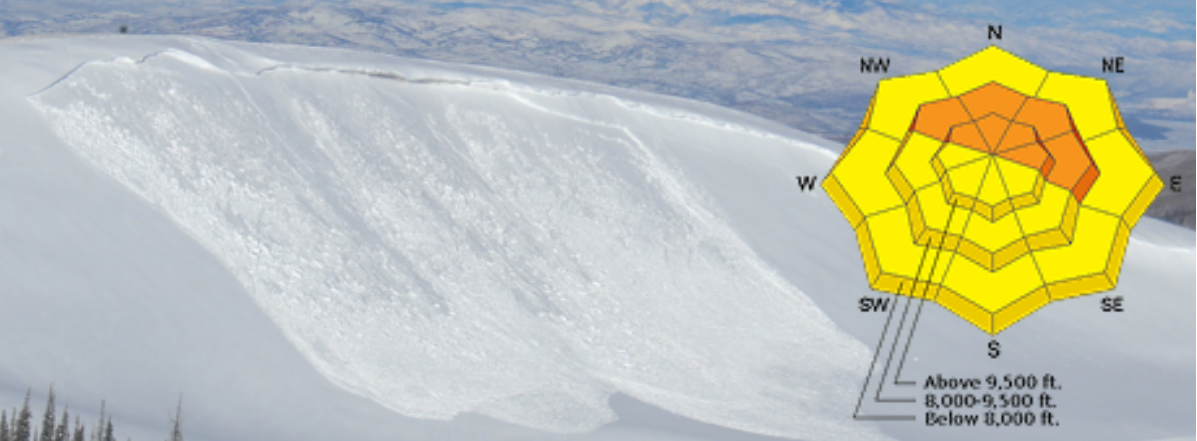
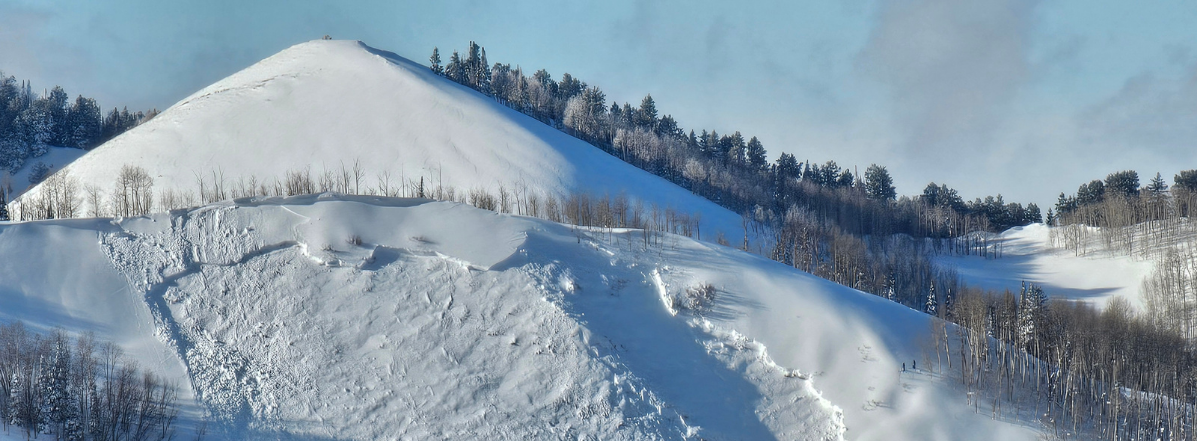
What does this say? Mostly that the variability slope to slope is huge. Even at similar elevations and on similar terrain features, this is rocky upper elevation terrain, and it’s been tough to pin down much of a pattern. My main concern though is that with additional load and colder temps, we may start seeing more avalanches either stepping down to this layer or failing on it directly.
Pit profile - Upper Hideaway - NE Aspect - 9907' - ECTX