Donate Now to Our Year End Campaign!

Observation: Guardsman Pass area

Observation Date
12/16/2025
Observer Name
Maushund
Region
Salt Lake » Big Cottonwood Canyon » Guardsman Pass area
Location Name or Route
Guardsman Pass/PC Ridgeline
Weather
Sky
Scattered
Wind Speed
Calm
Weather Comments
Yet another calm, bright, blue stunner of a spring December day in the Central Wasatch. I was in my sun hoody and opened the vents on my soft shells almost as soon as I left the truck...I'm running out of ways to say it was above freezing and unseasonably warm.
Snow Characteristics
Snow Surface Conditions
Faceted Loose
Melt-Freeze Crust
Snow Characteristics Comments

What was most notable to me was that I sought out feedback from the snowpack (cracking, collapsing) in my terrain selection similar to what another UAC Staffer found in the area 2 days prior (see their ob here) and encountered nothing similar. This to me speaks to the continued faceting of the "upper" pack (do we even have enough snow to call it that?) and the lack of a slab. This was supported by multiple test results lacking defining fracture characteristics (CTN), initiation (ECTX), and propagation (ECTN).

I found a mixed bag of surfaces, with a widespread melt-freeze crust (MFcr) from our warm up last week, varying from 2-11cm thick. The crust begins to be inconsistent at 9300' on northerly aspects, and I could not find it above 9500'. HS on these same, polar aspects ranged between 35-55cm. There was notable faceting underneath the MFcr above 9100'. Surface hoar and near surface facets could be found in pocketed, isolated areas in sheltered northerly terrain.

A big thanks to Mandy Geysler and Erika Roetman from Park City Snow Safety for letting me hop in their pit with them, compare results, and for sharing their observations and professional opinions of the snowpack.

Red Flags
Red Flags
Poor Snowpack Structure
Red Flags Comments
What we know: the weakest snow is near the ground, most of the snowpack is faceted or faceting, and surfaces are variable (melt-freeze crusts, facets, surface hoar). The weak structure is there, but we'll need a slab to cause concerning issues. The melt-freeze crust (if it does not get faceted away prior to our next significant loading event) has the potential to connect slopes. The avalanche danger is overall low, but there are pockets on high, northerly terrain where it is unlikely, but not impossible, to trigger an avalanche—especially where past wind loading has created a slab over the weak snowpack.
Comments

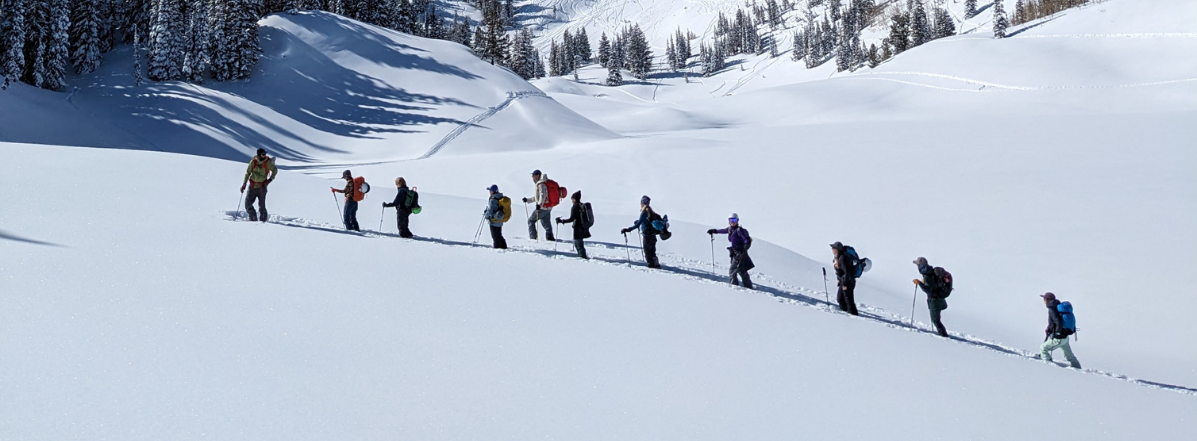
Park City Snow Safety in Scott's Bowl. We dug side by side and had varying results from CTN, CTH (BRK), ECTX, and ECTN.
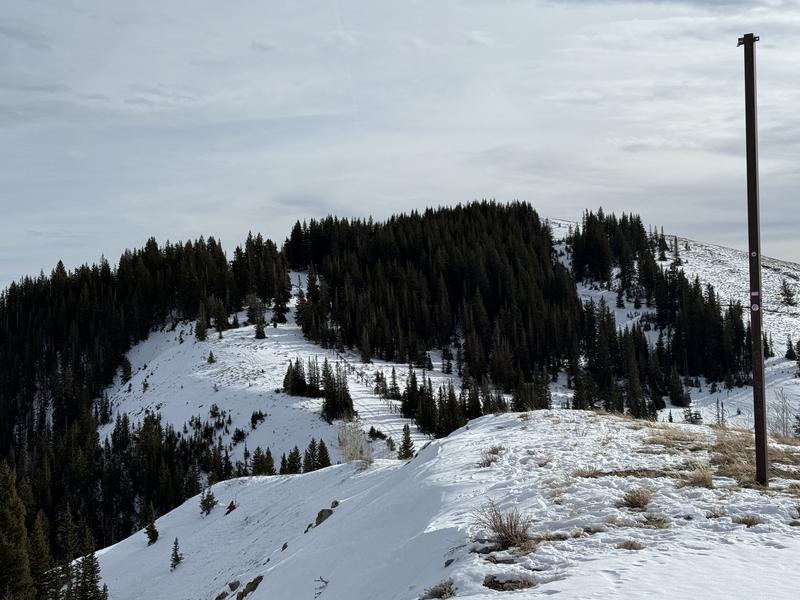
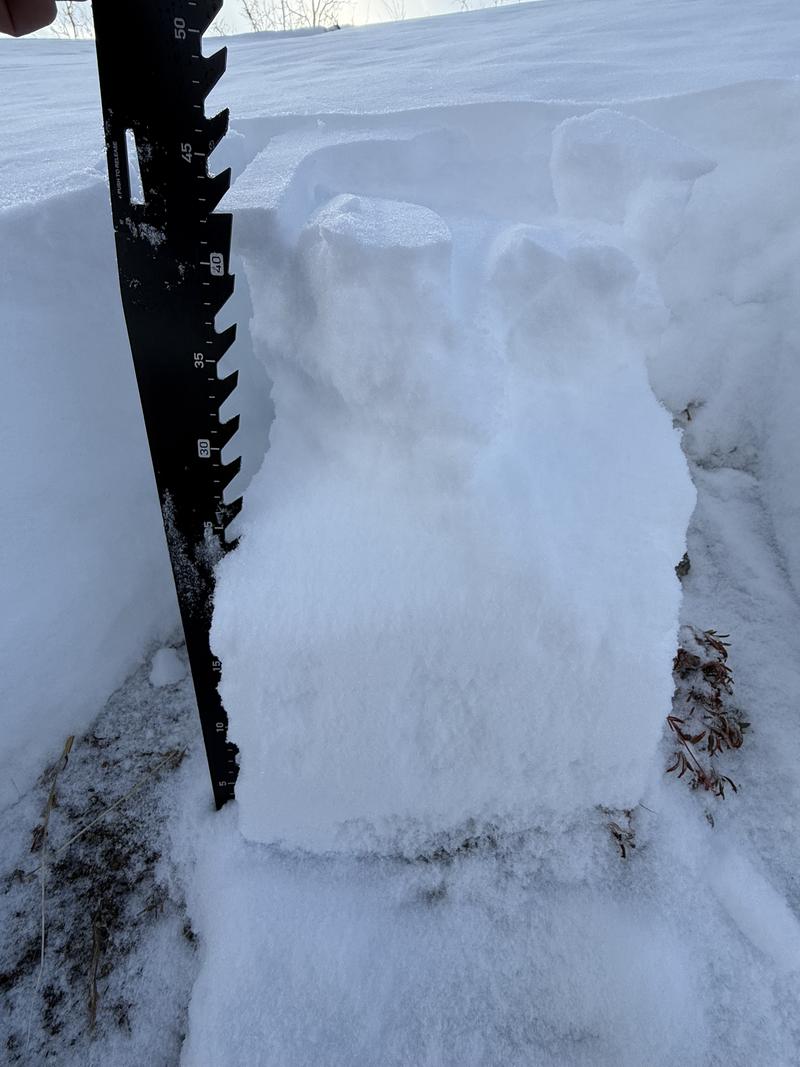
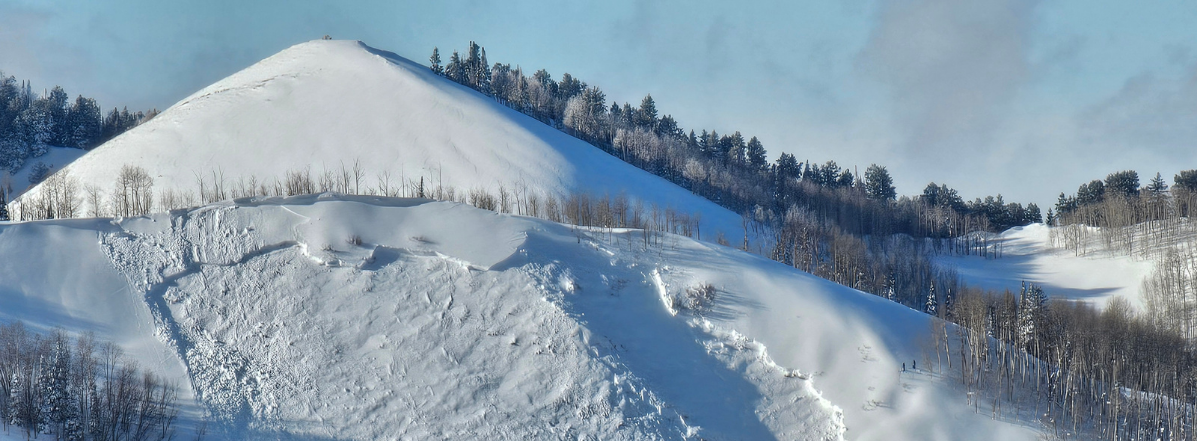
Looking toward Scott Hill.
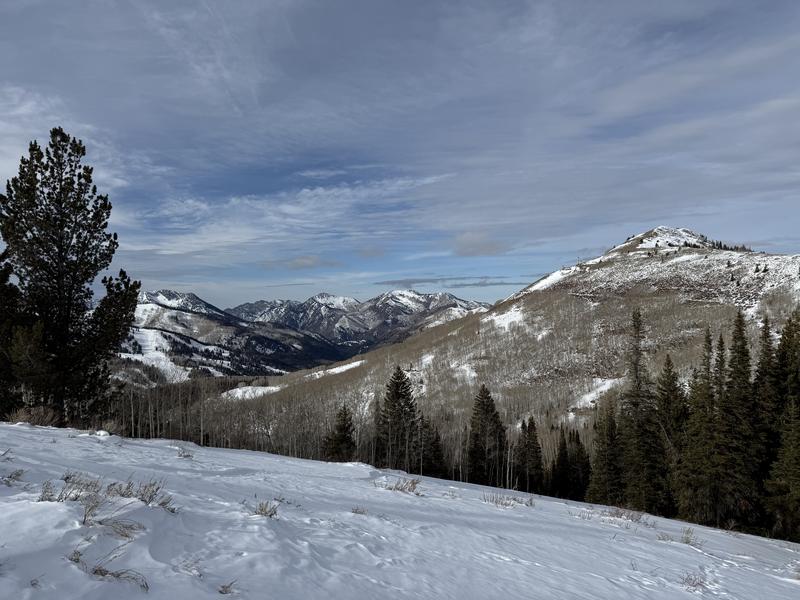
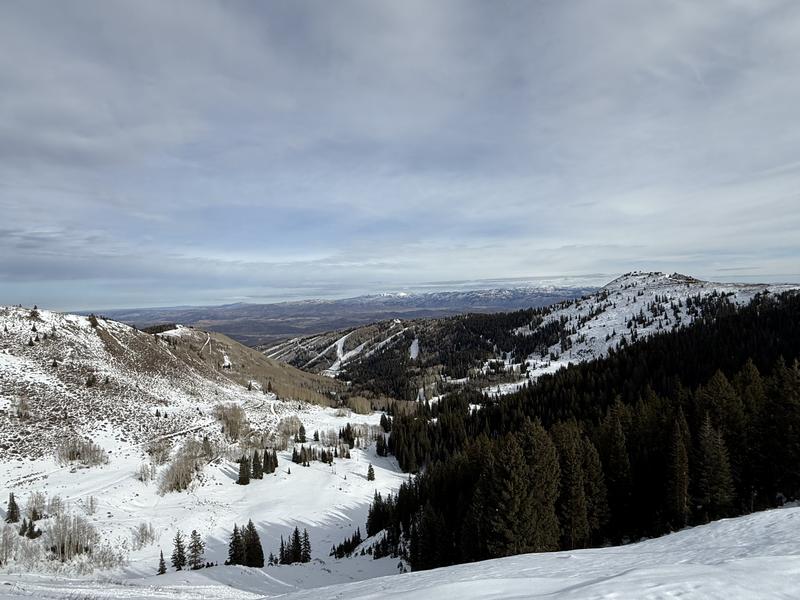
Coverage toward Park City side of the ridge near Scott's Bowl.
Today's Observed Danger Rating
Low
Tomorrows Estimated Danger Rating
Low
Coordinates