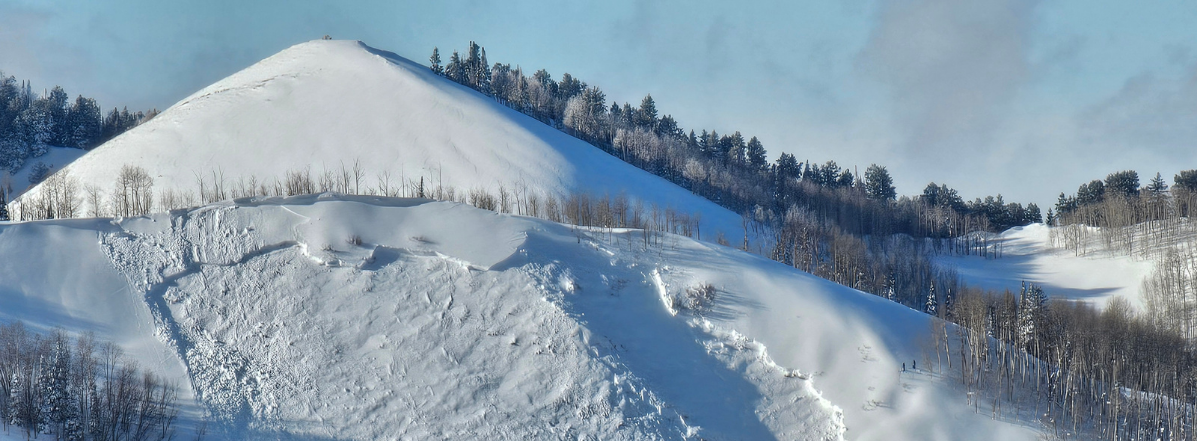
Check Out Our Holiday Auction!

Observation: Guardsman Pass area

Observation Date
12/14/2025
Observer Name
UAC Staff
Region
Salt Lake » Big Cottonwood Canyon » Guardsman Pass area
Location Name or Route
Guardsman Road / PC Ridgeline
Weather
Sky
Scattered
Wind Direction
West
Wind Speed
Moderate
Weather Comments
Moderate gusts from the W/SW along the PC ridgeline. With now dry snow available for transport, no drifting.
Snow Characteristics
Snow Surface Conditions
Wind Crust
Melt-Freeze Crust
Damp
Snow Characteristics Comments

Whew. Snowpack depths above 9,000 feet range from 30-45 cms, with a melt/freeze crust on the shady aspects up to about 9,500 feet. Despite the thin snowpack, travel on snow (where it exists) is supportable.

Red Flags
Red Flags
Cracking
Collapsing
Poor Snowpack Structure
Red Flags Comments
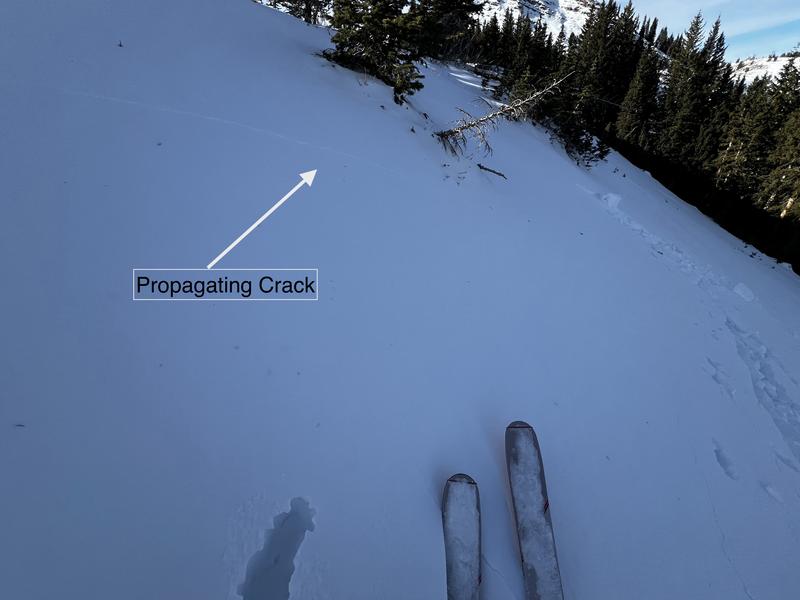
I was able to get three separate collapses with propagating cracks on a north-facing slope at 9,800 feet adjacent to Scott's Bowl.
Avalanche Problem #1
Problem
Persistent Weak Layer
Trend
Same
Problem #1 Comments

In thinner (that's a relative term these days) snowpack areas (~30 cms), the entire snowpack is turning to facets, capped by a melt-freeze crust. Where the snowpack is deeper (~45 cms) - again, a relative term, but due to wind-loading earlier this week - the entire snowpack is less faceted.

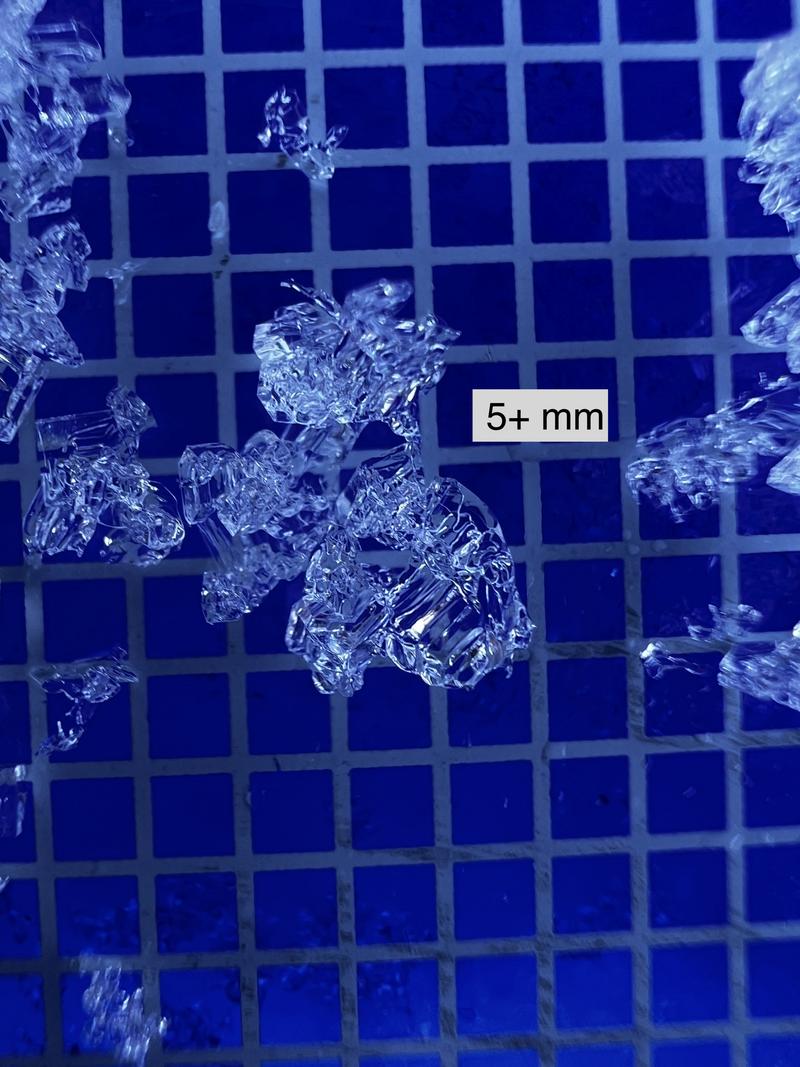
Regardless of the depth of the snowpack, the weakest snow is down near the ground and is the 5-15 cm layer of snow that fell in October and early November. This is now a 5-7 mm layer of facets and well-developed depth hoar.

Extended column tests:

1. NW aspect 9,300 feet HS 35 cms. ECTP21 down 30 cms

2. N aspect 9,800 feet HS 50 cms. ECTP 22 down 45 cms

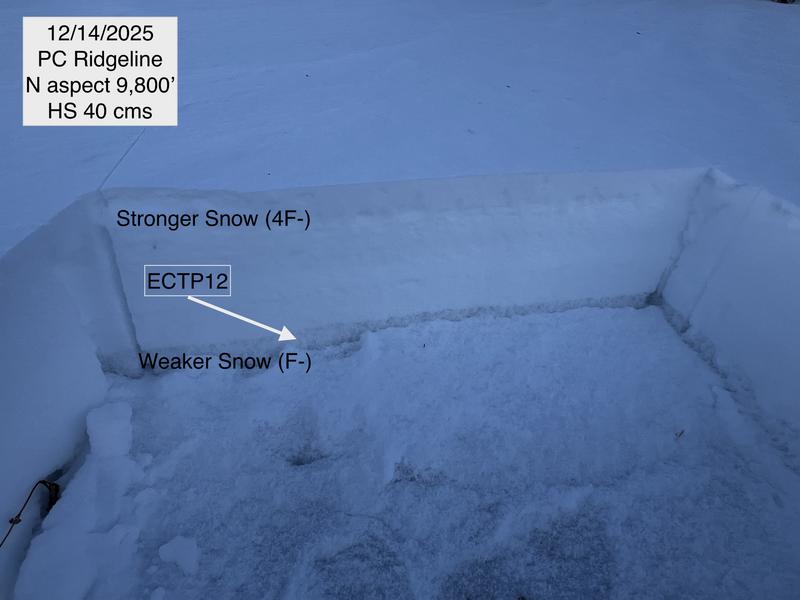
3. N aspect 9,800 feet HS 40 cms. ECTP12 down 35 cms

All failures occurring in facets and depth hoar down near the ground.

Comments

Overall, I was surprised with the reactivity of the snowpack on northerly aspects, with some collapsing, cracking, and full propagation with extended column tests. All it takes is for the slab on top of the faceted snow to have a little density. The facets/depth hoar are very weak (F- hard) and the slab on top only needs to be a little stronger (4F- hard) to get the fracture to propagate across the slab.

With, hopefully, some active weather returning by mid-week, I am thinking the weak snow down near the ground and a denser slab on top may mean for more connectivity with avalanches running more widely.
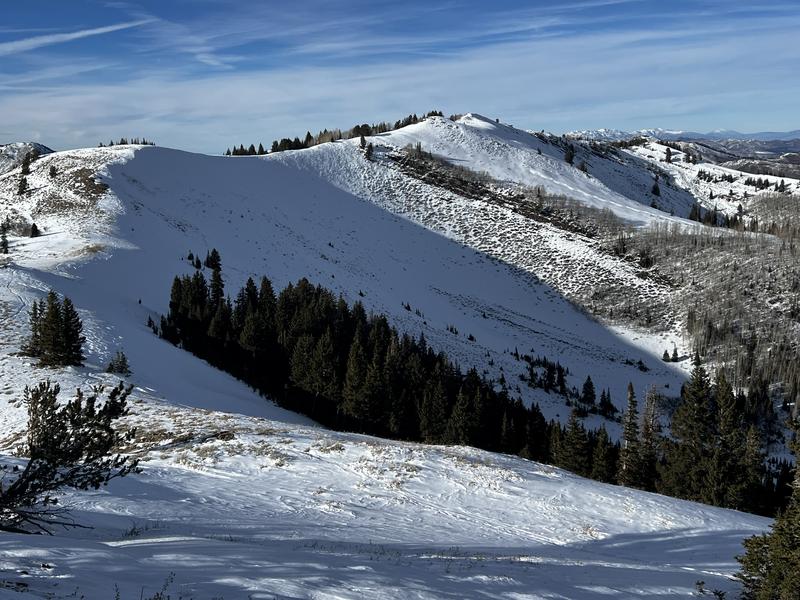
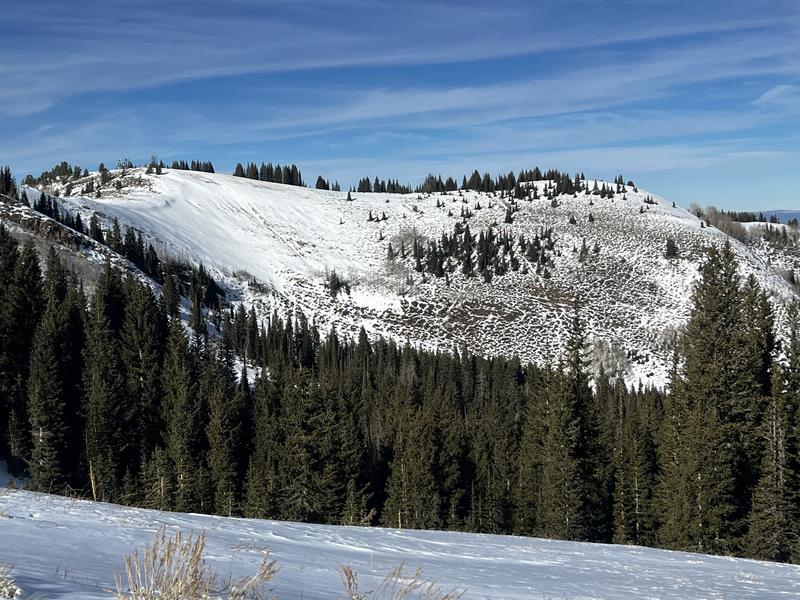
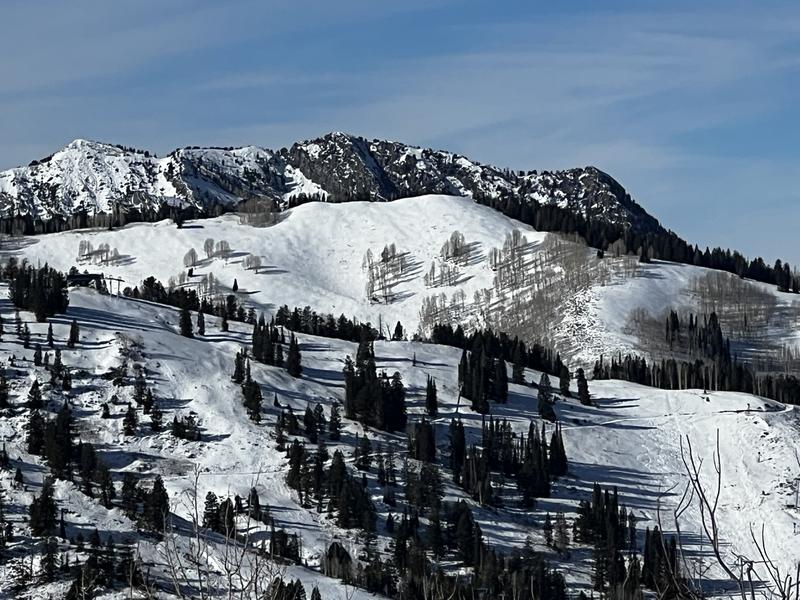
A few photos of adjacent terrain showing where snow does and does not exist

1. South-facing USA Bowl

2. South Monitor Bowl

3. Radar Love Bowl

4. Meadow Chutes
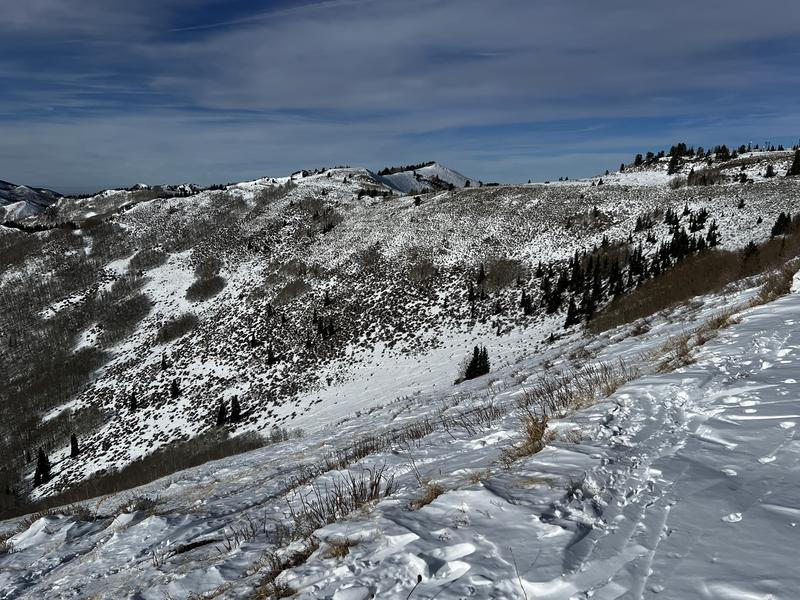
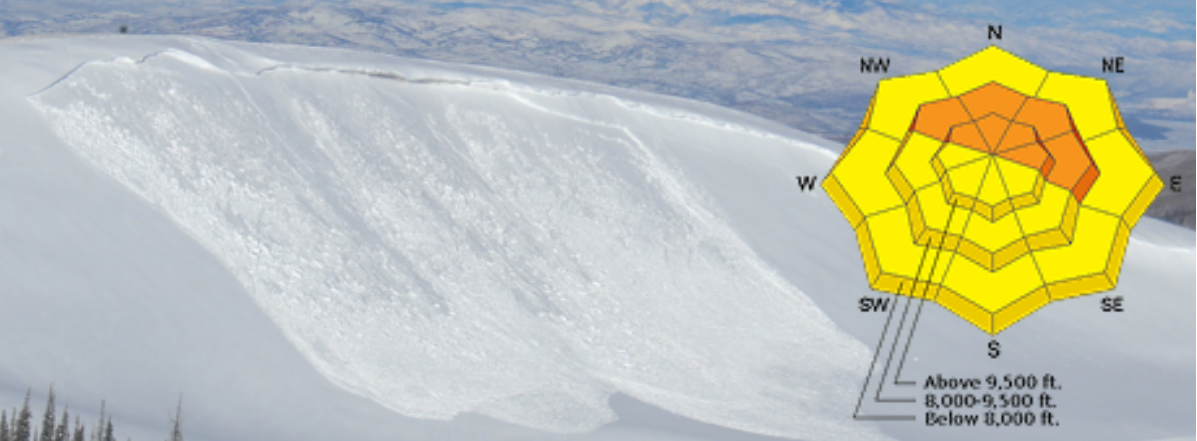
Overall, the danger is generally Low, with isolated areas on northerly aspects holding a Moderate danger where it is possible to trigger an avalanche failing on faceted snow. The most likely terrain is above 9,000 feet and on a slope that has had some wind-loading.
Today's Observed Danger Rating
Moderate
Tomorrows Estimated Danger Rating
Moderate
Coordinates