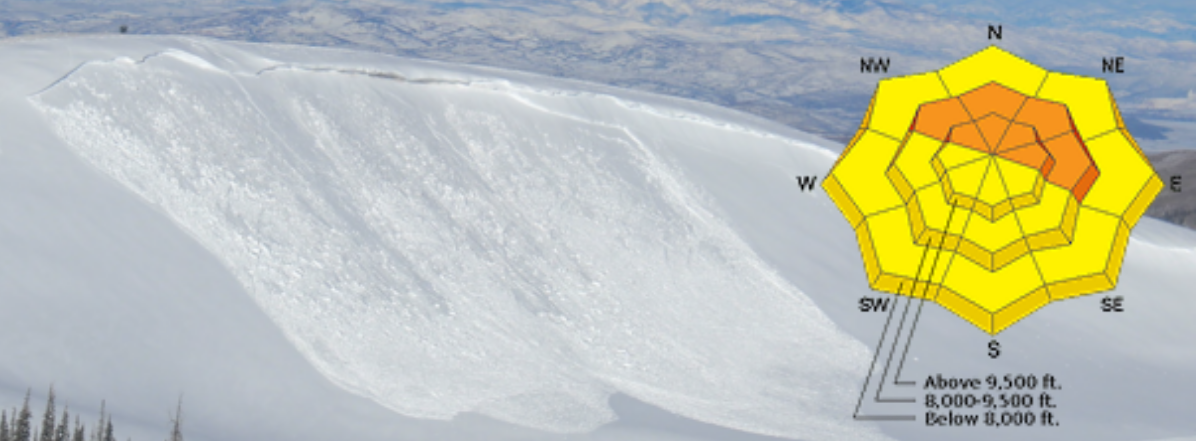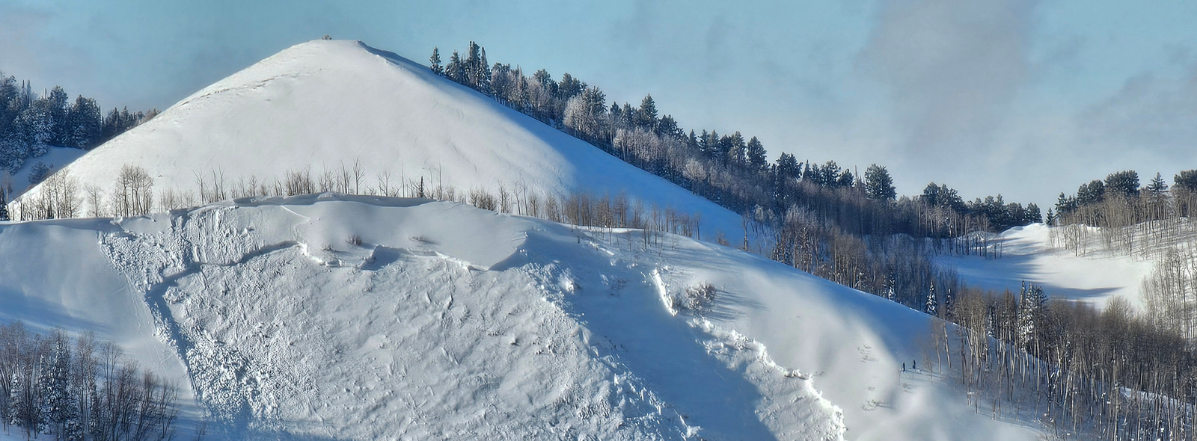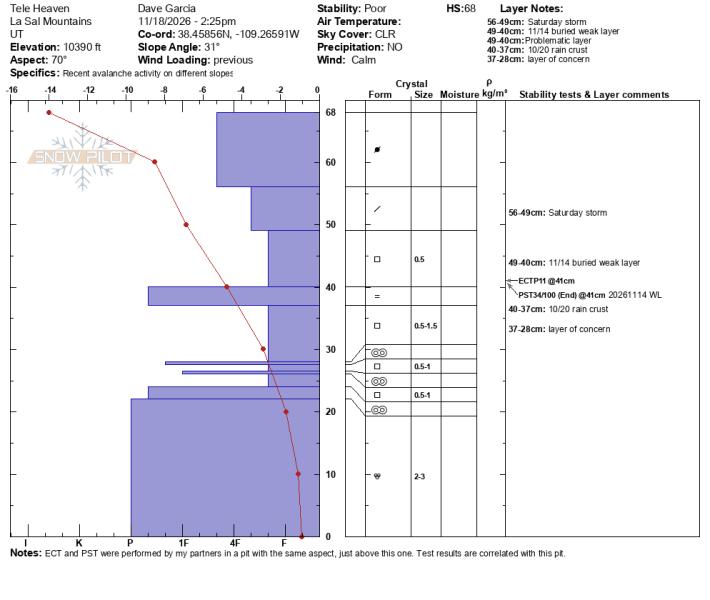
Our buried weak layer has officially become a persistent weak layer (PWL) problem. Although today's avalanches were triggered by wind-drifted snow, the resulting slabs were deposited over buried facets. The wide propagation observed is more characteristic of a persistent weak layer problem than a typical wind slab problem.
Many slopes near and above treeline, particularly those facing NW through E, now have thick, cohesive slabs sitting on top of a faceted weak layer. This weak layer rests on a pencil- to knife-hard crust, depending on elevation. This is a concerning snowpack structure that will remain on my radar for some time.
We've been enjoying a great early season, but if you've been skiing steep terrain, now is the time to dial it back and exercise greater caution.
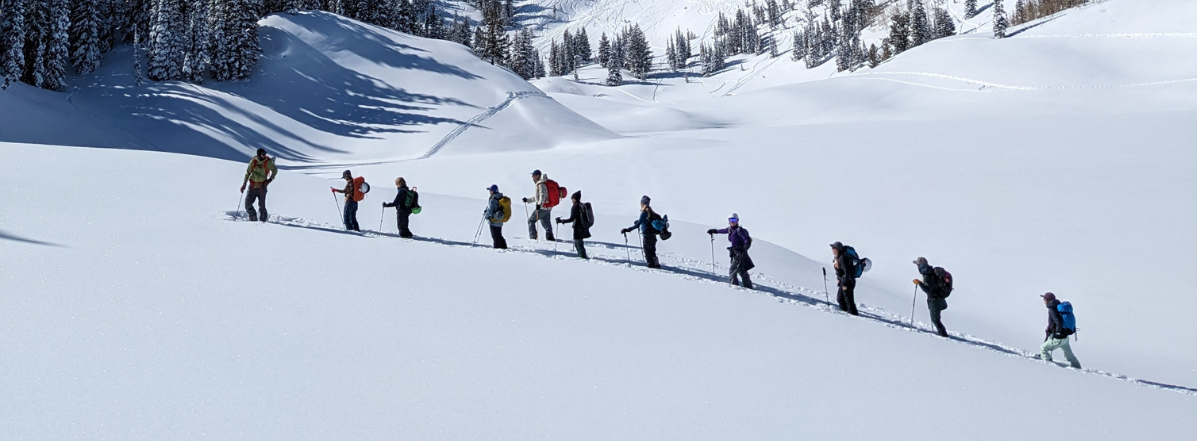
I had the pleasure of touring with snow professionals Karin Pocock and Max Lurie today. They dug a pit just above mine, where their stability tests produced an ECTP11, with failure occurring in the facets above the crust. They also produced a PST 34/100 End on the same weak layer (20261114).
Both the propagating ECT result and the PST result indicate that fracture propagation is likely once a failure is initiated. In other words, this is a reactive weak layer where the additional load from a skier may be enough to initiate a failure, potentially resulting in a much larger avalanche.