Observation: Cardiff Fork

Observation Date
2/16/2026
Observer Name
Champion, Collett
Region
Salt Lake » Big Cottonwood Canyon » Cardiff Fork
Location Name or Route
Cardiff Pass - Powerline
Weather
Sky
Scattered
Wind Direction
Southwest
Wind Speed
Strong
Weather Comments
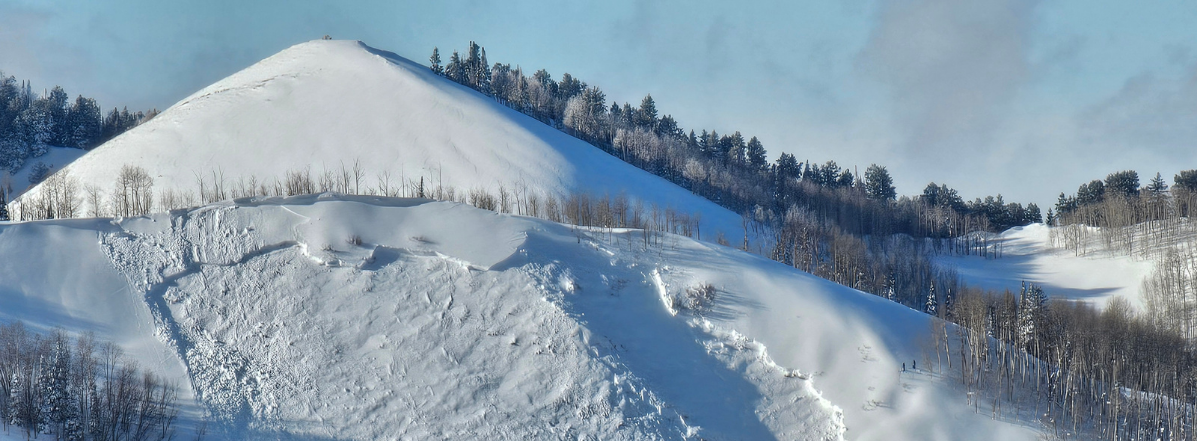
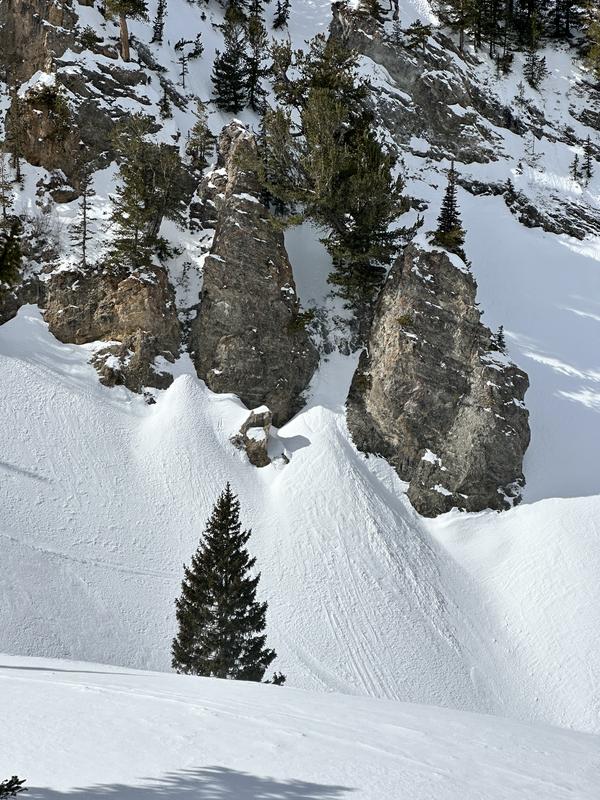
Skies were generally scattered with high clouds and periods of sun poking through. Winds were strong, especially traveling up to Cardiff Pass, with gusts powerful enough to move small rocks around. Signs of drifting snow and active transport were very apparent along almost all ridgelines. There was so much spindrift at times that it even triggered a small point release.
Snow Characteristics
Snow Surface Conditions
Powder
Wind Crust
Snow Characteristics Comments

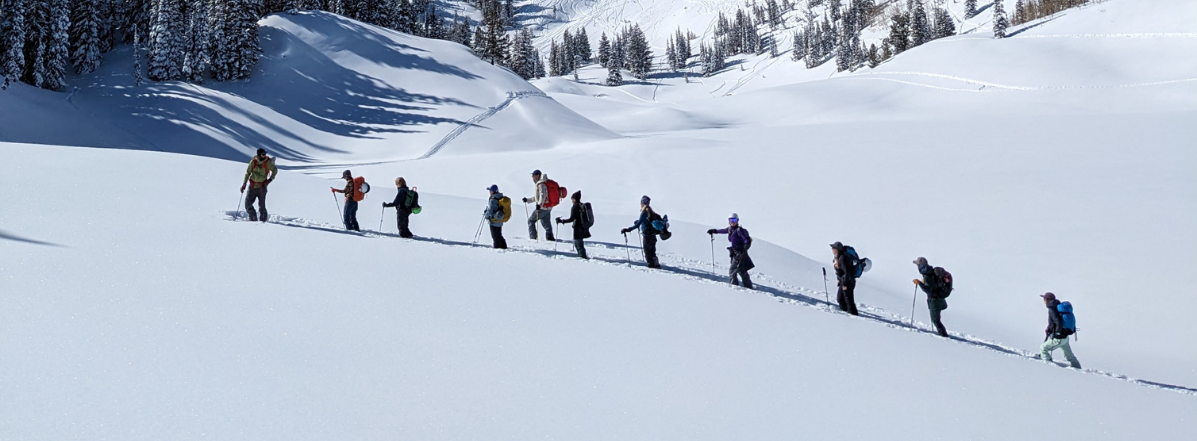
Almost every aspect that had been exposed to the wind in some capacity had texture, either general coral reef wind texture or raised old tracks. In the limited protected terrain, the snow was still soft, but today it’s a game of both aspect and wind. Areas impacted by the wind ranged from light surface texture to an overall punchy surface. I would guess that in the highest wind zones, the surface is already supportable and becoming more stout throughout the day. That could lead to more issues down the line, as the wind slab continues to stiffen and eventually gets covered by new snow.

General wind texture dropping into Cardiff Fork

Old raised tracks and spindrift on the surface

Avalanche Problem #1
Problem
Persistent Weak Layer
Problem #1 Comments

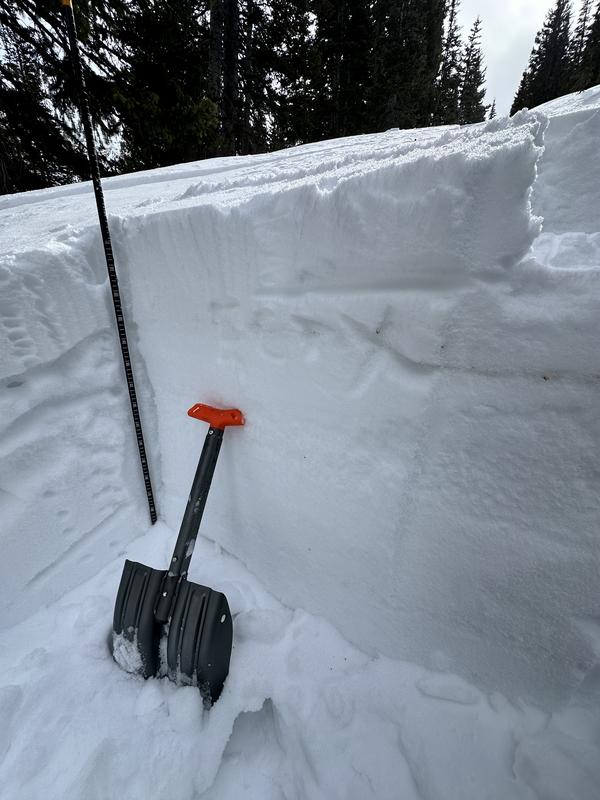
While the key player today was the wind, the bigger question is the persistent weak layer and what will happen once we add a load. We dug a pit along Powerline near 9400 feet on a north-northeast aspect. Total snow depth was about 120 cm, with a stout CERC crust at the ground. We found the new snow sitting atop a slightly firmer, 1F, 10 cm layer of facets and rounding facets, above much weaker fist hard facets. This was in a generally protected terrain feature and lines up with what other observers have been seeing in upper Little Cottonwood and parts of upper Big Cottonwood. It is very different from what folks are finding along the Park City ridgeline, where in some upper elevation terrain features the 1F layer does not exist.

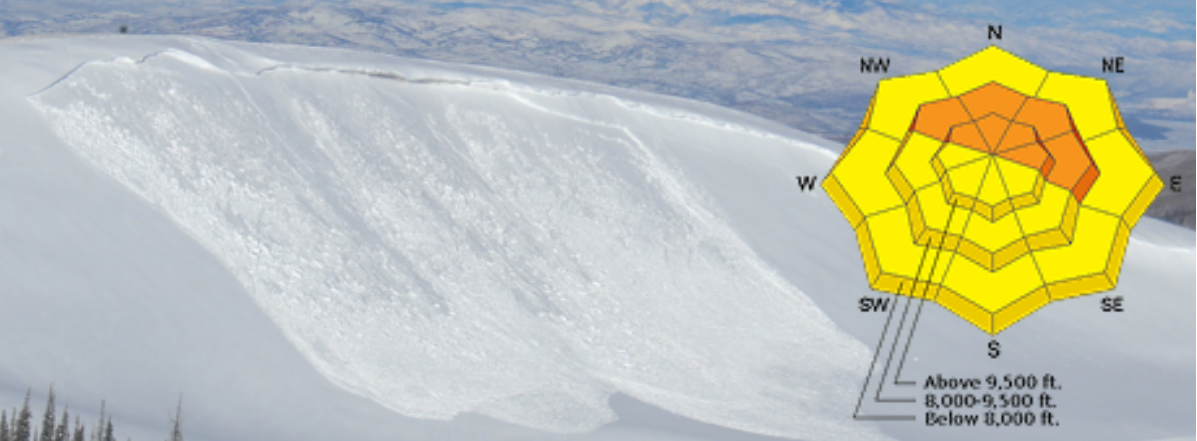
Moving into the next loading event, I think everything above 9500 feet on north and northeast-facing aspects is weak and generally predictable. The bigger question is where this 1F layer exists, which mostly feels like it is below 9500 feet, though even there it is spatially variable. We were unable to get any results on the facets where we dug. The key takeaway heading into this next storm is that we have a weak snow structure with a lot of uncertainty in its overall spatial variability.

Hand hardness - NE Aspect - 9450' - Powerline
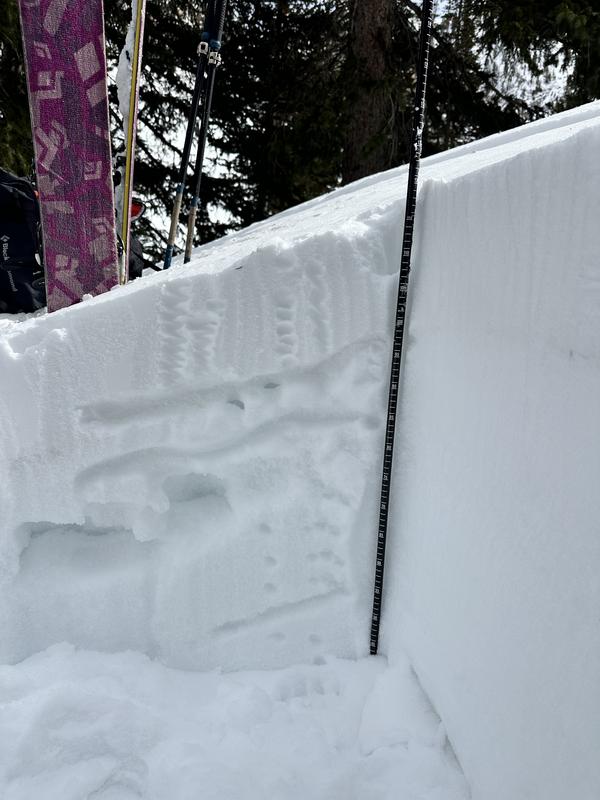
ECTX - Powerline - NE Aspect - 9450'
Small point release triggered by spindrift
Today's Observed Danger Rating
Moderate
Tomorrows Estimated Danger Rating
Considerable
Coordinates