The primary goal of fieldwork today was to get a sense of storm timing, the rain line, and how the snowpack structure differed between similar elevation bands and aspects in Upper Little Cottonwood and Upper Big Cottonwood.
Overall, the upper portion of the snowpack on polar aspects remains status quo. The entire upper 60 cm is faceted, ranging from fist hard to 4F to 1F. The main variability was in the bottom 40 cm of the snowpack, where melt freeze and rain crust interfaces were weakening, but overall remained fairly stout and almost damp. An ECT produced no results, though I was able to shear the snow cleanly off the supportable crust.
This crust, located about 40 cm above the ground, was much more intact than what I observed yesterday in Upper Little Cottonwood. It could act as a solid, well connected bed surface, keeping failures well above the ground texture.
Southerly aspects remain punchy once you step off your skis.
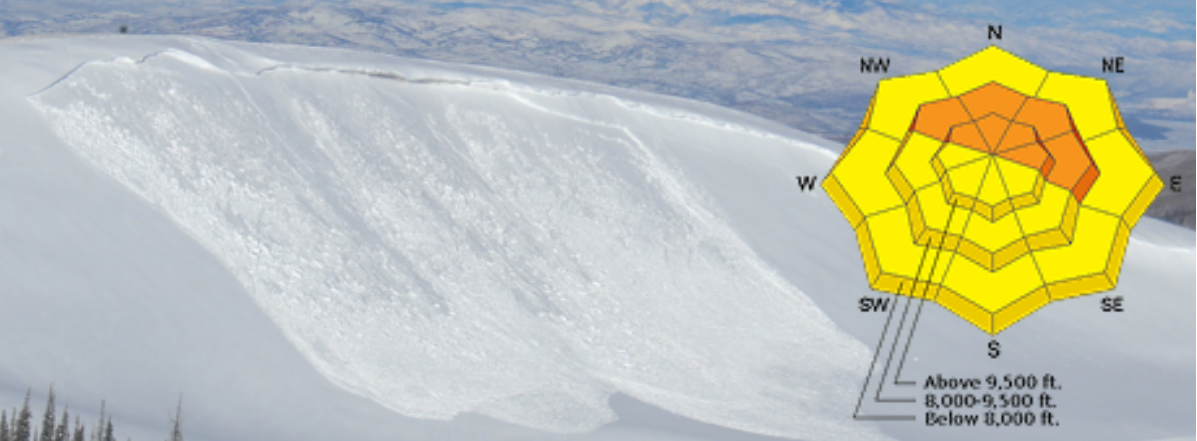
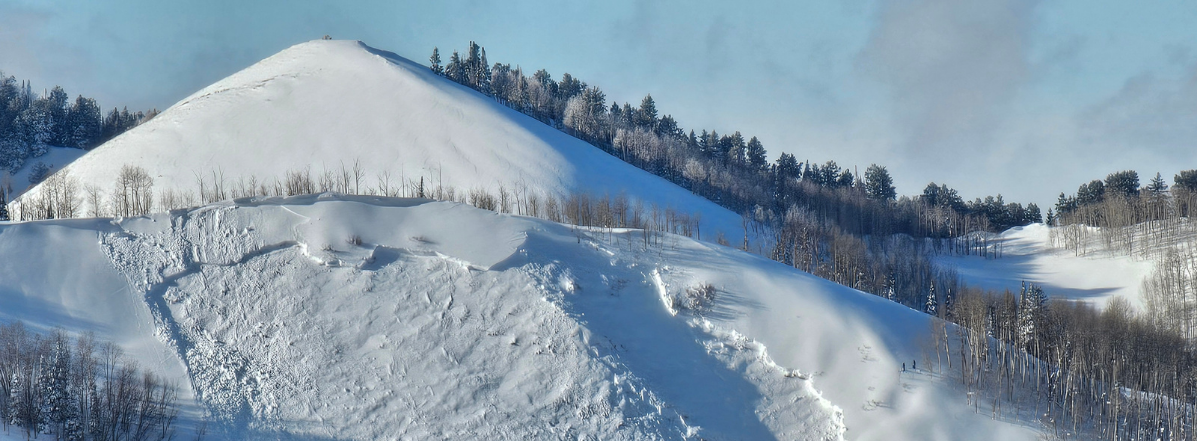
Avalanche danger is expected to rise. The first areas of concern will be the upper and mid-elevation polar aspects, but as loading increases, the persistent weak layer problem will become more widespread, and avalanche potential will increase and spread.
The weakening wind texture on the snow surface

A small amount of new accumulated precipitation - NE Aspect - 9800'

Pit Profile - Outside Brighton near Hidden Canyon - NE - 9600'

Obvious crust interface within the snowpack, more visible than recent snowpits

Supportable crust interface 40cm above the ground - NE - 9600'