Observation: Deseret Peak

Observation Date
1/29/2026
Observer Name
Champion, Antenucci, Jenson
Region
Salt Lake » Stansbury Range » Deseret Peak
Location Name or Route
Deseret Peak
Weather
Sky
Clear
Wind Direction
Northwest
Wind Speed
Light
Weather Comments
Drove through heavy fog to get up above the clouds. The fog stayed settled in the valley for most of the tour. Skies were clear, temperatures were cool but comfortable, and overall winds were light, with only a little drifting noted off the ridgelines.
Snow Characteristics
Snow Surface Conditions
Dense Loose
Faceted Loose
Wind Crust
Melt-Freeze Crust
Damp
Snow Characteristics Comments

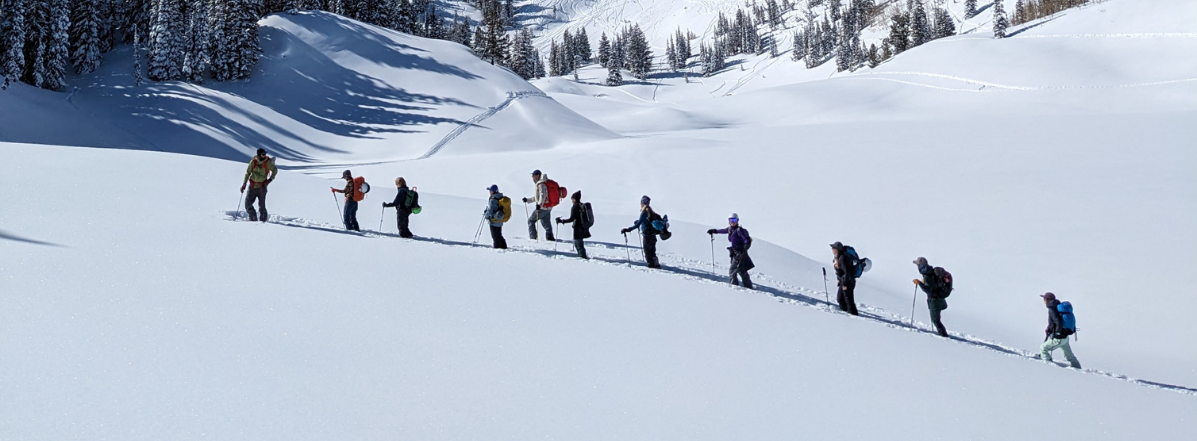
Overall, snow coverage in the Stansbury Range was low, with a generally shallow snowpack and maximum depths around 40–60 cm in drifted areas. The snow surface was a mixed bag. Much of the surface had faceted, but in many areas there was a breakable crust—either melt freeze crusts with thin facets on top, or breakable wind crusts. In the wind zone, the snow surface was wind-hammered and very smooth.

Down low, the snow was very shallow, with many exposed rocks, stumps, and downed trees. The snow surface was damp in places, and we opted to walk through many parts of the exit.

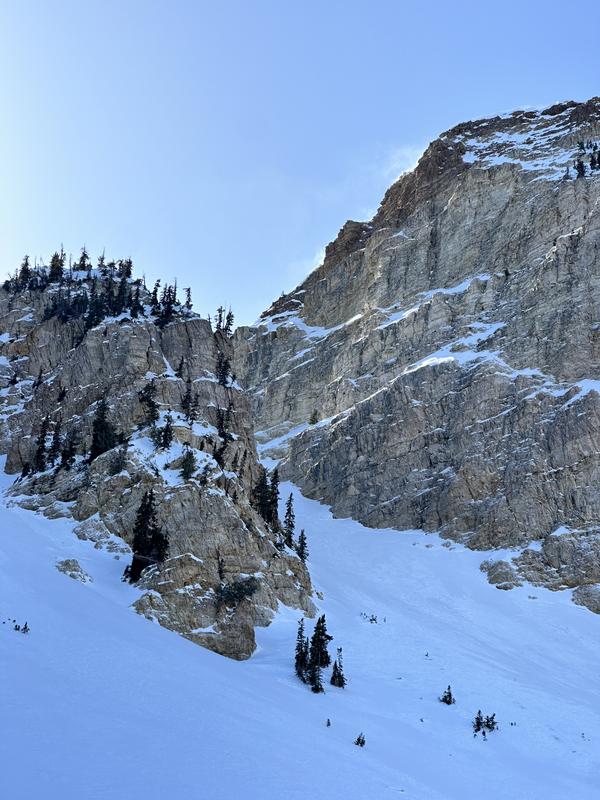
General coverage and snow surface photos

Comments

Basically wanted to wander around outside the central Wasatch and see what some of the fringe zones had going on. Key takeaways from Deseret Peak: the gates are closed, so be prepared for approximately two additional miles of dirt before hitting consistent snow. Beyond that, it’s about a mile of skinnable snow before the loop campground. Down low, travel is challenging, with lots of downed trees. Once you exit the primary hiking trail and enter the basin, travel becomes significantly more straightforward.

The snowpack is overall shallow and completely faceted, either with facets at the surface or facets capped by a wind crust or a melt freeze crust. Not an issue currently, but like most of the range, will become an issue long-term.

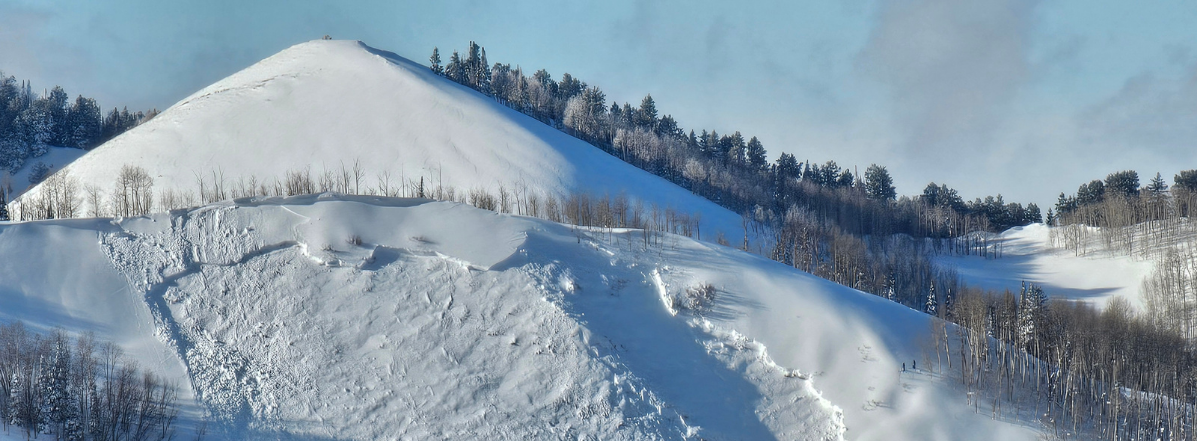
Large terrain features have taken on a lot of wind and are a mixed bag, ranging from supportable, smooth wind surfaces that were challenging to get an edge in, to more textured wind skin that was slightly breakable. As we climbed, less and less of the snow surface was soft and faceted. With more time and less wind, I’d expect the surface facets to develop further and the snow to soften.

Overall, high pressure is a great time to check out different zones.

A small amount of wind drifting along ridgelines.
Video
Today's Observed Danger Rating
Low
Tomorrows Estimated Danger Rating
Low
Coordinates