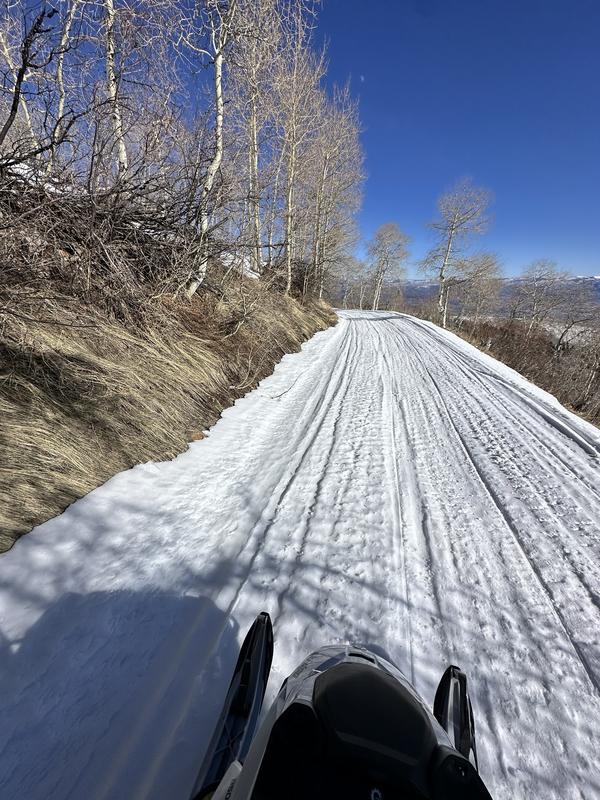
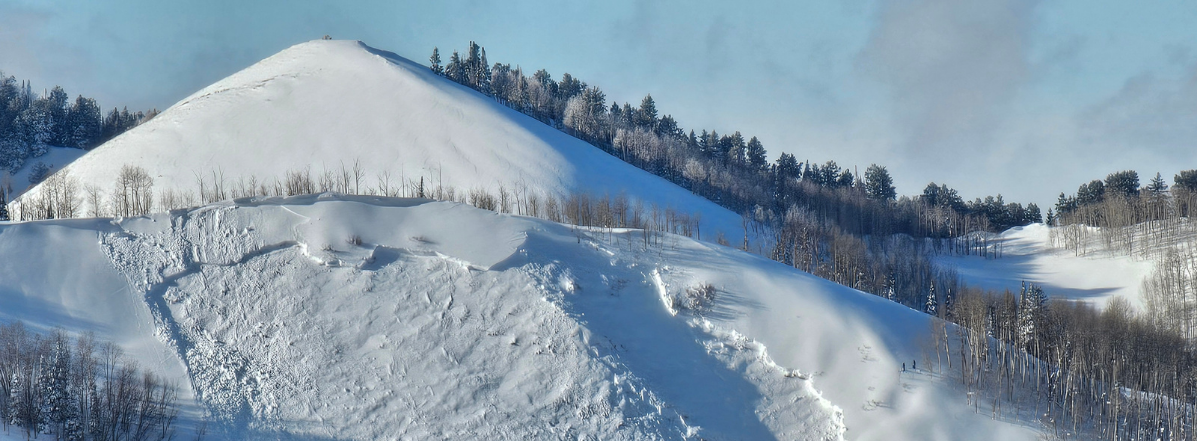
Checked out the Wasatch back. Travel conditions for sleds are rapidly degrading. The road has large patches of dirt, and keeping the sleds cool is challenging.
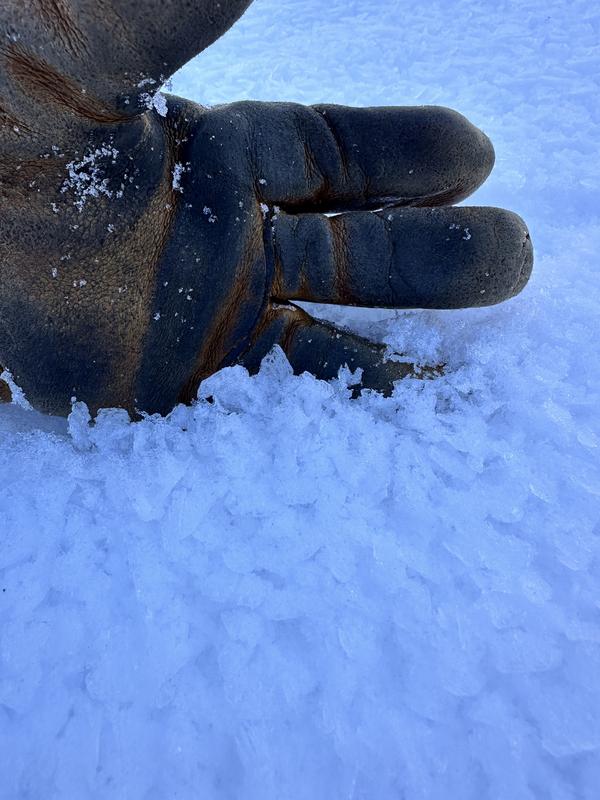
As for snow surfaces, it’s a similar story to the rest of the range. In protected low valley terrain, surface hoar is growing, though it doesn’t seem as widespread as in many other places I’ve traveled across the Wasatch recently.
On solar aspects, the snow surface is either supportable or crusty, with facets below.
On anything with a slight polar tilt, the surface is near surface facets.
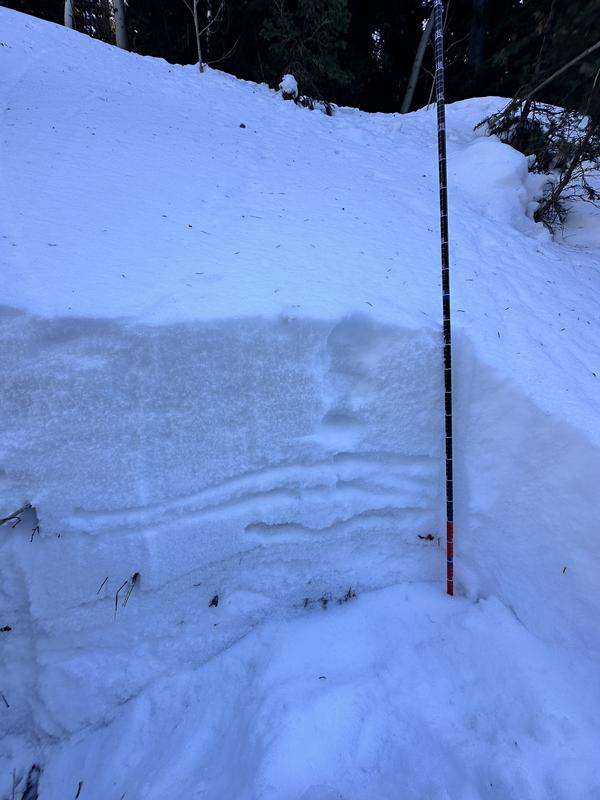
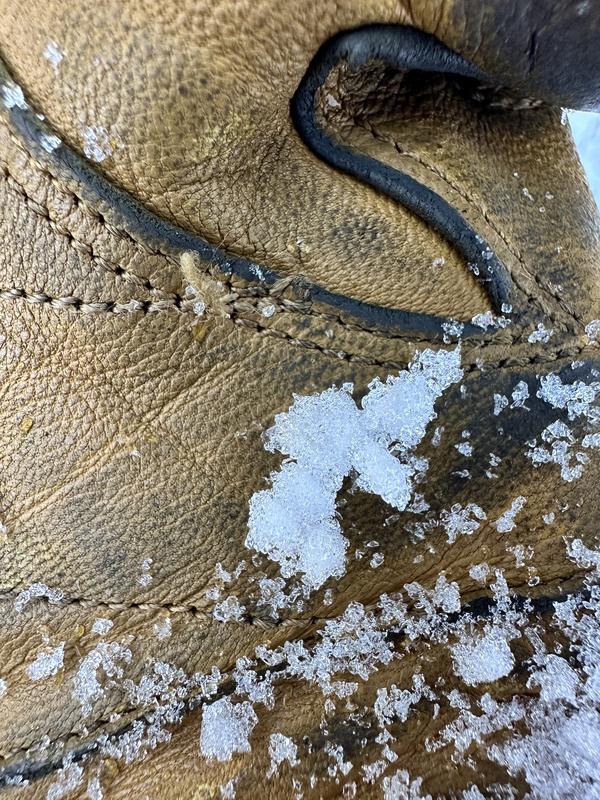
We dug on a northwest facing aspect at 8,683 feet near Pole Line Pass. The snowpack was 105 cm deep and completely faceted. The most interesting layer we found was 80–90 cm below the surface, where there were large faceted grains along with preserved graupel. The graupel appears to be acting as a catalyst for facet chaining. The graupel cores were still intact, but the edges were sharp and, in places, showed striations and evidence of chaining. Below that, nearly every other layer consisted of solid facets or deteriorating melt freeze crusts turning to facets. Not an issue currently, but likely to be a problem in the long run.
Surface hoar - 8000'
Pole Line Pass - Pit profile - NW Aspect - 8600' - fully faceted snowpack
Chaining faceted graupel
Sparse coverage on solars