Observation: Geyser Pass

Observation Date
1/23/2026
Observer Name
Trenbeath
Region
Moab » Geyser Pass
Location Name or Route
Geyser Bowl
Weather
Sky
Overcast
Precipitation
Light Snowfall
Wind Direction
Southwest
Wind Speed
Light
Weather Comments
Off and on light to moderate snowfall (S2) with 3-4" accumulation between 11:00 AM and 4:00 PM. Light winds down low, moderate to strong speeds recorded along upper elevation ridge tops.
Snow Characteristics
New Snow Depth
4"
New Snow Density
Low
Snow Surface Conditions
Powder
Snow Characteristics Comments

3" of new, low density snow at Gold Basin (10,000') with up to 6" at 10,800' as of 3:00 PM. The new snow is falling on a variety of surfaces ranging from very weak facets in shady, sheltered areas to bulletproof hard slabs in the alpine, and everything else in between.

Red Flags
Red Flags
Poor Snowpack Structure
Red Flags Comments
I went out today to have a look at the snowpack on a sheltered northeasterly aspect at the bottom end of our "near tree line" band. With the exception of a thin melt/freeze crust, and the Christmas Rain Crust (CRC), the entire snowpack was faceted through. In this location 6" of new snow sat directly on top of a faceted layer 4" thick. The thin melt/freeze crust was underneath. Poor snowpack structure has been well documented elsewhere, particularly on northerly aspects near and above tree line where old, hard slabs of wind drifted snow sit on top of the weak, underlying, faceted snowpack.
Avalanche Problem #1
Problem
New Snow
Trend
Increasing Danger
Problem #1 Comments

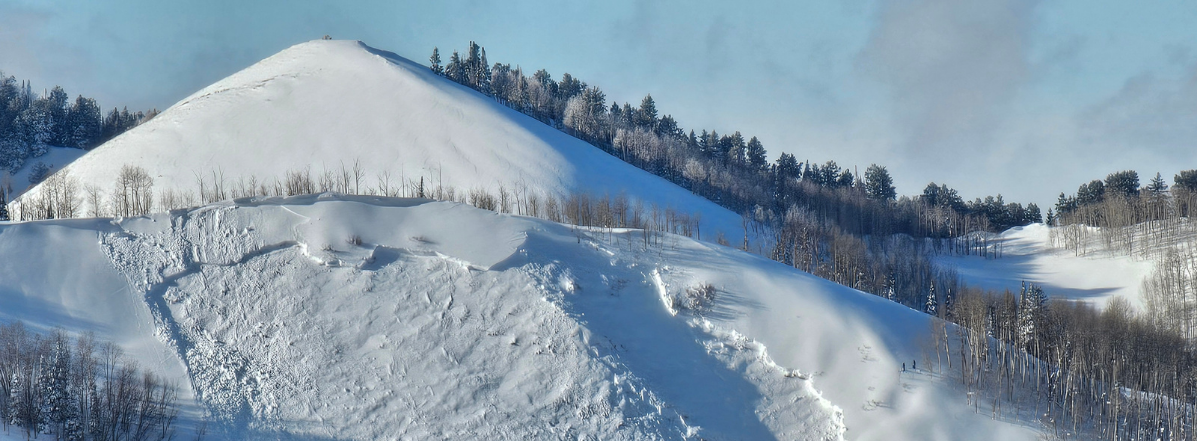
New snow, driven by wind, will land on a variety of surfaces from slick and hard, to weak and faceted. In most cases the new snow will not bond well to any of them but the danger will depend on how much snow we get. We could see everything from shallow, loose snow natural avalanches on steep alpine slopes with underlying, slick hard surfaces, to human triggered soft slab avalanches where the new snow has been thickened or deposited by wind. Human triggered, loose snow avalanches could even gouge into weak, faceted snow on slopes similar to where I dug today. By and large though, we'll need about 8" or more of new snow for it to become a real problem.
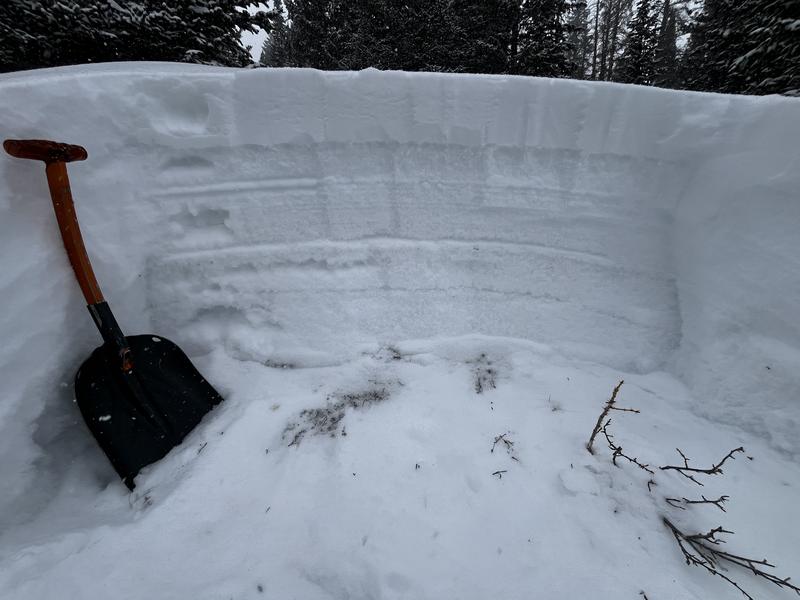
6" of recent snow sits on top of a faceted layer with a thin melt/freeze crust underneath. The rest of the snowpack is faceted with the exception of CRC.


Avalanche Problem #2
Problem
Persistent Weak Layer
Trend
Same
Problem #2 Comments

I don't think we are going to see enough snow to stimulate our ongoing persistent weak layer problem but if by some miracle we do pick up an inch of water weight, my alarm bells will start to go off. As it is, we have poor snowpack structure, and a low likelihood, high consequence situation regarding deep and dangerous avalanches failing on a PWL.

Snow Profile
Aspect
Northeast
Elevation
10,800'
Slope Angle
22°
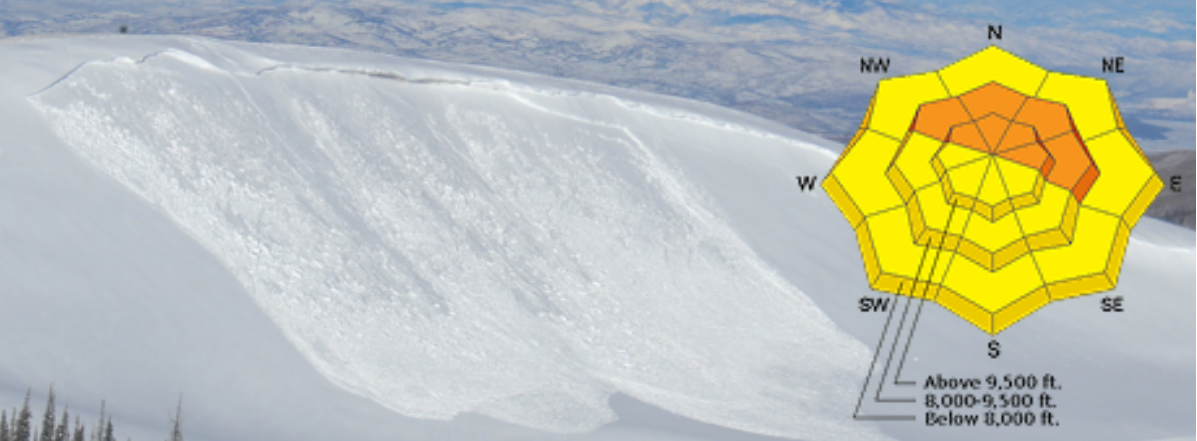
Today's Observed Danger Rating
Moderate
Tomorrows Estimated Danger Rating
None
Coordinates