Forecast for the Uintas Area Mountains

Andrew Nassetta
Issued by Andrew Nassetta on
Friday morning, May 1, 2026

We have stopped issuing daily avalanche forecasts for the season, but checkout our observations page here, and our travel conditions below to keep up with things across the range. And remember, when heading out to practice good habits and protocol in the backcountry to help reduce your risk to avalanches:

  • Check your gear before every ride, and make sure each person has a working transceiver, shovel, and probe.
  • Only expose one person at a time to a steep slope in avalanche terrain.
  • Watch for the 5 red-flags, or signs of instability.
  • Always be ready to pivot your plan, for anything the mountains throw at you!
Low
Moderate
Considerable
High
Extreme
Learn how to read the forecast here
Weather and Snow

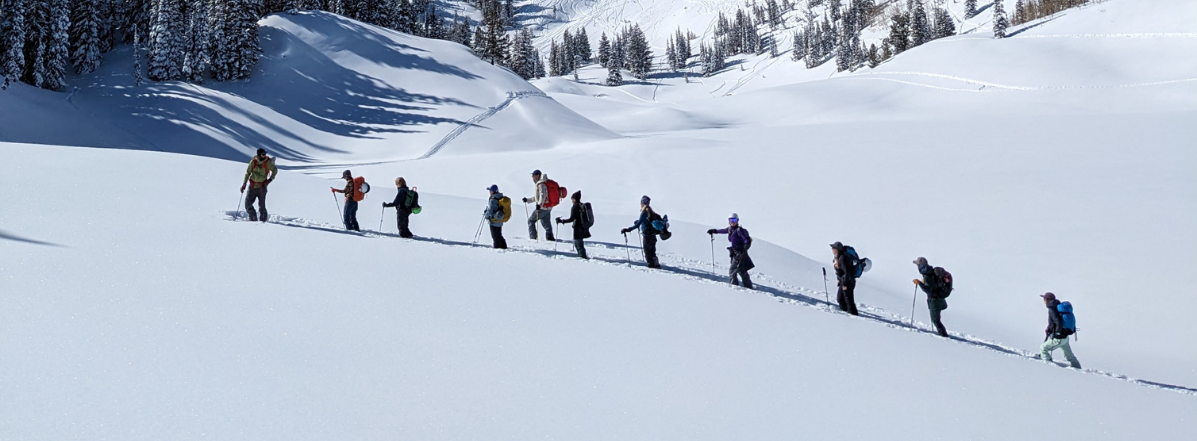
Riding & Travel Conditions - Access for vehicles is slowly melting out and road access slowly gaining distance from both sides on the Mirror Lake Corridor. Right now, HW-150 is open to Trial Lake from the south, and to Holiday Peak area from the north slope. Riding and skiing went off for a bit this week, and observers reported some of the best spring powder of the season. As spring rears it's head again, cold dry snow on the northerlies at upper elevation is your best bet for quality riding. The price of admission may be high, but it's worth the squeeze!

Recent Avalanches

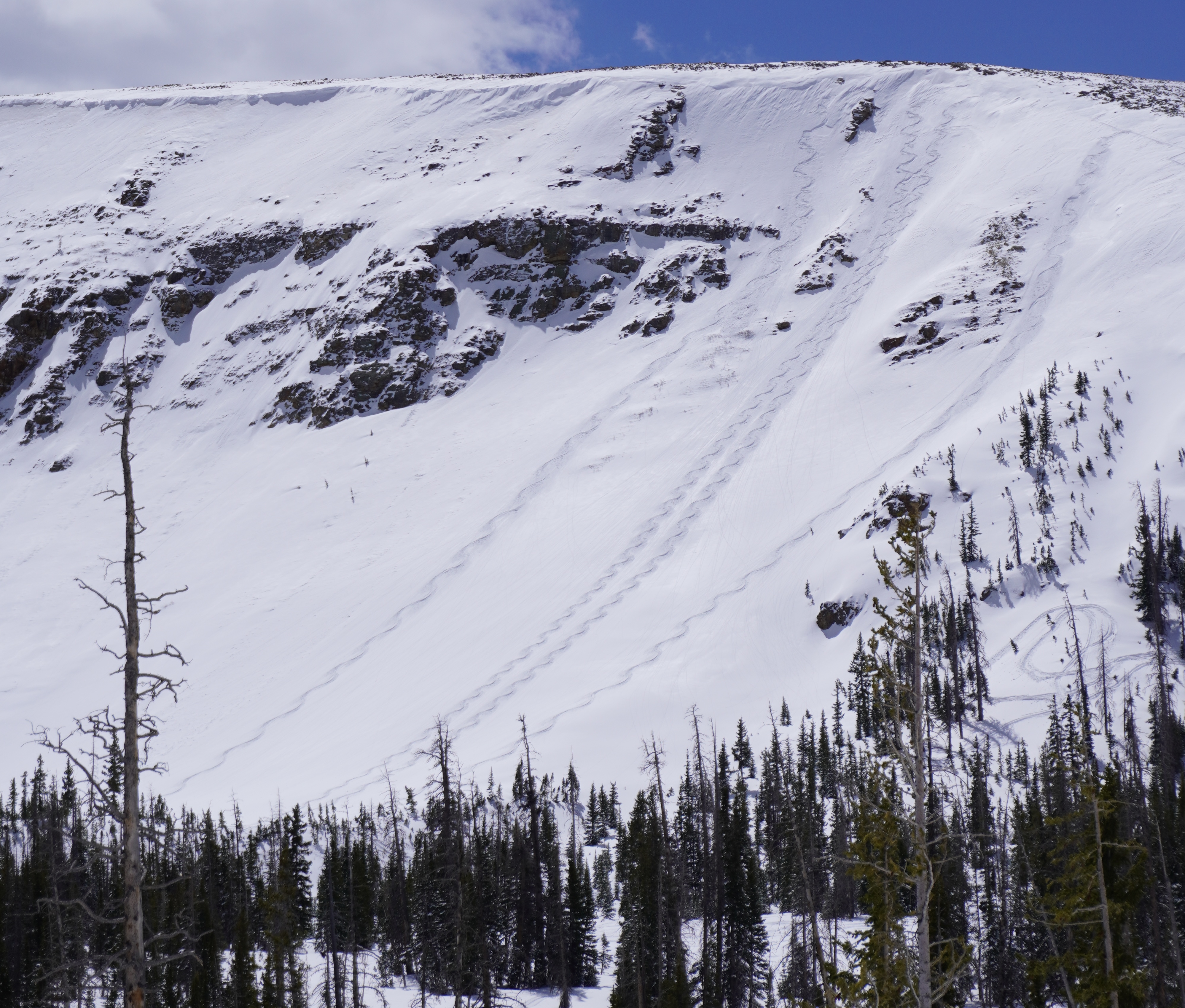
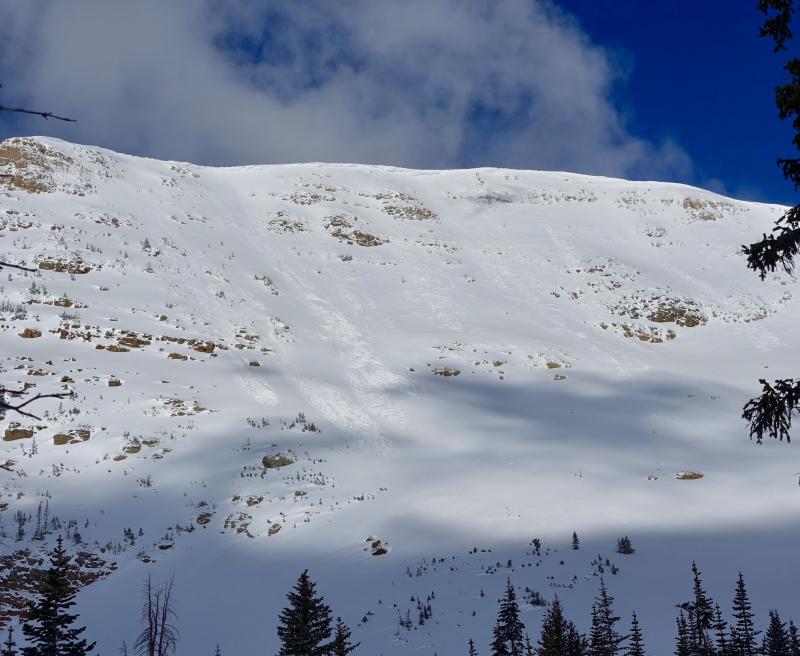
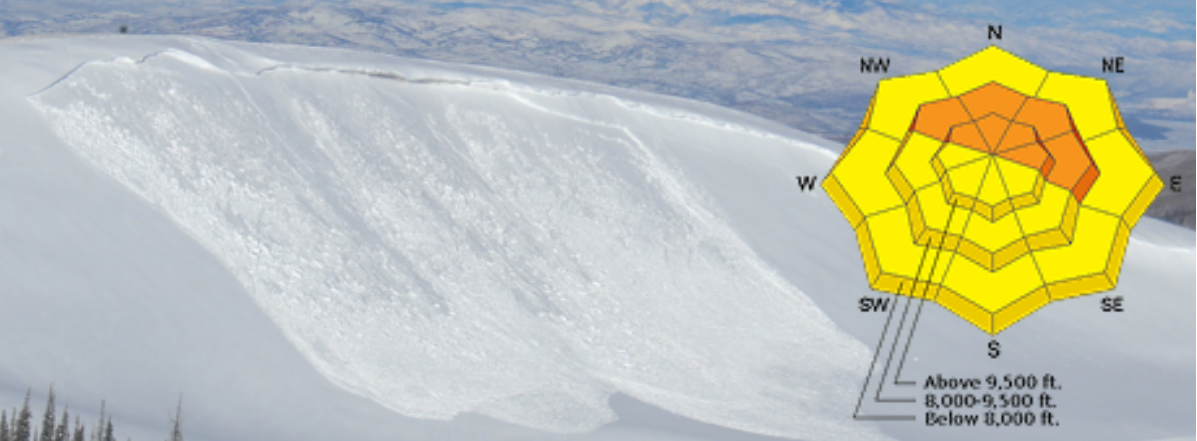
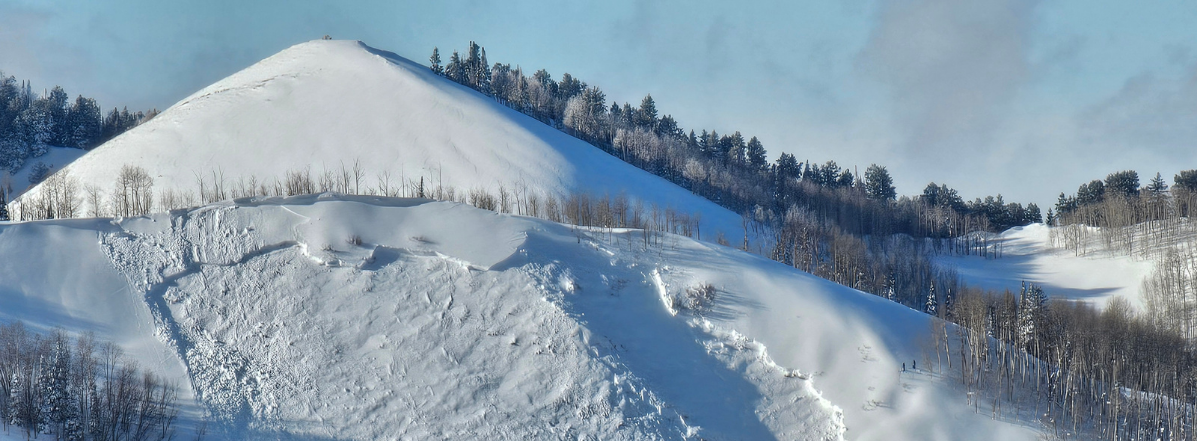
A few avalanches have been reported this week during and after the storm, but nothing within 24-48 hours.

Above, are old, new snow avalanches that occurred during and shortly after the storm that passed through early this week (via T.Katz)

Avalanche Problem #1
Wet Snow
Type
Location
Likelihood
Size
Description

Wet avalanches can release from a single point (Wet Loose) or as a cohesive slab (Wet Slab). They can occur from rain on snow, strong sunshine, or warm temperatures. Although wet snow avalanches are typically slower than dry snow avalanches, they can move very quickly in steep and constrained terrain and they produce very dense and destructive debris.

Accidents dealing with wet snow are often attributed to misjudging the timing of natural avalanches or underestimating the danger of getting caught in slow-moving wet snow debris.

Avalanche Problem #2
New Snow
Type
Location
Likelihood
Size
Description

We almost always get winter-like snowstorms well into the spring in the Uintas. Treat each storm just like you would in winter. Both loose snow and slab avalanches can occur within the new snow due to wind or from heavier new snow falling on top of lighter new snow.

It's easy to test things on the fly as you travel by riding or skiing on small test slopes to see if they crack, collapse or avalanche, or by digging down with your hand to see how well the new snow is bonding to what's beneath it.

Avalanche Problem #3
Wind Drifted Snow
Type
Location
Likelihood
Size
Description

Wind can rapidly load snow onto steep slopes, 10x faster than it can fall out of the sky, making drifted slopes more prone to avalanching.

Look for and avoid signs of wind-drifted snow, such as rounded pillow features, look for shooting cracks, and listen if things sound hollow like a drum under our rigs and rides.

General Announcements

Reach out to us with questions, concerns, or if you see anything along your travels!

Andrew Nassetta | [email protected] | 860 460 8142

This update was issued on Friday, May 01 at 06:00AM. Daily avalanche forecasts have ended for the season. This forecast is from the U.S.D.A. Forest Service, which is solely responsible for its content. This forecast describes general avalanche conditions, and local variations always occur.