Skies are clear, ain't it a shame..
Winds are from the west-northwest, blowing 10-15mph EXCEPT! along the highest peaks and ridgelines where they sneakily increased to 25-30mph with gusts to 35mph overnight.
Mountain temperatures are inverted under the ridge of high pressure with temps in the mid to upper 20s up high, the low teens down low. Note that these upper level mountain temperatures are 10-15°F warmer than this time 24 hours ago.

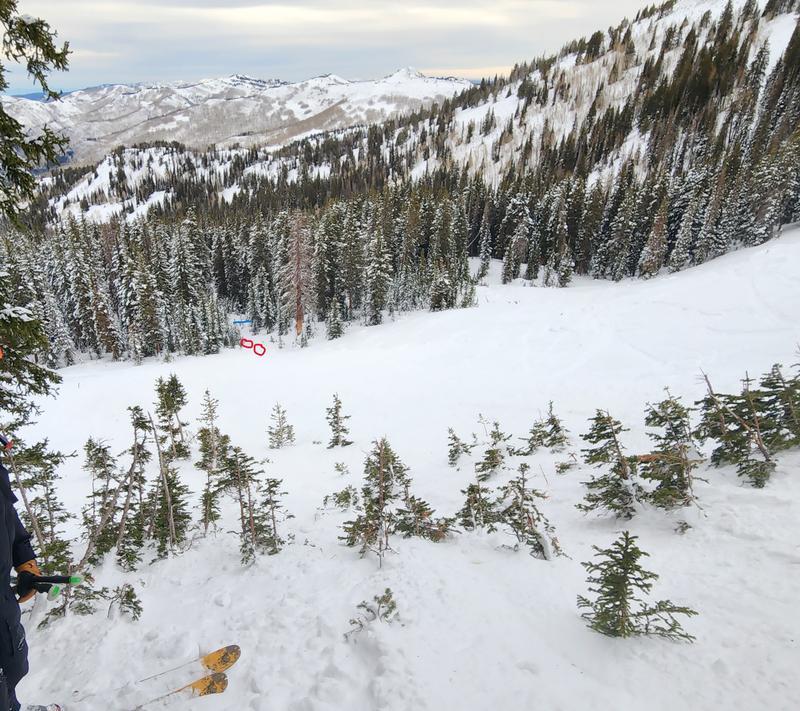
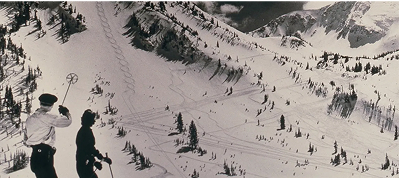
Longtime backcountry skier/alpinist John Climaco finding the goods along the PC ridgeline
Look for mostly sunny skies today, with mountain temps rising to the mid to upper 30s. I expect the winds to lose steam and be generally light today from the west-northwest. We'll see even warmer temperatures tomorrow ahead of warm and potentially wet storm arriving from the southwest Wednesday night. Storm totals may be 4-8" but with a rough rain-snow line at 8000'. Potentially unsettled (active?) late weekend into next week.
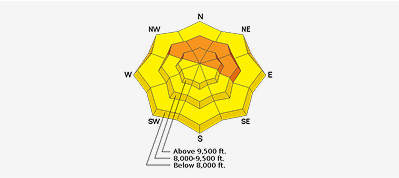
Skiing and riding conditions are excellent: fast (occasionally too fast; see below) and supportable with the post Christmas storm powder on top of the Christmas Eve rain crust. The best (and safest) turns are found on the low angle mid and upper elevation shady aspects; otherwise you're scraping your tails on the rain crust or just getting sluffed with the loose snow. Snow coverage is 30-40 inches on the polar aspects up high and a measily 0-6" down low.
A skier descending Two Trees (south facing terrain east of Superior) triggered and was caught and carried in a loose sluff as he entered very steep and rocky terrain through the choke. His report can be found HERE. This makes four backcountry skiers caught and carried (in either shallow slabs of wind blown snow or loose dry or wet sluffs) in the past two days with one very close call on Sunset Peak on Sunday. More below. In upper Little Cottonwood, avalanche control teams were able to trigger some new snow avalanches running on, or just above, the rain crust.
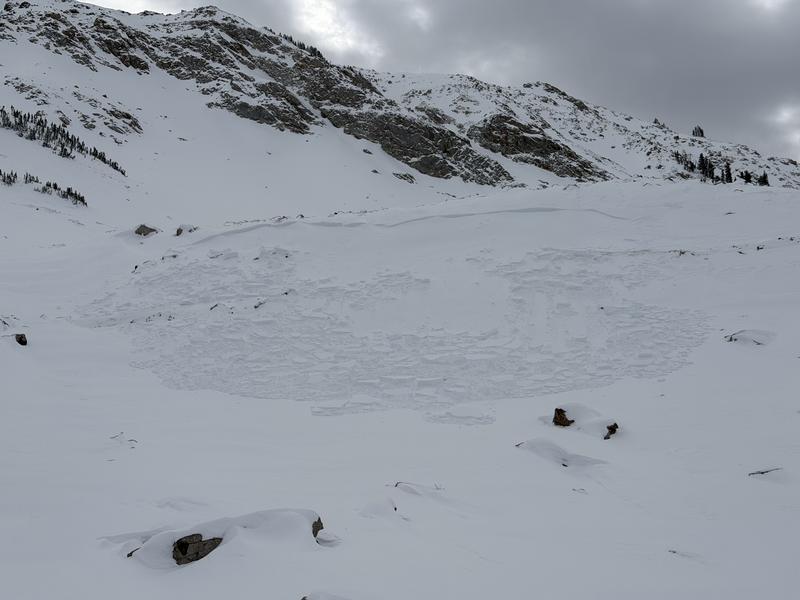
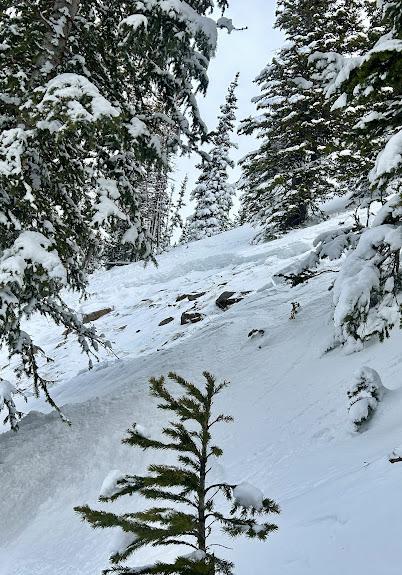
Sunset Peak - North aspect at 10,300 feet that ran on the persistent weak layer (PWL). This was 2.5 feet deep and 80 feet wide, with debris running to the apron below. Fortunately, the rider was not caught and carried, but they triggered another avalanche on a second piece of the slope as they avoid the initial avalanche. Photo below.

Human-triggered avalanche on Sunset Peak failing on the Persistent Weak Layer.