Check Out Our Holiday Auction!

Forecast for the Salt Lake Area Mountains

Trent Meisenheimer
Issued by Trent Meisenheimer on
Saturday morning, December 6, 2025

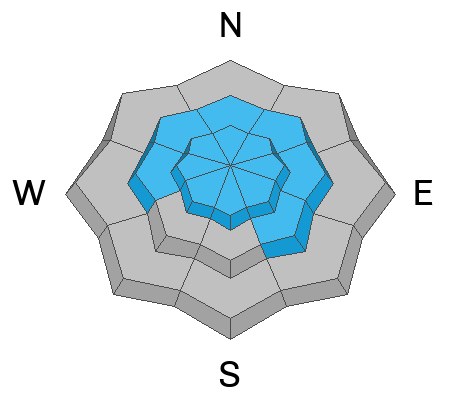
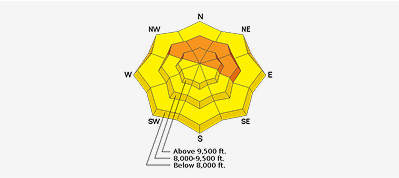
On mid and upper elevation steep slopes facing west through north and east, you will find CONSIDERABLE to HIGH avalanche danger for triggering a Persistent Weak Layer avalanche. Avalanches in this terrain can be triggered remotely (from a distance), and traveling on or beneath slopes steeper than 30 degrees is not recommended. Very dangerous avalanche conditions.

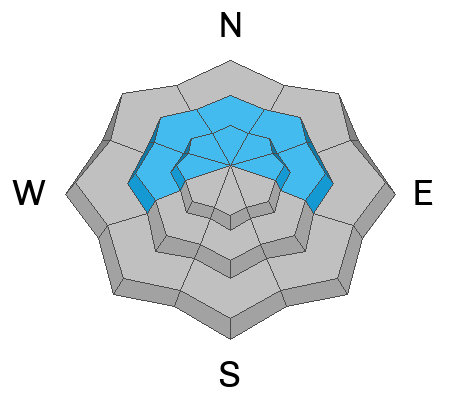
Across all upper elevations, you will also find CONSIDERABLE to HIGH danger for wind-drifted snow. Everywhere else will have MODERATE danger for new-snow avalanches.

Low
Moderate
Considerable
High
Extreme
Learn how to read the forecast here
Special Announcements

This week is Avalanche Awareness Week. Events are happening daily across the state to prepare you for winter and get you thinking about avalanche safety.

Find out about all our events HERE.

Weather and Snow

What a storm! wet, warm, windy, and wild: Upper-elevation ridgelines are blowing 15–25 mph with gusts into the 30s and 40s. At 11,000 feet the wind is absolutely ripping, with sustained speeds at 50–60 mph with gusts pushing into the upper 70s. Overnight we picked up an additional 4–10 inches of heavy new snow containing 0.94–1.97 inches of water, with upper Little Cottonwood receiving the lion’s share. This brings the total storm snow to roughly:

  • LCC: 4-14.5" of snow (0.4-2.36" snow water equivalent)
  • BCC: 4-8" of snow (0.4-1.11" SWE)
  • PC Ridge 4-10" of snow (0.4-1.0" SWE)
  • Wasatch Back: 4-6" of snow (0.4-1.24" SWE)

* Notice the total water amounts, NOT just the height of the new snow. This is heavy moisture driven snow. Great base builder but also great for creating avlanches.

Today the snowfall should continue into mid to late morning, bringing an additional 2–6 inches of new snow with 0.15 to 0.30 inches of water. The winds will remain from the northwest and will continue to blow at speeds of 10–25 mph with gusts into the 30s and 40s across upper elevations. Mountain temperatures will climb into the upper 20s °F and will continue to remain on the warm side with a rain/snow line above about 6,000 feet in elevation.

Recent Avalanches

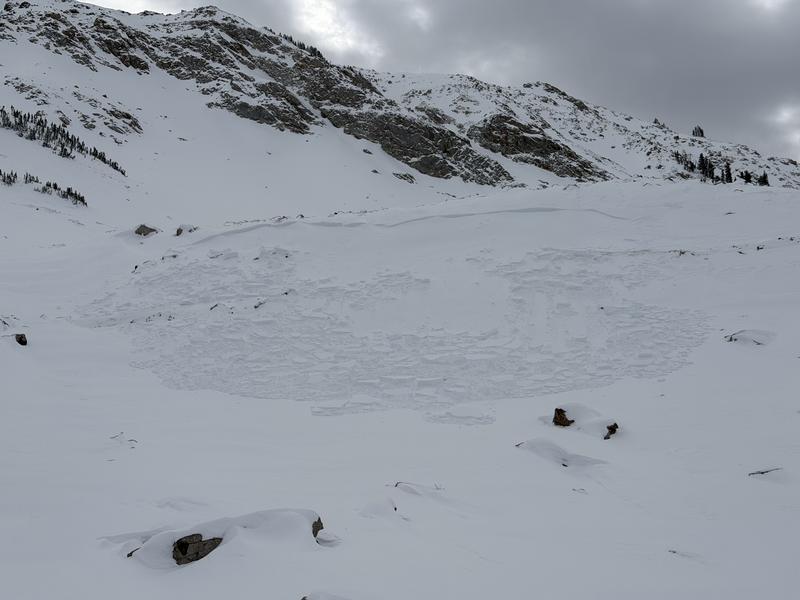
This morning snow safety teams are reporting the snow to have shooting cracks and localized collapsing within the new snow. On upper elevation slopes they report large new wind drifts with some natural avalanche activity on steep terrain. One observer noted a large shooting crack and recommended staying in the flats today, and I agree. My take is we will see lots of avalanche activity today.

You can find all recent avalanche activity HERE

Avalanche Problem #1
Persistent Weak Layer
Type
Location
Likelihood
Size
Description

You need three ingredients to create an avalanche:

• A weak layer
• A slab
• A slope steep enough to slide (anything over 30 degrees)

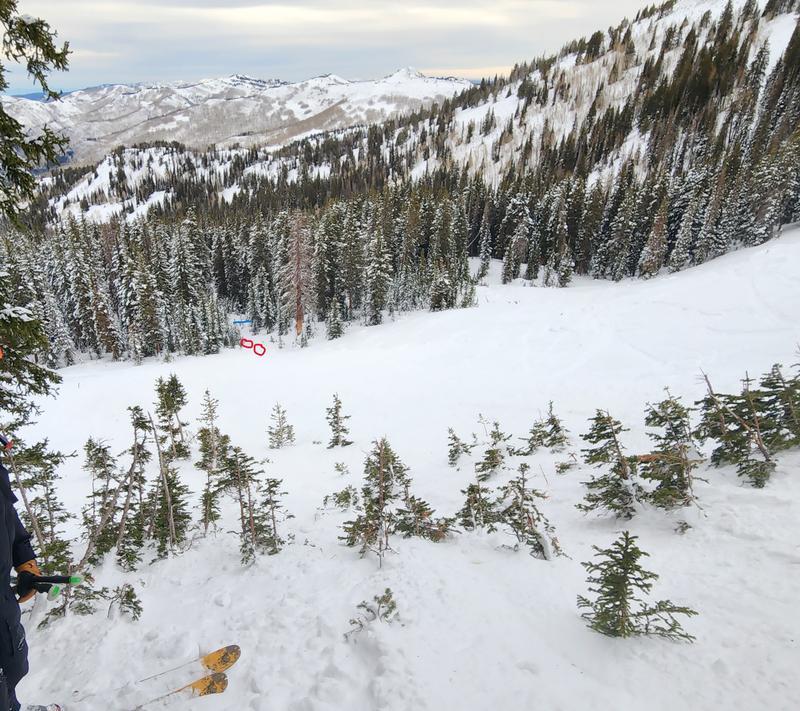
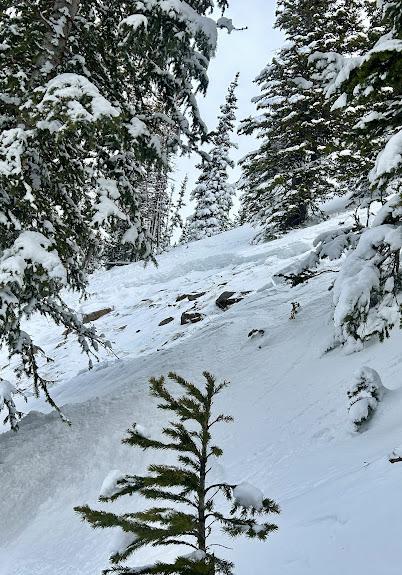
In the photo below, you can see we have the perfect setup for persistent weak-layer avalanches. This is especially true on west, north, and east-facing slopes at mid and upper elevations where old October/November facets are still lurking (see locator rose)

My advice: avoid slopes steeper than 30 degrees and stay off of—and out from under—any terrain facing the north half of the compass. These avalanches can be triggered remotely, meaning you can collapse the weak layer and start an avalanche from a distance. Traveling in avalanche terrain is NOT recommended today.

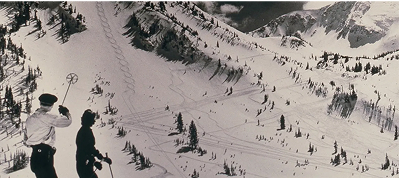
Photo: Nikki and Jeremy showing the snowpack setup along the PC Ridgeline.

Avalanche Problem #2
Wind Drifted Snow
Type
Location
Likelihood
Size
Description

Overnight the wind picked up and continues to blow from the west-northwest at speeds of 10–25 mph across the upper elevations. These winds are actively drifting snow and creating fresh slabs. Be on the lookout for slopes that are loading or have that rounded, pillow-like look. Cracking under your feet, a hollow feel, or stiff, chalky snow are all signs of fresh wind drifts you should avoid.

On slopes where a weak layer of faceted snow sits underneath, even a small wind drift can overload the structure. The added weight from the wind will make any avalanche break deeper and wider, increasing the likelihood of a human or remote trigger and making the consequences of an avalanche much more severe.

Avalanche Problem #3
New Snow
Type
Location
Likelihood
Size
Description

The new snow came in wet and heavy with rising temperatures. This often creates an upside-down structure, where denser snow sits on top of lighter snow—an ideal setup for avalanches failing within the new storm snow. As you travel, pay close attention to how the new snow is bonding. Use small test slopes, shovel tilt tests, and slope cuts before committing to anything bigger. Cracking, collapsing, or any slab-like feel in the new snow are clear signs to dial it back.

General Announcements

This information does not apply to developed ski areas or highways where avalanche control is normally done. This forecast is from the U.S.D.A. Forest Service, which is solely responsible for its content. This forecast describes general avalanche conditions and local variations always occur.