Forecast for the Salt Lake Area Mountains

Brooke Maushund
Issued by Brooke Maushund on
Sunday morning, March 29, 2026

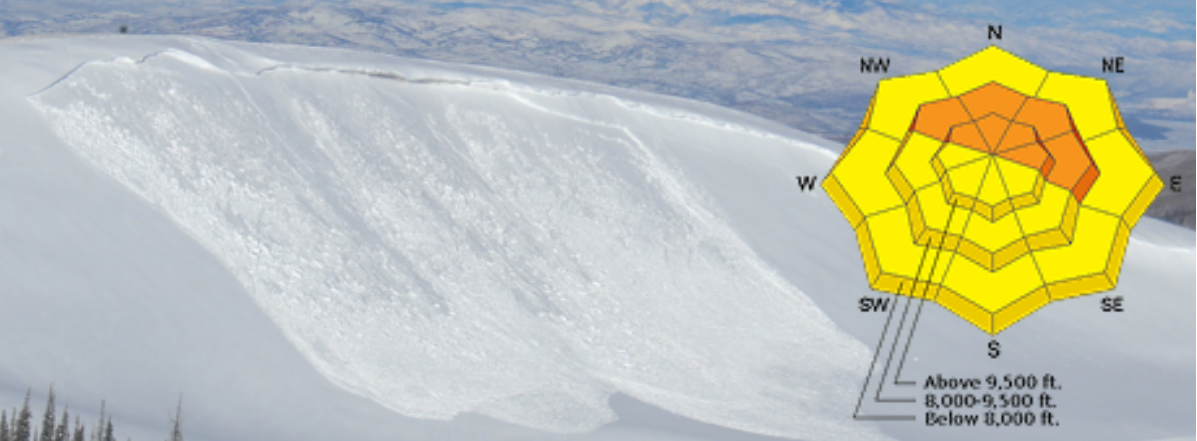
The avalanche danger is MODERATE. Without a refreeze last night, danger will increase throughout the day as rising temperatures make wet snow avalanches more likely. Start early, end early, and stay off and out from under steep slopes with unsupportable snow as the day goes on.

Today is our last daily forecast of the season. Intermittent updates will be issued through the spring as conditions warrant. We will continue publishing observations as they come in, so please continue to submit them when you're out and about!

Low
Moderate
Considerable
High
Extreme
Learn how to read the forecast here
Special Announcements

A new version the UAC's mobile app has been released with new features and improvements. Learn more and download the app HERE.

Weather and Snow

Yesterday, temperatures climbed into the 60s F during the day (a balmy 61°F at Collins) under mostly clear skies. Last night, lows were in the high 30s to low 40s F. Yikes. The scoreboard stands with one refreeze, three nights ago, in the last 12 days.

This morning, the snowpack remains mostly wet and unconsolidated, with temps in the low 40s F. Light SW winds may have helped cool surfaces and will continue, but won't do much for the snowpack as a whole. Clouds will build into the late afternoon, with the smallest chance for trace precipitation in the mountains in the evening—but don't hold your breath. Temps are set to climb into the 50s F.

Looking ahead, there are two small systems slated to arrive this week, but they'll remain duds until proven otherwise for me—they've been trending drier and drier in model runs.

One of the best ways to get a handle on wet snow problems is to see how the snowpack and temperatures interacted in the past week. Lucky for you, UAC Forecaster Drew Hardesty published the Week in Review—SparkNotes for the past week of forecasts, weather, and avalanche activity at your fingertips.

Recent Avalanches

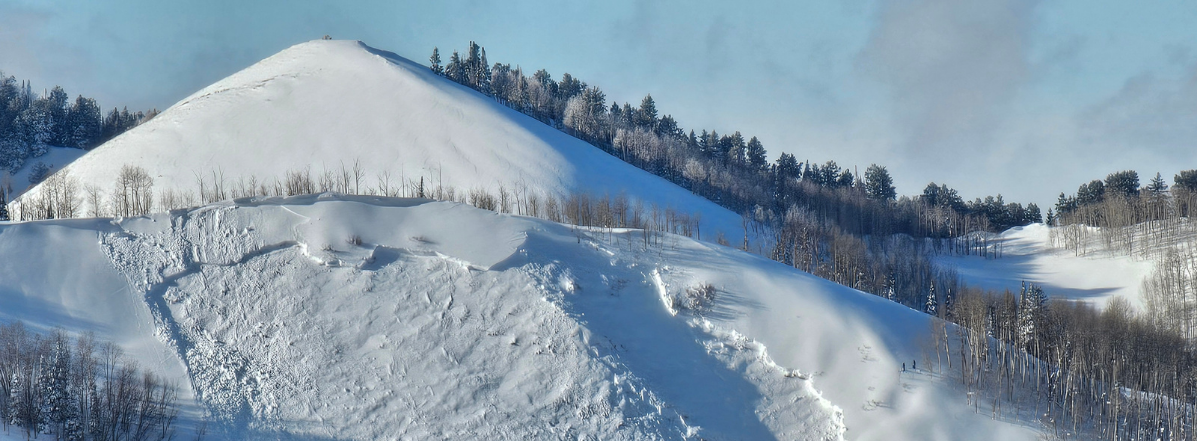
Cornice-triggered wet slide on Pioneer Peak: Scheuerlein spotted a cornice that naturally failed in the heat, and triggered a large wet slide on the slopes below yesterday. This slide likely ran on 3/26. More on slides like this below.

You can view all recent observations HERE.

Avalanche Problem #1
Wet Snow
Type
Location
Likelihood
Size
Description

In the last 12 days, the snowpack has only seen one refreeze, three nights ago. After temperatures warmed near 60°F yesterday, overnight lows only reached the 40s F. The snowpack remains mostly wet and unconsolidated.

  • Wet Loose: This will be the most common concern, with the possibility for natural and human-triggered avalanches involving wet snow near the surface. These may be long-running and gouge down into the snowpack. These avalanches are especially dangerous in steep terrain or above terrain traps such as steep-sided gullies, where escaping the flow is difficult.
  • Cornices: As temperatures rise, large cornices built earlier in the season become more and more fragile. Steer clear of traveling directly under these or through runouts where a falling cornice may trigger a larger wet slide once it impacts the slope above—like the slide on Pioneer Peak. Be sure to give them a wide berth when traveling on ridgelines, as they can break back further than expected.
  • Wet Slabs & Glide Avalanches: As meltwater moves deeper into the snowpack, it can pool on buried crusts or weak layers, weakening the structure and allowing avalanches to break deeper and wider. These are larger and more destructive slides and may occur naturally. Glide avalanches happen when this water pools at the ground, causing the whole snowpack to slide—typically over smooth rock slabs or grassy slopes, like on High Ivory last weekend. Avoid traveling on or beneath slopes with visible glide cracks or known glide paths such as Broads Fork, Stairs Gulch, and Mill B South.
Additional Information

A big thanks to everyone who took the time to submit observations this season, continued reading the forecast through our…less-than-inspiring….periods of weather, and worked to continue learning through paying attention to the snowpack. Even in years where we may not get a lot of powder skiing, we can still learn so much about snow and traveling through the mountains. Continue to pay attention, keep a keen eye, and know that your persistence will pay off in the seasons you have ahead of you. Stay safe and have fun out there this spring.

General Announcements

This information does not apply to developed ski areas or highways where avalanche control is normally done. This forecast is from the U.S.D.A. Forest Service, which is solely responsible for its content. This forecast describes general avalanche conditions and local variations always occur.