Forecast for the Salt Lake Area Mountains

Trent Meisenheimer
Issued by Trent Meisenheimer on
Saturday morning, January 17, 2026

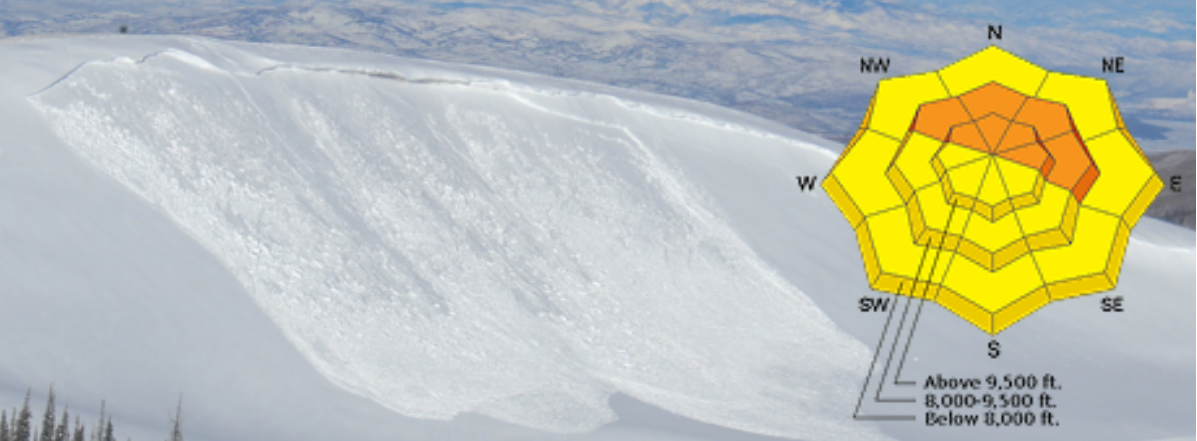
Today the avalanche danger is LOW. You can expect generally safe avalanche conditions, and normal caution is advised. Watch for pockets of unstable snow on isolated terrain features.

Low
Moderate
Considerable
High
Extreme
Learn how to read the forecast here
Weather and Snow

Under clear skies, mountain temperatures are ranging from 10–17 °F. Overnight north winds increased and are currently blowing 10–20 mph, with gusts into the 20s and 30s along upper-elevation ridgelines.

Today, expect another round of diurnal warming as high pressure remains the dominant weather feature. Temperatures will climb into the low to mid-30s. The wind will be strongest this morning and should gradually decrease through the day.

Looking ahead, the forecast remains fairly quiet, with the next chance for a minor refresh around the 23rd.

Week in Review for Friday, January 9th- Thursday, January 15, 2026. You can find it HERE.

Recent Avalanches

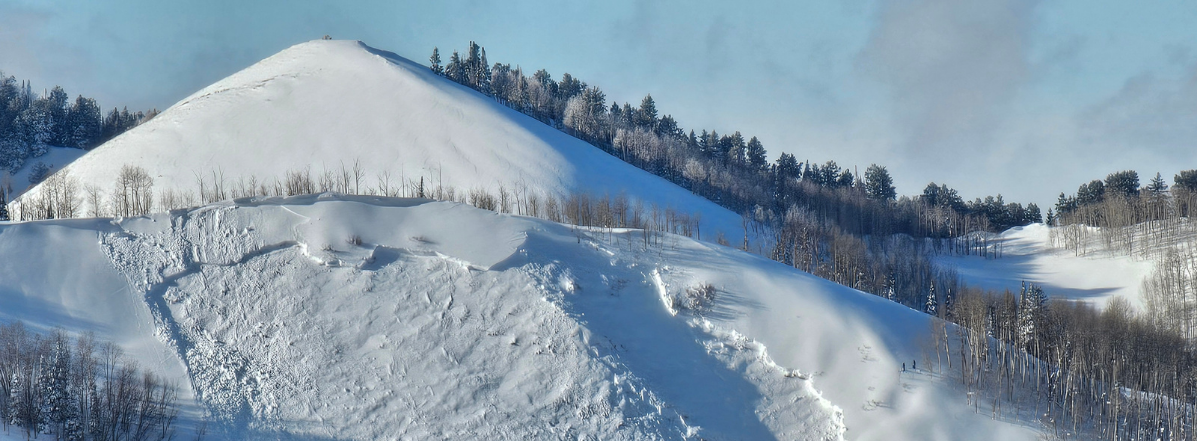
No new avalanche activity was reported. However, we did receive several quality observations from the backcountry.

Avalanche Problem #1
Normal Caution
Type
Location
Likelihood
Size
Description

There is no single, dominant avalanche problem today, and overall conditions are generally safe. That said, avalanches are still possible in isolated terrain, so this is not an “anything goes” situation.

You may still encounter:

  • Small wind slabs on upper-elevation ridgelines and around terrain features where snow has drifted

  • Loose wet avalanches on sunny slopes as the snow warms during the day

  • Loose dry sluffs on very steep slopes, especially where snow remains shallow or unconsolidated

Continue to keep your guard up as you travel. Watch for signs of instability such as cracking, recent avalanches, or rapid warming, and adjust your terrain choices accordingly.

Avalanche Problem #2
Persistent Weak Layer
Type
Location
Likelihood
Size
Description

Think of the snowpack like a rubber band. When it snows and we add weight to the snowpack, the rubber band stretches. Add enough of a load — and the rubber band can break, resulting in an avalanche. As time passes without additional loading, the snowpack begins to adjust and settle into itself. The rubber band relaxes and avalanches become less and less likely.

With that said, there’s no doubt we still have a layered snowpack with buried persistent weak layers. It’s been a week since the last reported slab avalanche​​​​​​, which suggests the snowpack is slowly adjusting.

As always, there is inherent risk in the mountains. Continue to be on guard in upper-elevation terrain—especially on thin, steep, shallow, rocky slopes. These isolated areas remain the most likely places where a person could still trigger a slab avalanche.

General Announcements

This information does not apply to developed ski areas or highways where avalanche control is normally done. This forecast is from the U.S.D.A. Forest Service, which is solely responsible for its content. This forecast describes general avalanche conditions and local variations always occur.