Forecast for the Salt Lake Area Mountains

Bo Torrey
Issued by Bo Torrey on
Thursday morning, January 1, 2026

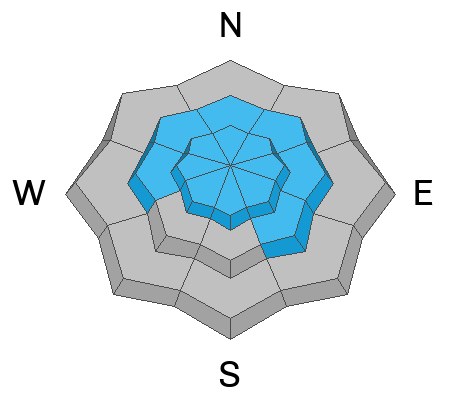
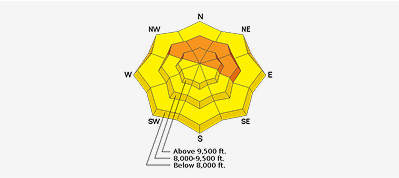
MODERATE avalanche danger exists on W-N-E facing slopes above 9,000 feet. You could trigger a hard slab avalanche breaking 1-3 feet deep and up to 100 feet wide on a persistent weak layer, specifically on steep, rocky slopes loaded by wind.

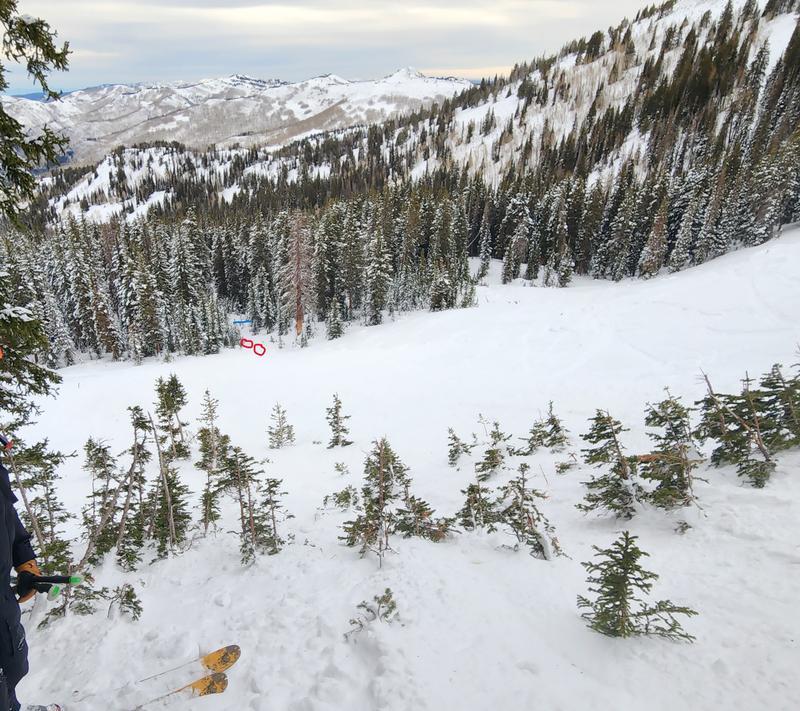
A slick rain crust is creating hazardous slide-for-life conditions. Exercise extra caution on steep, exposed terrain where self-arrest would be difficult.

Low
Moderate
Considerable
High
Extreme
Learn how to read the forecast here
Special Announcements

Happy New Year from all of us at the UAC. Thanks for another year of continued support.

On Wednesday, a backcountry skier slipped while skinning the ridge from Cardiff Pass toward Cardiff Peak. The slip led to an uncontrolled slide-for-life, and he slid to the north over the cliffbands into Cardiff Bowl. With the help of SL County SAR, WBR, DPS, Unified Fire, Life Flight, and Powderbird, the injured man was air-evac'd to the valley. While this accident was not avalanche-related, it is a significant event and a telling of the Christmas Eve rain crust's impact on conditions in the backcountry.

Weather and Snow

Under mostly cloudy skies, temperatures at 11,000' have cooled into the 30s °F, down from yesterday's highs in the 40s. The wind is blowing out of the SW and is currently 10–20 mph with gusts into the 30s along the highest peaks.

Snowfall begins early this morning with snow levels starting around 7,000 feet before quickly rising to 8,500 feet by late morning and remaining there through the day. Expect a sloppy rain/snow mix in the mid-canyons, with potential for freezing rain at canyon mouths. The wind will remain out of the SW, blowing 15–25 mph with gusts in the 30s and 40s along upper elevation ridges. By early evening, expect 2 to 6 inches of dense, heavy snow above 8,000', with up to 8 inches in high-elevation areas favored by moist SW flow.

After a break in precipitation this evening, a cold front moves in tonight. This brings another round of moisture, snow levels drop to near 7000 feet, and snow densities decrease.

New essay from UAC Forecaster Drew Hardesty: Paying Attention

Recent Avalanches

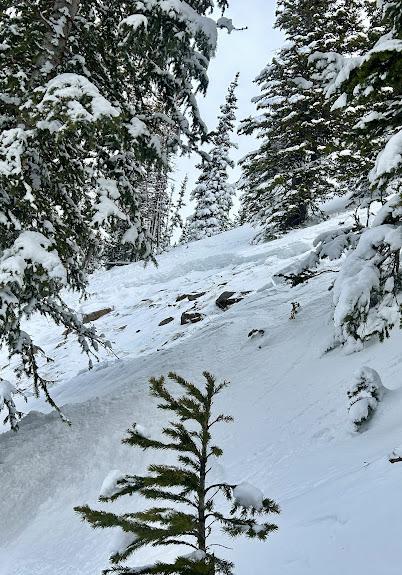
Yesterday, reports of an avalanche in Hidden Canyon just outside of the Brighton area boundary came in to the UAC. The avalanche failed on a Northwest-facing slope around 10,350 feet. Exact details of the avalanche type, size and trigger remain unclear but looks to have failed up to 2 feet deep and 40 to 80 feet wide. The terrain characteristics match likely areas for triggering an avalanche that fails on a persistent weak layer of snow near the ground ie. steep, rocky, upper elevation.

Avalanche Problem #1
Persistent Weak Layer
Type
Location
Likelihood
Size
Description

The Christmas Eve Rain Crust (CERC) is creating a tricky, low-probability but high-consequence scenario. Crust thickness is a critical variable. On most mid-elevation slopes, the crust is several inches thick, effectively 'protecting' the weak layer and making triggering unlikely.

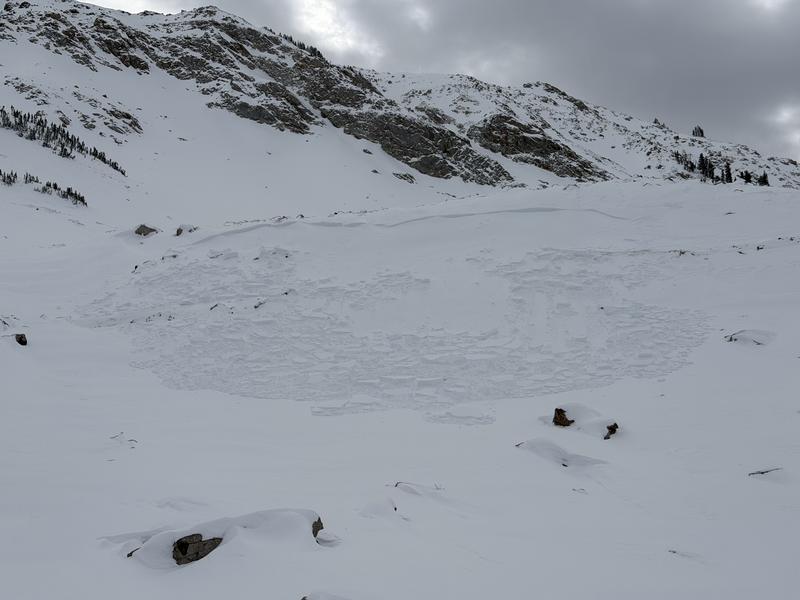
We are most concerned with slopes above 9500 feet where less rain fell, and the crust is thinner. The challenge is that we don't have a clear pattern of where those places are. Recent avalanche activity provides clues, but as we enter a storm period, uncertainty surrounding the crust/facet combination remains high. It is a good idea to build in a margin and avoid terrain with characteristics similar to the Sunset Peak avalanche: steep, rocky, wind-exposed.

Looking at the bed surface of the Sunset Peak avalanche is a sober reminder of the consequences of being caught in this type of avalanche right now; the relatively thin veil of snow masks the rock grinder you'd be dragged through.

On December 30th, Dave Kelly visited the Sunset Peak avalanche. His observations is a bullseye for understanding this setup here.

Avalanche Problem #2
Wind Drifted Snow
Type
Location
Likelihood
Size
Description

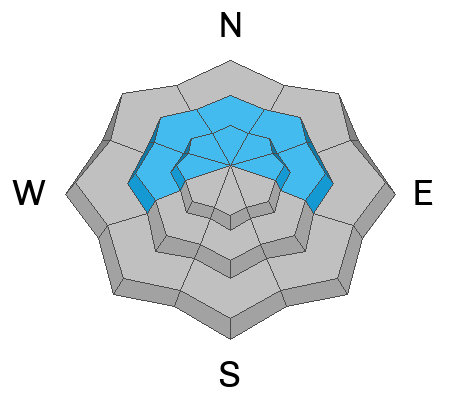
By late day, accumulating snow and moderate SW wind will build shallow soft slabs up to 10 inches thick near exposed ridges. While these surface avalanches will likely be small, they could step down into the deeper, more dangerous hard slab problem (1-3' deep) on upper elevation W-N-E slopes.

'Radiation Recrystallization' (near-surface facets) formed on upper elevation SE aspects over the last few days. While the warm daytime temperatures likely destroyed this layer in most locations, it may survive in isolated pockets and create more sensitive slabs here.

General Announcements

This information does not apply to developed ski areas or highways where avalanche control is normally done. This forecast is from the U.S.D.A. Forest Service, which is solely responsible for its content. This forecast describes general avalanche conditions and local variations always occur.