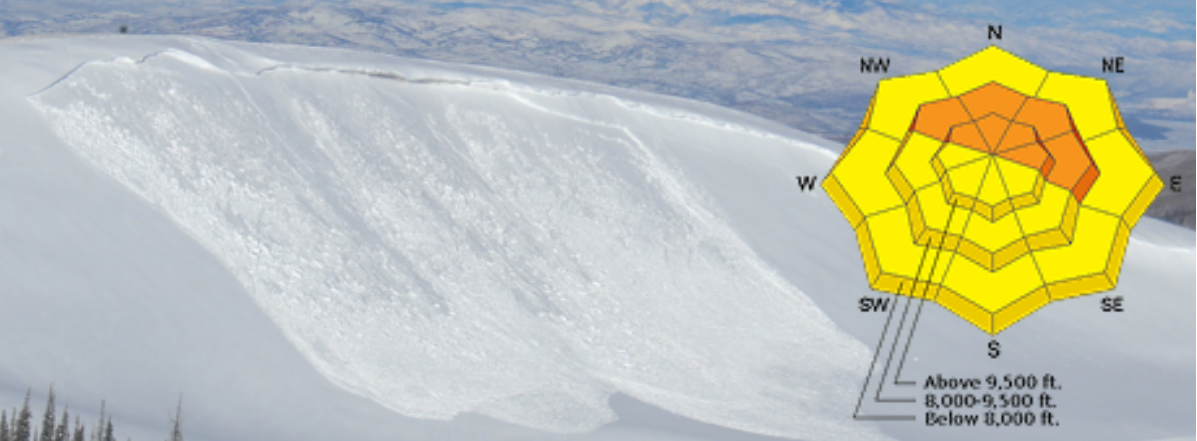
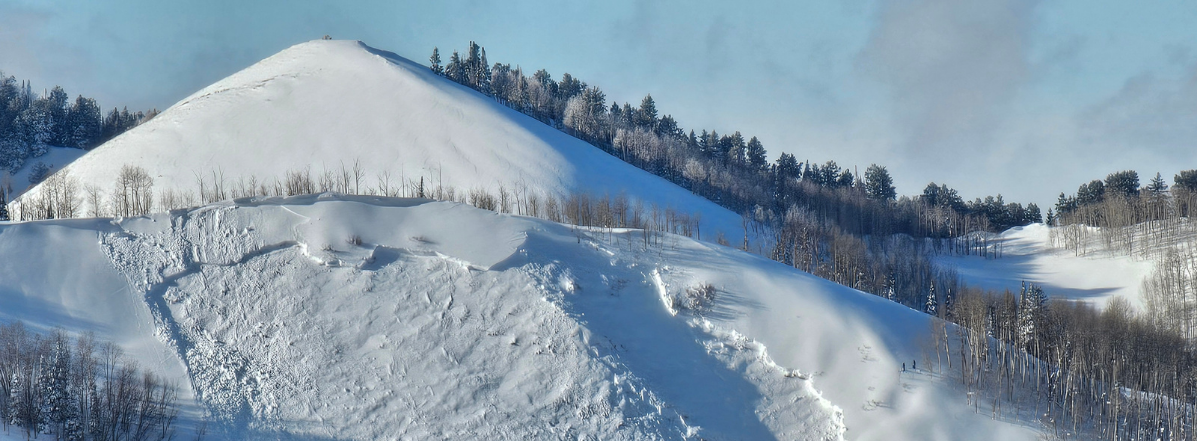
Think of the snowpack like any other material that has stress added to it. When we add new snow or wind load, we add weight and tension to the system. Take that loading away for long enough, and the snowpack slowly adjusts and settles, releasing some of that built-up stress. As that happens, avalanches become less likely over time, though they don’t go away entirely.
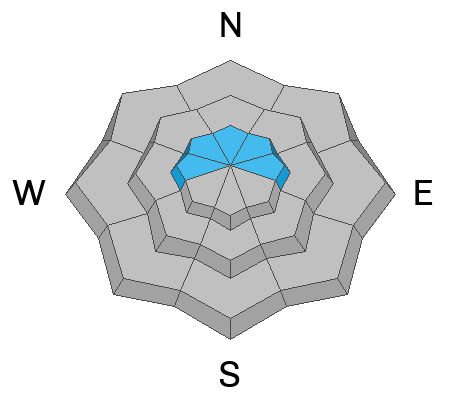
This is when we enter a period of dormancy. We know the problem technically still exists, but it is currently dormant. It’s been about a week since the last reported slab avalanche, which suggests the snowpack is gradually adjusting. Thin, steep, rocky slopes and shallow snowpack areas remain the most suspect.
While the basal facets remain the primary concern, another thing to keep an eye on is the weakening surface snow. During this stretch of high pressure, the snow surface is becoming weak and faceted, especially in wind-protected terrain. Once buried, this snow could become another persistent weak layer down the line, so it’s worth tracking how much the surface continues to weaken over the next week.