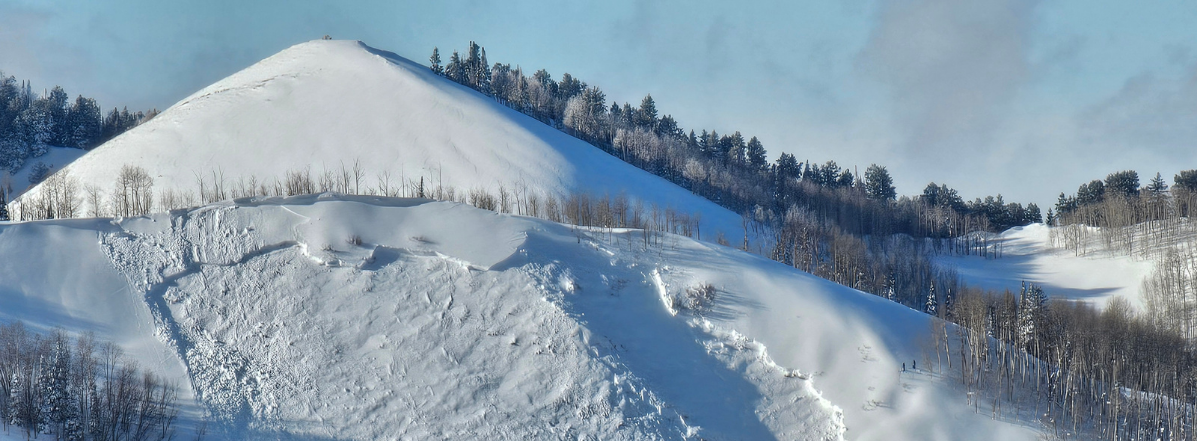
UDOT PLANNED AVALANCHE CLOSURES!!

Forecast for the Logan Area Mountains

Paige Pagnucco
Issued by Paige Pagnucco on
Monday morning, December 22, 2025

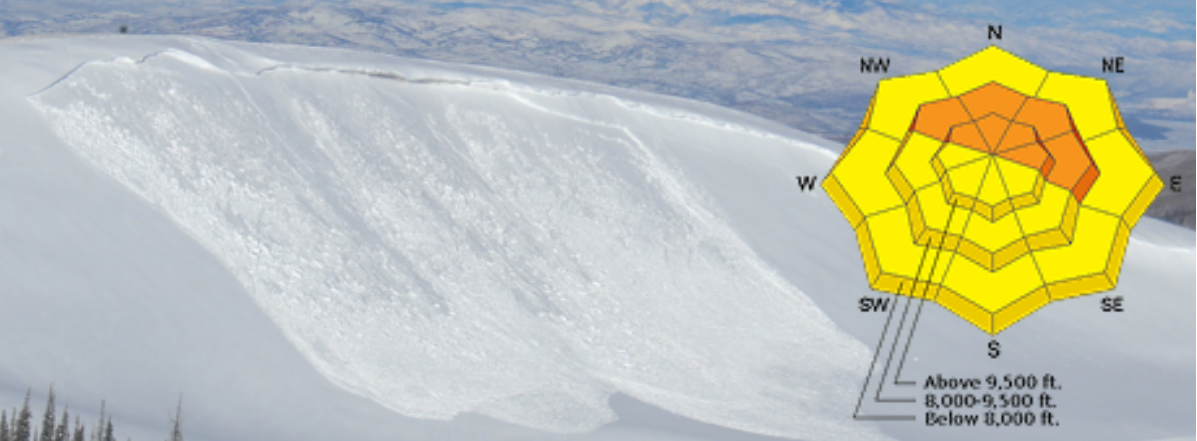
Avalanche danger is MODERATE at upper elevations on northwest through southeast-facing slopes. Winds blowing from the west-southwest may create shallow, dense slabs of wind-drifted snow on the lee side of ridges and around terrain features, like sub-ridges and gullies. While crusts cap early-season facets on many slopes, triggering 1–2 foot-deep avalanches remains possible—especially where the slab is thinner, the crust is weak, or wind-drifted snow could step down.

Warm temperatures may cause wet loose avalanches in very steep terrain. Move to lower-angle slopes if you see rollerballs or start sinking in above your ankles into saturated snow.

Evaluate snow and terrain carefully.

Below 7,000 feet, snow cover is minimal or non-existent.

Low
Moderate
Considerable
High
Extreme
Learn how to read the forecast here
Weather and Snow

Current conditions: It is 41 °F at the 8400' Tony Grove Snotel this morning with 31" of total snow. Our Card Canyon site is showing 40 °F with 17" of total snow. On Logan Peak, winds are blowing from the southwest in the 30s mph and gusting into the 40s and 50s mph. On Paris Peak, winds are blowing from the south-southwest in the teens, with gusts reaching into the 20s mph. It's uncommon to lose snow height in December, but here we are with way above-average temperatures this Christmas week. What soft snow was around yesterday got zapped by the warmth, and observers reported damp and sticky riding conditions in the Central Bear River Range. Snow-covered access roads are melting out.

Mountain weather: 8500' temperatures are expected to cool a little bit today to about 35°F with winds blowing from the west-southwest 15 to 20 mph, gusting near 40 mph. Snow is likely, and the Northern Bear River Range could pick up 3-7 inches of snow, while the Central Bear River's may get 1-2 inches. The further south you go in the forecast zone, the less snow is expected. The Christmas Eve storm is still on track and is expected to bring decent snowfall to the mountains and, sadly, rain in the valleys. What is most exciting, though, about this storm is what comes after ...colder air! Winter may yet be saved.

Recent Avalanches

No new avalanches have been reported locally since early December. For all observations and avalanche activity in the Logan Zone, go HERE

Avalanche Problem #1
Wind Drifted Snow
Type
Location
Likelihood
Size
Description

The winds have caused some damage over the past week, scouring some slopes and loading others. Wind slabs are likely to be stiff and stubborn, given the high snow density. Today, moderate to strong winds blowing from the west-southwest will transport any available snow and load the lee side of ridges and terrain features, like subridges and gullies, with fresh wind drifts. Avoid steep slopes that are actively loading or have a rounded, pillow-like appearance. Cracking under your feet, a hollow feel, or stiff, chalky snow are all signs of areas to avoid.

  • Even small avalanches can have serious consequences in shallow snow conditions, where a slide could drag you through rocks or downed trees below.
  • Stick to safe travel practices: travel with a partner, and cross or ride steep slopes one at a time while the rest of your group watches from a safe spot.
Avalanche Problem #2
Persistent Weak Layer
Type
Location
Likelihood
Size
Description

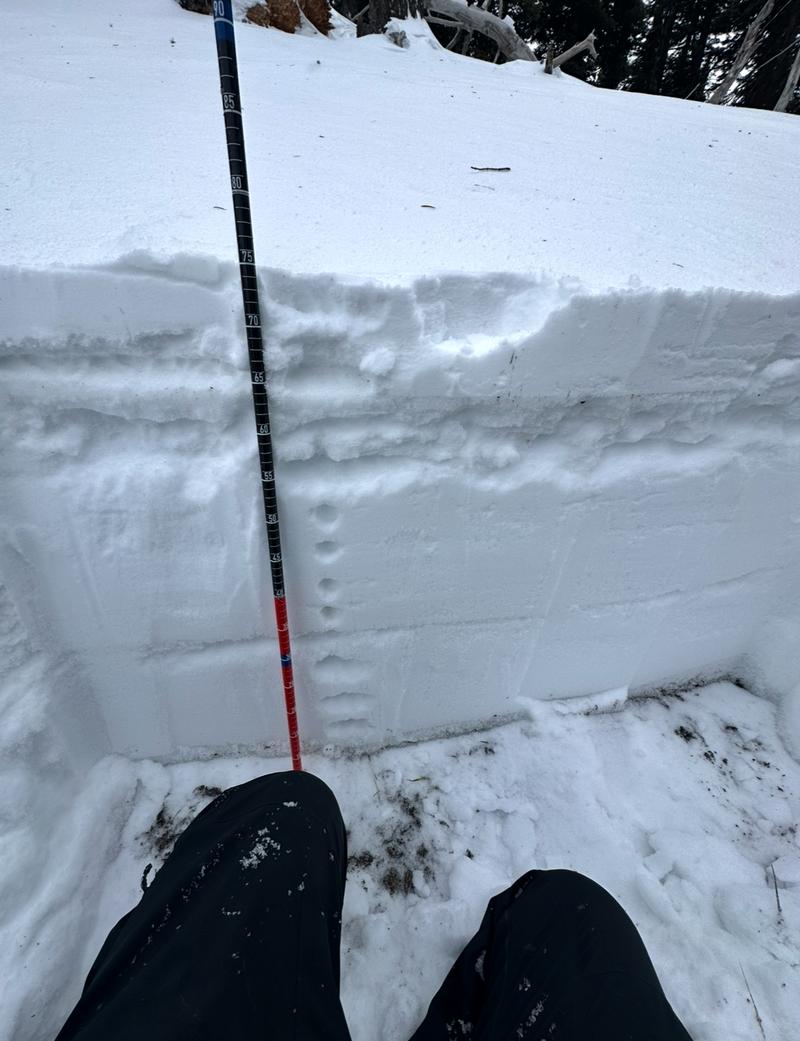
In the Central and Northern Bear River Range, weak, faceted snow from November is buried beneath a thick crust or multiple crusts and dense snow. On steep, wind-drifted slopes—especially where the crust is thin or missing—people can still trigger avalanches that may propagate widely. Collapsing, shooting cracks, and whumpfs, are clear warning signs of unstable snow. Remotely triggered avalanches are also possible where the overlying slab is thinner.

Snowpit profile from the Emigration Summit Area - North Aspect - 8300'. You can see the stout crust near the surface, capping the weaker snow near the ground.

Additional Information

Are you interested in learning more about avalanches? Visit our education page for details on all our classes.

For more information, visit the UAC weather page here: UAC Weather Page For Logan-specific weather, go here: Logan Mountain Weather

-For all questions on forecasts, education, Know Before You Go, events, online purchases, or fundraising, call 801-365-5522.

-Remember, the information you provide could save lives, especially if you see or trigger an avalanche. To report an avalanche or submit an observation from the backcountry, go HERE

-Receive forecast region-specific text message alerts to receive messages about changing avalanche conditions, watches, and warnings. Sign up and update your preferences HERE

This forecast is from the U.S.D.A. Forest Service, which is solely responsible for its content. This forecast describes general avalanche conditions and local variations always occur.

General Announcements
This information does not apply to developed ski areas or highways where avalanche control is normally done. This forecast is from the U.S.D.A. Forest Service, which is solely responsible for its content. This forecast describes general avalanche conditions and local variations always occur.