Check Out Our Holiday Auction!

Forecast for the Salt Lake Area Mountains

Drew Hardesty
Issued by Drew Hardesty on
Thursday morning, December 11, 2025

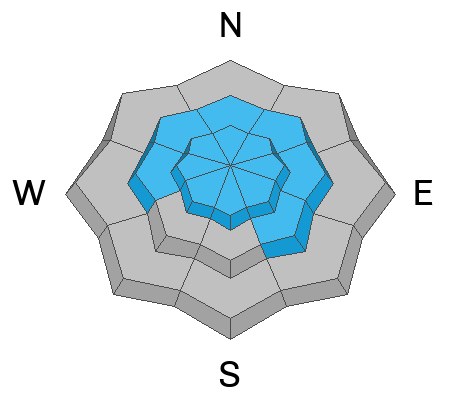
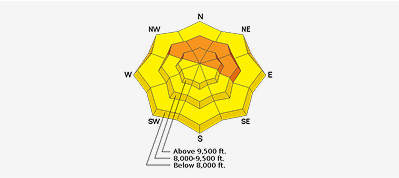
A pockety MODERATE avalanche danger exists on some steep west to north to east facing slopes above about 9000 feet for triggering a 1-2 foot thick slab that fails on our old Oct/Nov facets. Exercise caution in this terrain. The danger for wet avalanches will rise to MODERATE on many slopes today. Wet sluffs and possibly wet slabs will be likely in the coming days.

Low
Moderate
Considerable
High
Extreme
Learn how to read the forecast here
Weather and Snow

Skies are clear.

Winds remain from the west-northwest, blowing in the moderate to strong category.

Mountain temperatures are a puzzle, a curiosity, to put it mildly, at least for December 11th. Overnight lows are in the 30s to 40s Fahrenheit. That is not a misprnt.

For today, we'll have sunny skies, moderate winds from the west-northwest, and mountain temperatures skyrocketing into the mid to upper 30s up high, and hovering around 50°F down low. We're only getting started. Mountain temps are forecast to rise into the low to mid-40s up high this weekend. Not to be judgy, but it just ain't right for this time of year.

It should be pointed out that some mid and low elevations haven't had a proper refreeze for a night or two and probably won't until next week. See a weather station from Summit County below.

For the longer range, it looks as if the ridge of high pressure gets squashed down mid-next week, allowing for a somewhat more active weather pattern from the west. I continue to eye the Solstice for a glimmer of hope.

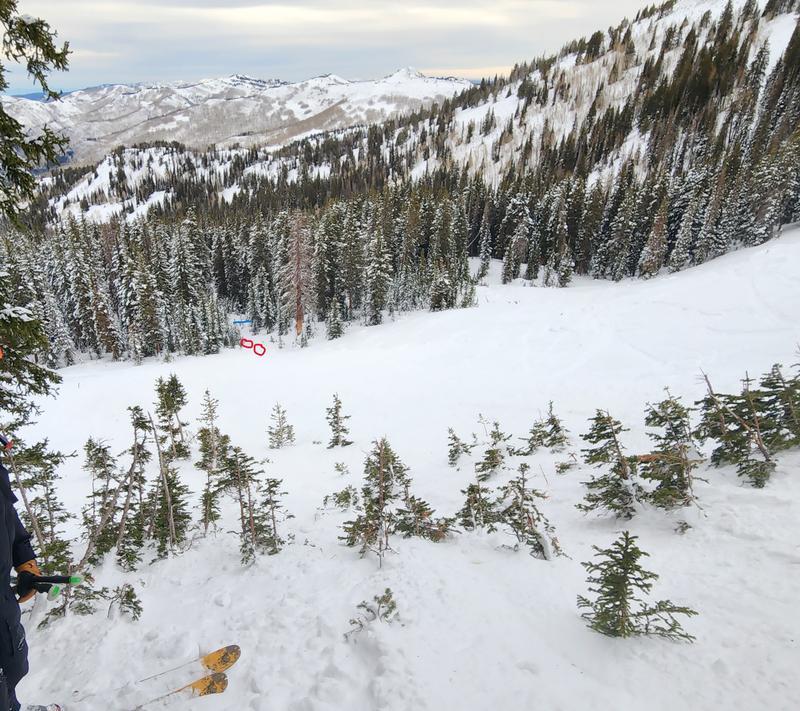
This morning, you'll be skiing and riding coral and breakable crust until things soften with daytime heating. The highest elevations do host a sliver of dry -albeit wind damaged - snow.

Coverage in the upper Cottonwoods is 1-2 feet up high and dirt to 10 inches at the trailheads. The PC ridgeline hosts 12-18 inches up high.

Recent Avalanches

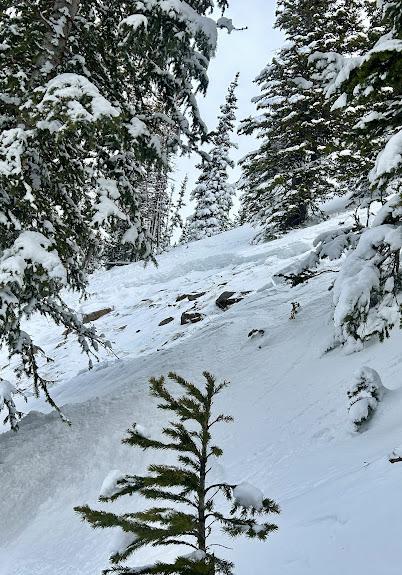
There were no new avalanches reported from the backcountry yesterday, although we did get reports of rollerballs, pinwheels, and some very minor wet loose sluffs.

Avalanche Problem #1
Persistent Weak Layer
Type
Location
Likelihood
Size
Description

A persistent weak layer (PWL) of October and November facets makes up the base of the snowpack on west-north-east facing slopes at the mid and upper elevations. In these areas, it is still possible to trigger an avalanche up to about 2 feet deep and over 100 feet wide. Cracking and collapsing are become less common and snow tests hint at slow stabilization, yet persistent weak layers come by their name honestly. Exercise caution if you're traveling through steep terrain with this poor structure.

Avalanche Problem #2
Wet Snow
Type
Location
Likelihood
Size
Description

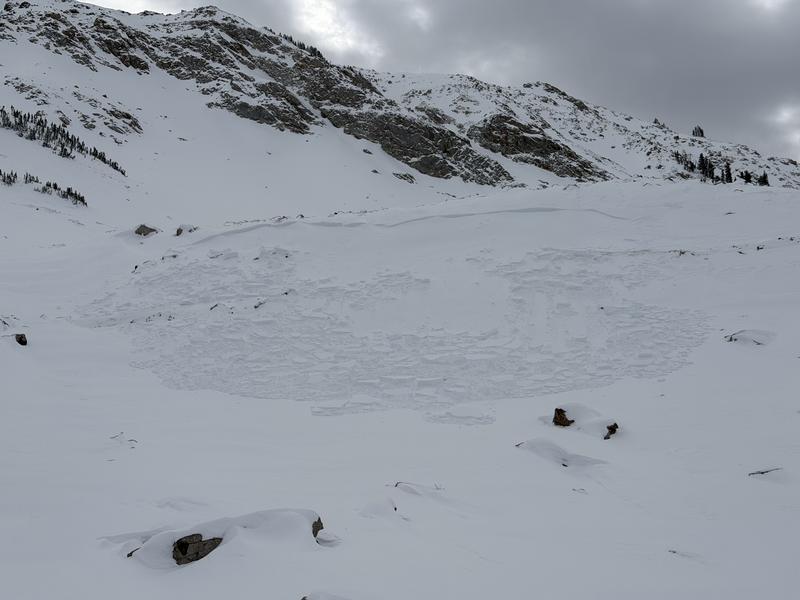
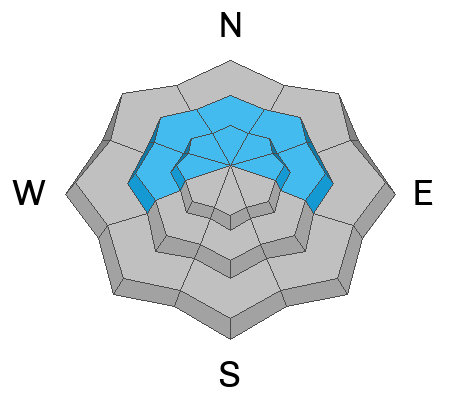
Wet sluffs, wet slabs, and natural glide avalanches will start to become a problem today through early next week. I've always felt uncomfortable forecasting wet avalanches and feel even less comfortable forecasting wet avalanches in mid-December. My recommendation - to keep it simple - is to pull the calendar off the wall and just observe what you're seeing and note how it feels under your feet. If you're seeing wet rollerballs and loose point releases and/or the snow starts to feel punchy and unconsolidated, head for a different aspect or low angle terrain.

Full depth glide avalanches can be expected in the usual terrain of Mill B South, Broads, and Stairs Gulch of BCC and in the upper reaches of Porter Fork in MCC.

General Announcements

This information does not apply to developed ski areas or highways where avalanche control is normally done. This forecast is from the U.S.D.A. Forest Service, which is solely responsible for its content. This forecast describes general avalanche conditions and local variations always occur.