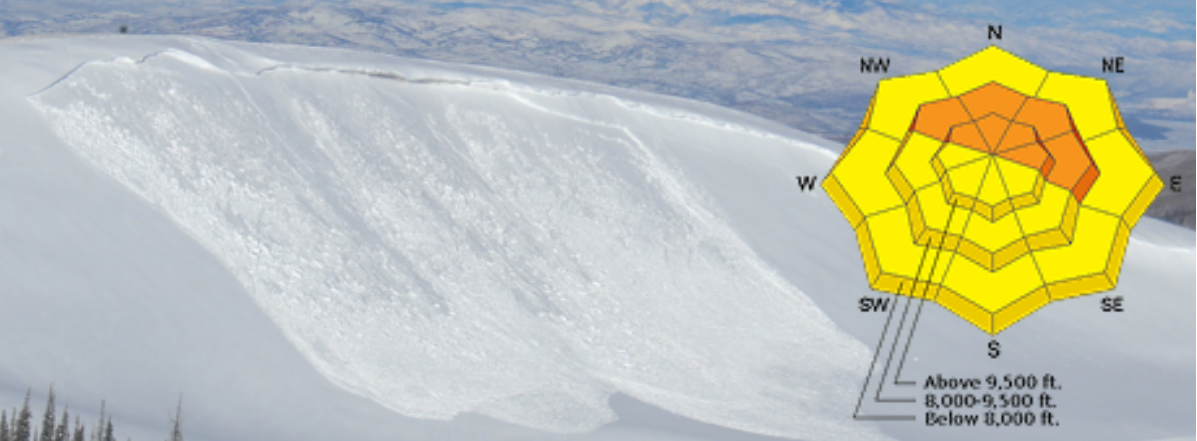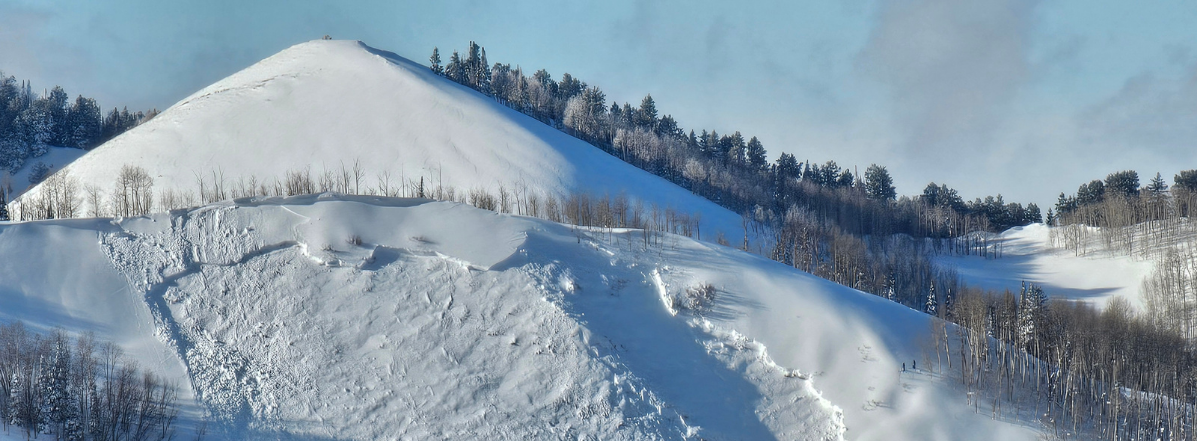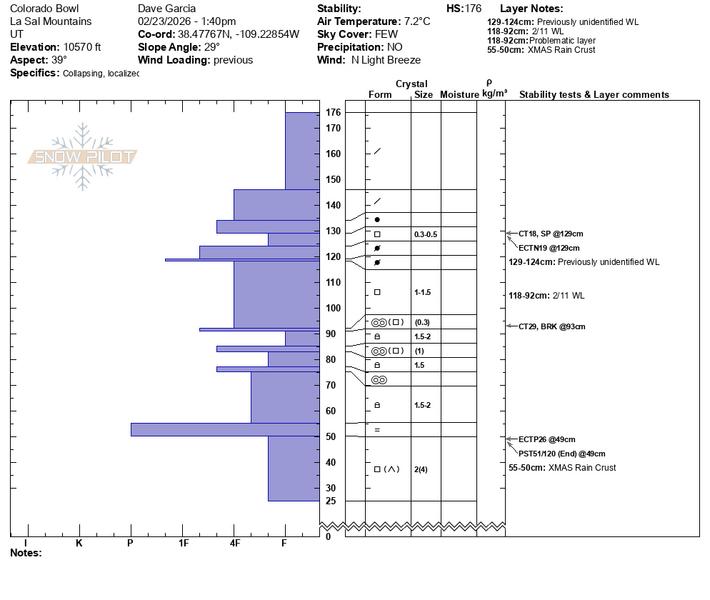
At first glance, you are looking at a complex snowpack with a lot of layers. However, the big picture is a garbage snowpack that I will not have much confidence in for quite some time. There are several weak layers of concern. This pit revealed a layer of small grained facets above the 2/11 weak layer that hasn't shown up in other locations. I don't know how widespread this layer is, and it could be isolated to this zone. This newly ID'd weak layer scored CT 18 SP and ECTN 19. The 2/11 layer did not produce propagation today, but it did score a stubborn CT29 BRK. My take is that if you gain some elevation, you will find a more robust slab, and this layer will likely produce propagation for several days to come. The Christmas rain crust was 5cm thick at this elevation. This is a relatively low elevation pit, and received more rain than higher elevations. The facets below the rain crust failed at ECTP 26. However, I am always slightly skeptical when I cut through a 5cm thick pencil hard crust. I went ahead with a propagation saw test on this layer, and it scored PST 51/120 (End). The bottom line here is that human triggered avalanches remain likely at higher elevations on the 2/11 layer. The ECT and PST results on the basal facets and depth hoar show that any avalanche has the potential to step down below the Christmas rain crust and take out the entire season's snowpack, resulting in a very dangerous and deadly avalanche.
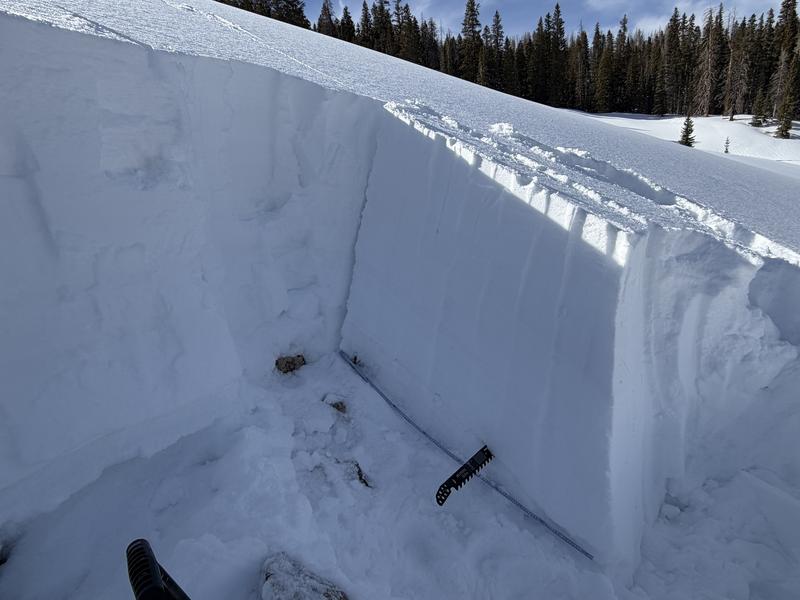
PST results: 51/120 (End)