Forecast for the Uintas Area Mountains

Andrew Nassetta
Issued by Andrew Nassetta on
Sunday morning, March 8, 2026

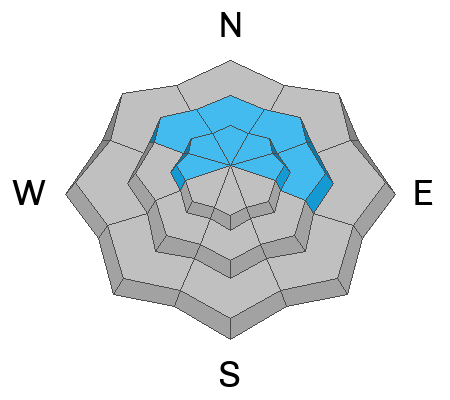
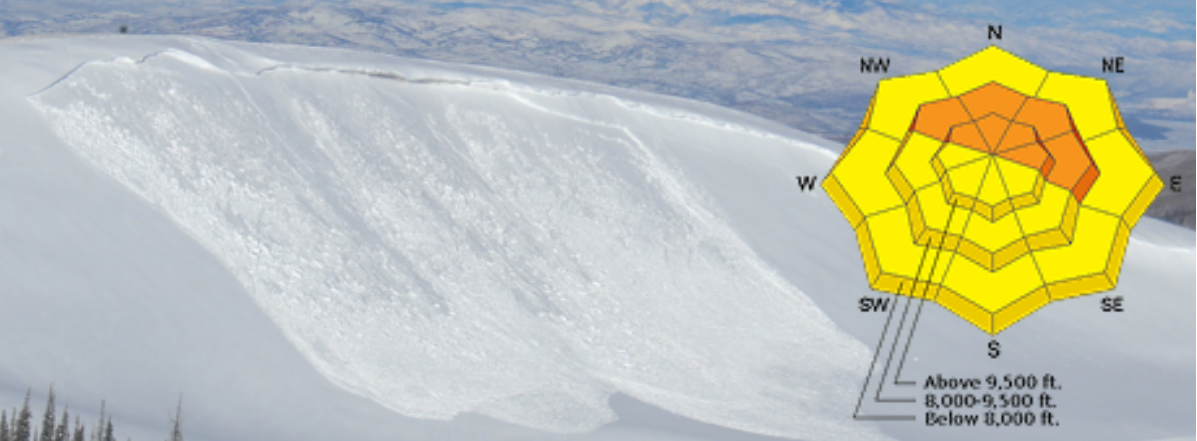
The avalanche danger is MODERATE above 9,500' on the north half of the compass and human-triggered avalanches are POSSIBLE up to 2' deep where settled storm and wind-drifted snow sit atop a sugary, faceted layer from the January drought.

It feels like spring, but the snowpack still has it's winter coat on. With that said, I am continuing to avoid steep, rocky, wind-drifted areas where this problem exists, and I can trigger an avalanche big enough to roll me.

Low
Moderate
Considerable
High
Extreme
Learn how to read the forecast here
Weather and Snow

Nowcast - As of 0500, mild temperatures in the 20's°F are paired with clear skies and calm winds from the north around 15 MPH near 10,000'.

Forecast - Another stunner of a day, as skies should be spotless with plenty of blue to go around. We will feel similar temperatures to yesterday, around a high of 35°F at 9,000'. Winds will be light to moderate, from the north with a few hints blowing from the northwest and northeast.

Futurecast - High pressure sits strong through tomorrow with gusty westerly winds expected to develop across northern Utah mountains Tuesday. Warmer than usual mid-week temperatures hit us later this week and will give our snowpack a solid hit.

Travel Conditions - Across the Uinta's snow depths range from 0-4', with little to no coverage at most of our trailheads to some of the best riding of the season in upper elevation terrain. The North Slope won this past weeks storm and stacked up the most snow, with a settled 10-15", and closer to 5-10" down on the South Slope. Solar aspects and windward terrain are cooked and wind scoured leaving behind a mixed back of sastrugi, crusts, wind-board and wind-pack in exposed areas. But get high, orient yourself to the north, and you will be met with stellar riding conditions no matter where your off to today.
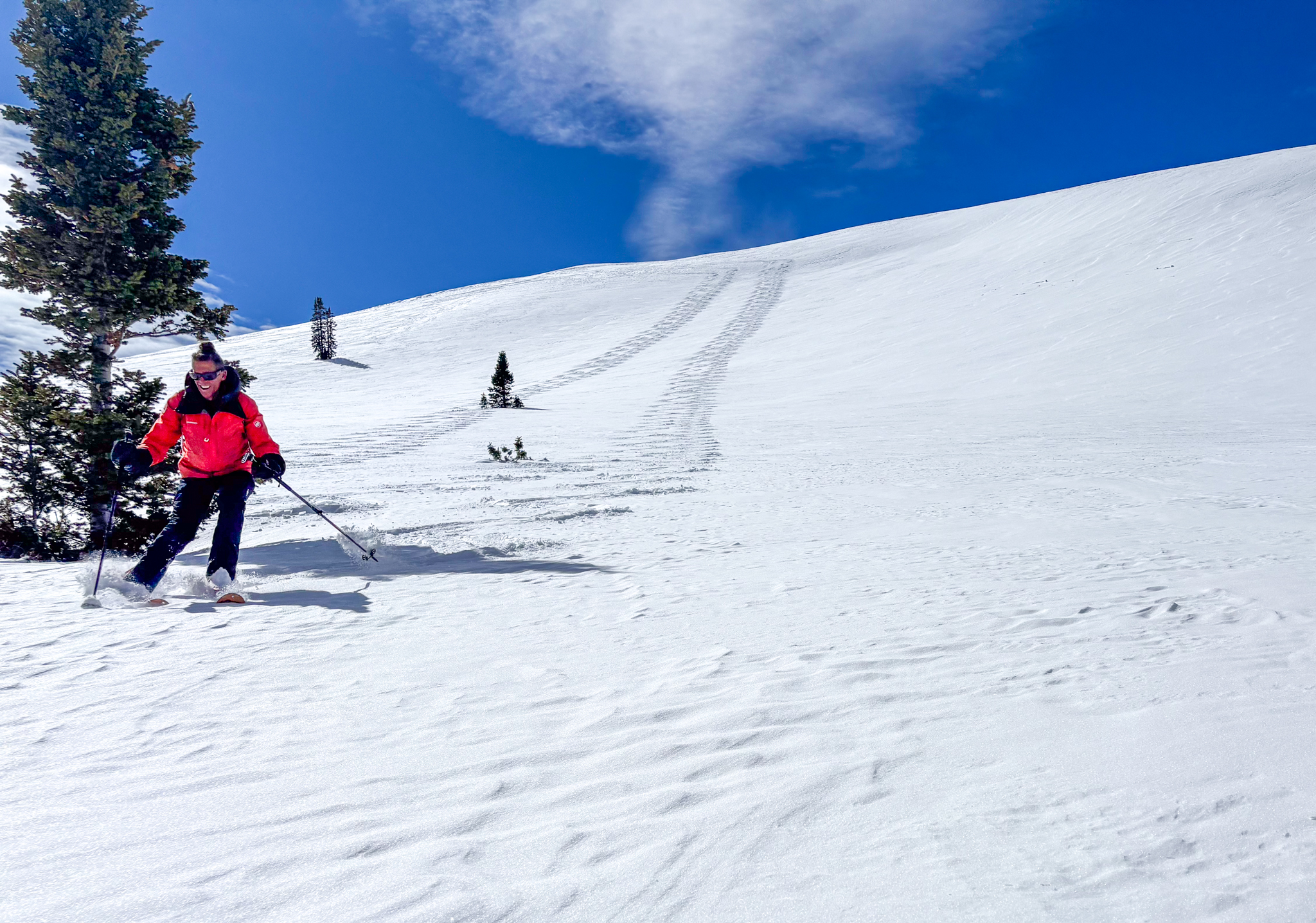
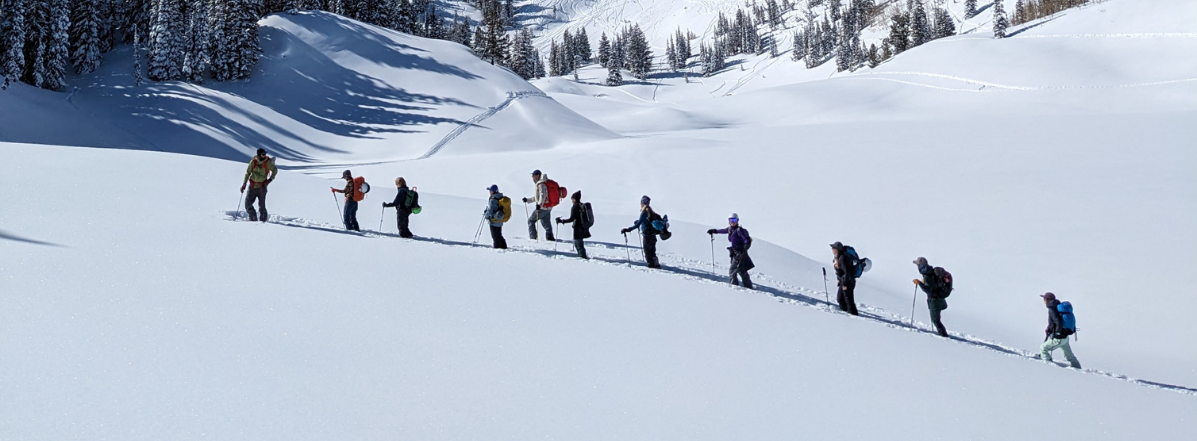
Craig and I stepping-out yesterday, with caution, into bigger terrain on the north half of the compass. Not only did it feel good under our rigs, but the snowpack structure beneath the surface is also showing signs of strengthening and beginning to adjust to its current state of being.

Recent Avalanches

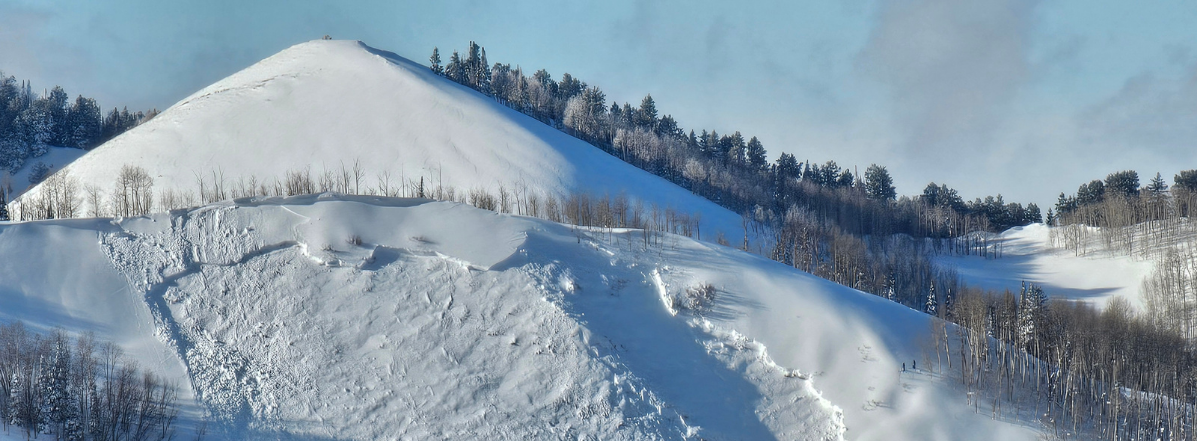
Yesterday was quiet across the range, but a few avalanches were observed, one of them failing into old snow from out January Drought Layer. This tells me that our weak layer of facets is getting comfortable, but we are still not all the way there.
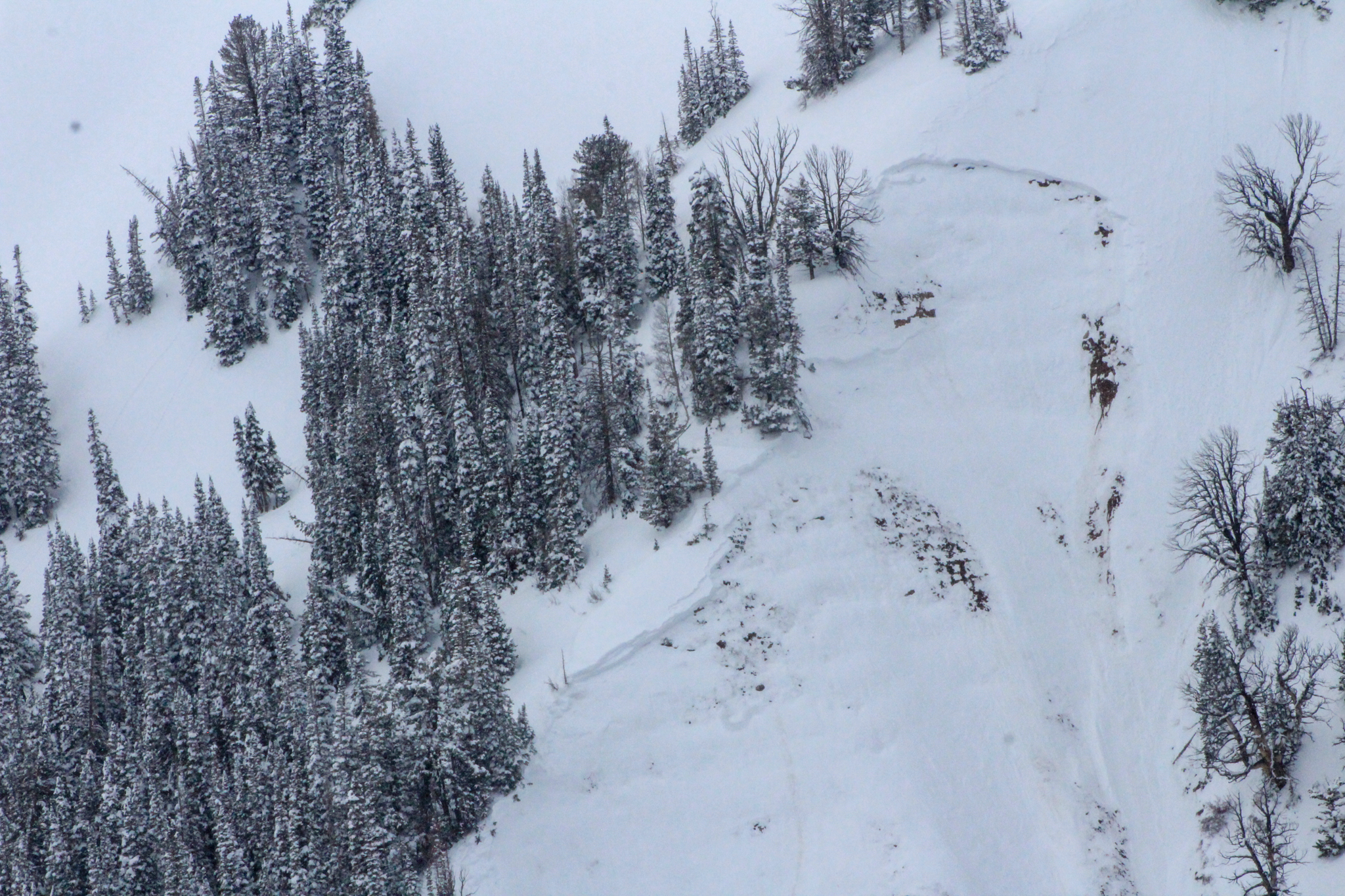
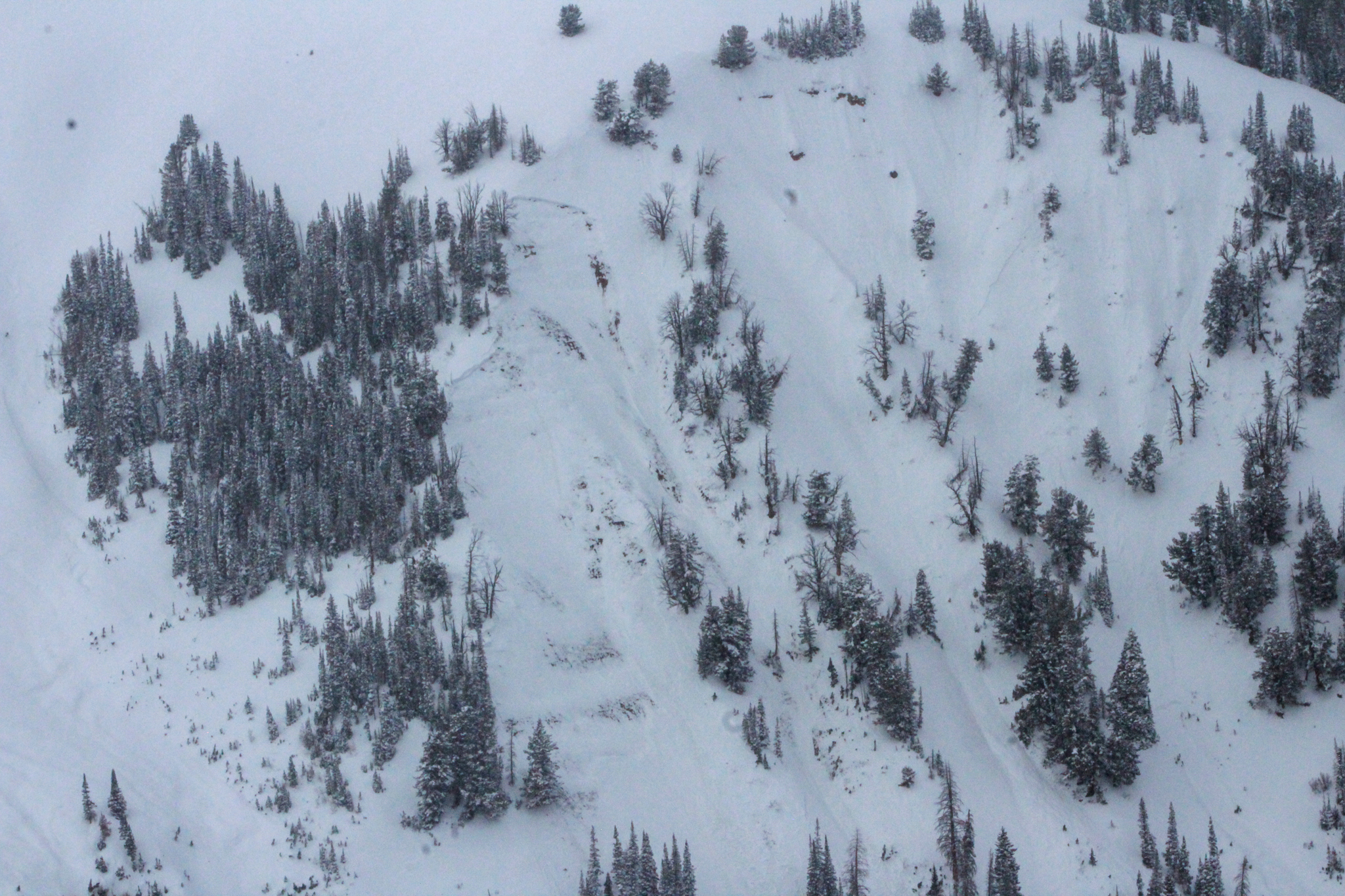
Near Chalk Creek, on an east facing slope near 10,800' a natural, hard-slab avalanche failed mid-day and was 2' deep, 300' wide, running nearly 500' vertically -- Check out more on this chunk, here.


Avalanche Problem #1
Persistent Weak Layer
Type
Location
Likelihood
Size
Description

A steep, shallow, and complex slope at upper elevations where a natural avalanche occurred failing into the JDL (January Drought Layer) and breaking a good distance down the ridge. Check out more on this slide, here.

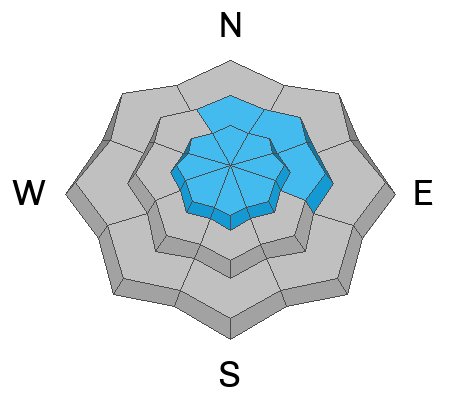
This past weeks storm was not enough to wake up our PWL in a widespread fashion, but that being said we saw a few slides that queued us in to where we are currently at in regards to our snowpack structure and hazard. On northwest through east facing slopes on mid and upper elevations, recent avalanche activity and snowpack tests suggest the likelihood of triggering this avalanche problem is going down. The ast few storms in conjunction with mild temps and strong spring sunshine go a long way to help a snowpack turn the corner. The good news is the snowpack is beginning to gain strength and other than a subtle whumph or two, we are encouraged to see it adjusting to the big mid-February storm. On the flip side, we are not out of the woods yet and all we need to do is find a weakness, where the slope is susceptible to our weight, maybe around a rock or a bush, collapse the pack, and now we're staring down the barrel of a dangerous avalanche.

With that in mind, I am still avoiding suspect areas where this avalanche dragon lives. Steep, rocky, shallow slopes on the north half of the compass that are complex and have a lot going on are still off the table, and I am going to continue to avoid them for the time being.

Avalanche Problem #2
Wind Drifted Snow
Type
Location
Likelihood
Size
Description

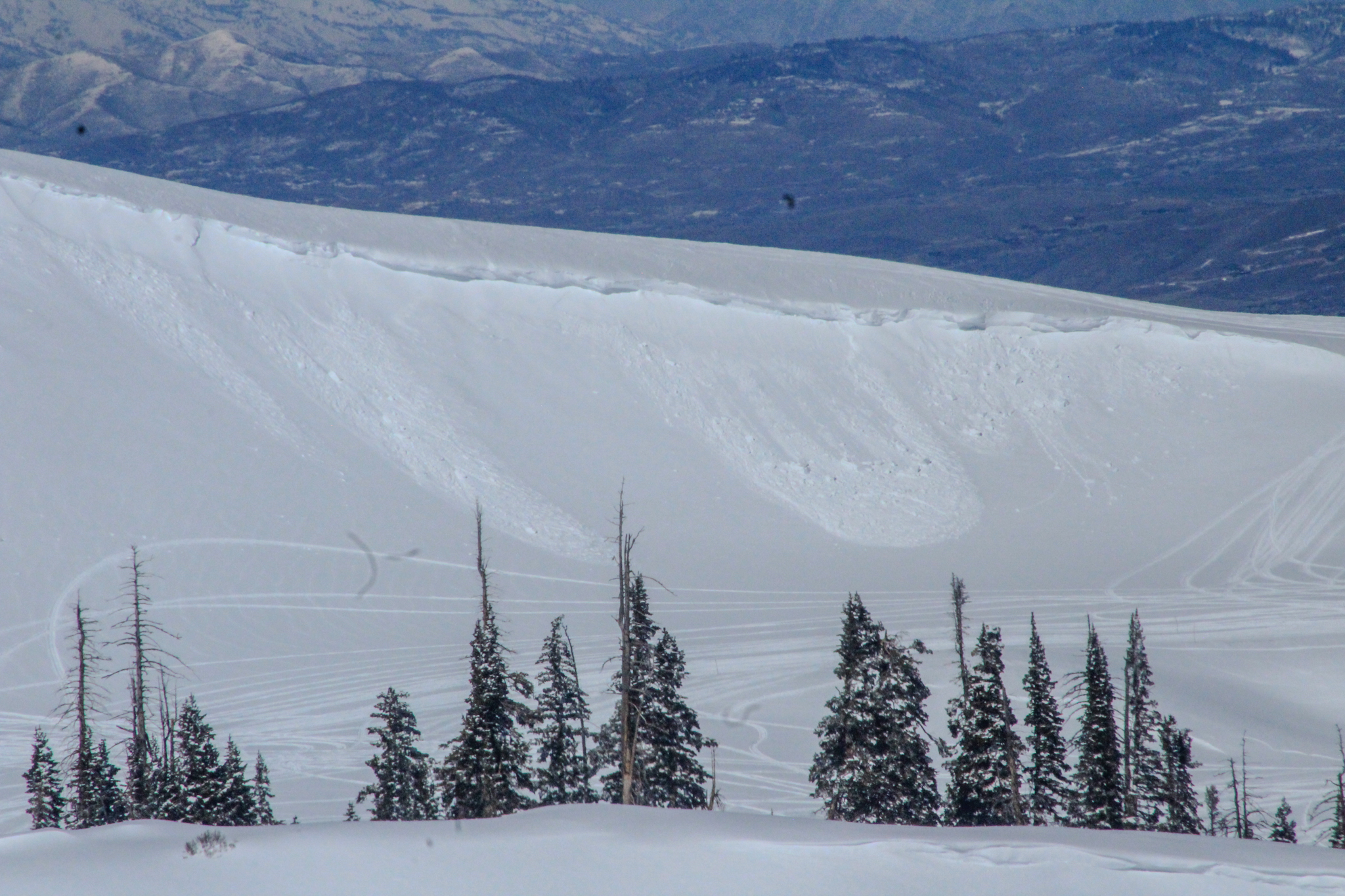
Yesterday, near Tower Mountain, multiple small, D1 wind slabs were observed on northeast through southeast aspects at upper elevations. Maybe not big enough to bury you, but enough to knock you off your rig and take you for a ride.
This past weeks storm snow in conjunction with variable winds from all directions, blowing at all speeds, formed wind-drifts in mid and upper elevation terrain in the wind-zone. Small in size and predictable, I expect most of these to be stubborn today, if not already settled out and bonded to the old snow surface.

This is a very manageable avalanche dragon to identify and an equally easy one to avoid. Simply steer clear and avoid fat, rounded pillows of snow, especially if they look textured and feel hollow.

Additional Information

Join the UAC for the first "Stay and Play Avalanche Course" at Bear River Lodge in the Uintas, March 19th-22nd. This course is designed for snowmobilers by snowmobilers, where you will learn avalanche rescue, riding skills, and how to survive in the backcountry. Come enjoy all the luxury offerings at Bear River Lodge and improve your skills along the way.

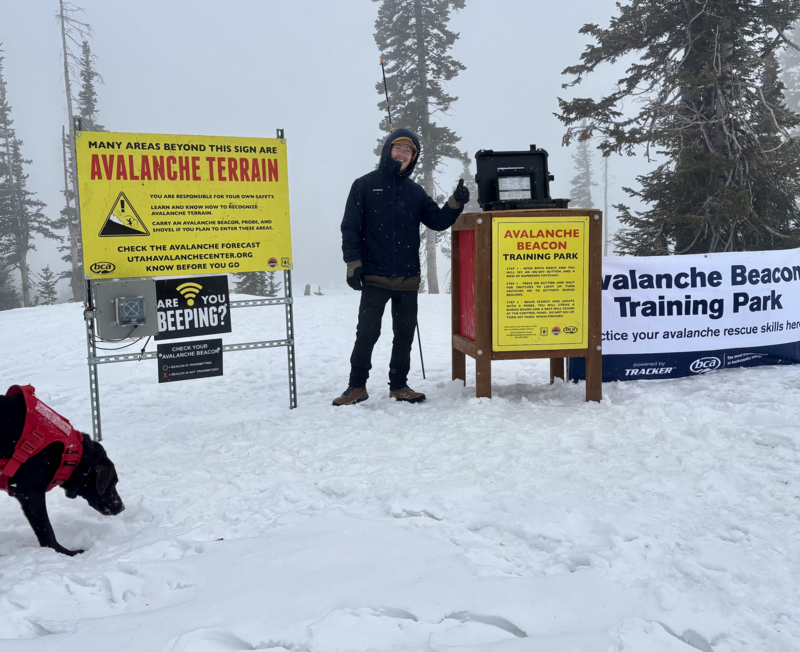
Our Avalanche Rescue Training Park is set-up and located at the top of Wolf Creek Pass, SR-35, and is waiting for you to come take it for a spin! Open up the control unit, flip a few switches, and dial in your avalanche rescue skills with this roadside attraction!

General Announcements

We have some upcoming classes and events that we'd be stoked to see you at -- Please reach out with any questions and check out below for more details!

We are always looking for snow and avalanche observations or just general riding conditions. Reach out to us with questions, concerns, or if you see anything in your travels! Contact us directly through the info below:

This forecast is from the U.S.D.A. Forest Service, which is solely responsible for its content. This forecast describes general avalanche conditions, and local variations always occur. This forecast was issued on Sunday, March 08 at 0600 and expires 24 hours after it was issued. We'll update this information by 07:00 AM tomorrow.