Forecast for the Skyline Area Mountains

Brett Kobernik
Issued by Brett Kobernik on
Sunday morning, March 8, 2026

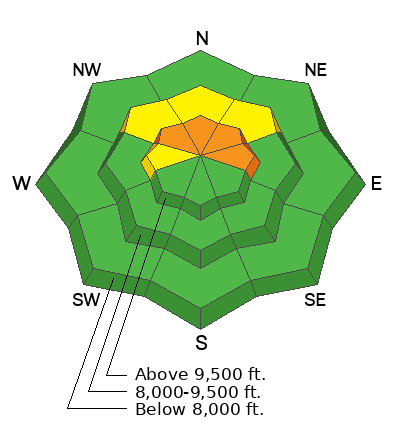
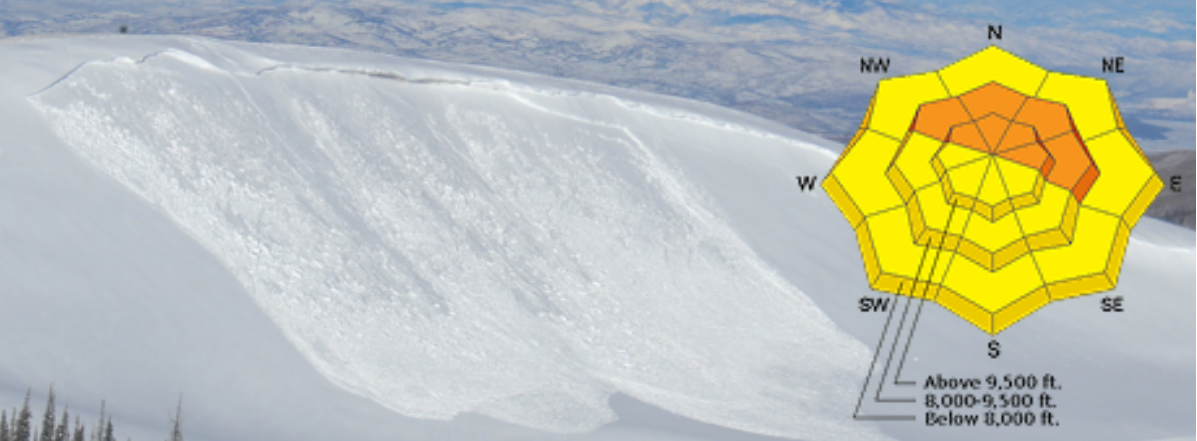
The snowpack is becoming more stubborn, and it is becoming less likely to trigger a dangerous avalanche.

However, A CONSIDERABLE avalanche danger remains on steep slopes above 9500' that face northwest, north, northeast and east.

Low
Moderate
Considerable
High
Extreme
Learn how to read the forecast here
Weather and Snow

General Conditions: East facing slopes became damp on Saturday almost the instant that the sun hit them in the morning. South and west facing slopes also became damp as well as all aspects below about 9000 feet. Upper-elevation northerly-facing slopes remain dry and should still hold good powder this morning. Temperatures made it into the low 30s in the higher terrain on Saturday and dropped into the mid 20s overnight. Wind has been generally light from the west.

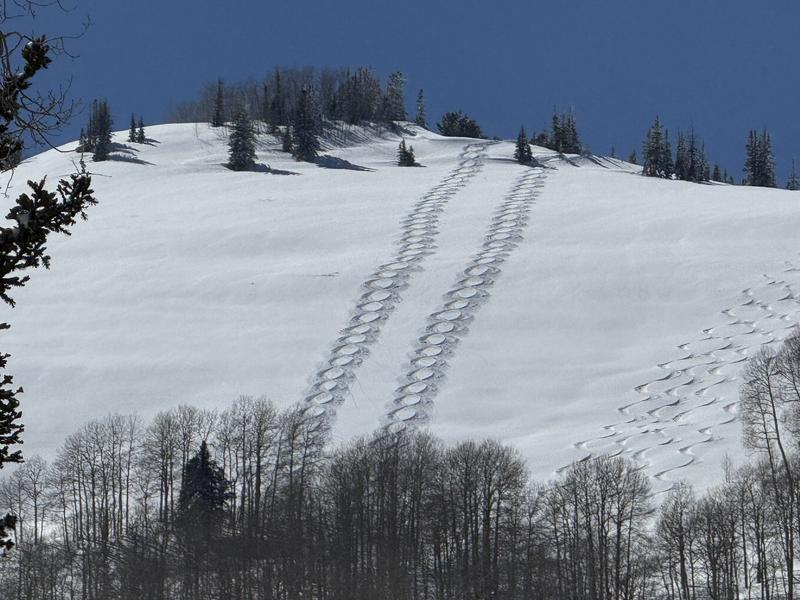
Photo below: Kobernik - Good ski conditions on high elevation northerly facing terrain. Keep in mind that where the riding conditions are the best is also the most likely place to trigger an avalanche.
There are two good backcountry observations you can check out for more details about what people were finding Saturday.

Chris Magerl: Birch Creek

Logan Addis: Electric Lake

Mountain Weather: If you want to get the last of the powder, you probably want to get after it quickly this morning. Temperatures will warm into the 40s in the higher terrain today. This will most likely make the snow damp on all aspects at all elevations. Wind will remain generally light from the west. Temperatures stay warm through the week with no significant storms in sight.
Avalanche Problem #1
Persistent Weak Layer
Type
Location
Likelihood
Size
Description

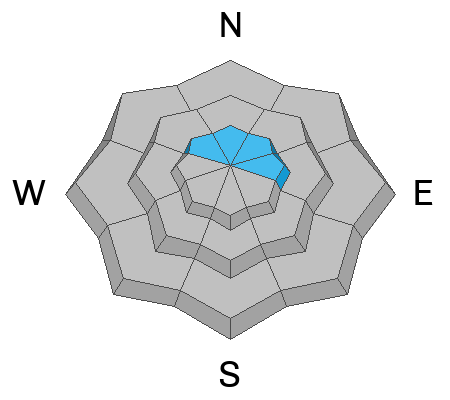
The biggest threat out there today is the chance of triggering an avalanche that breaks into weak snow that formed during the January dry spell. The places to find trouble are on steep slopes above 9500' in elevation that face northwest, north, northeast and east. Here's what's going on with this situation.

The good:

  • Warm weather is helping stabilize the snowpack.
  • The upper layers of the snowpack are strong and are helping "bridge" over the weak layer, making it less likely that we will penetrate the weak layer.
  • The weak layer appears to be gaining strength when assessing it in snowpits.

The bad:

  • The weak layer remains in place.
  • Snowpit tests still show stubborn but poor results with full propagation across the weak layer.
  • Faceted snow often produces avalanches long after we think things are stable. This is why we call this a Persistent Weak Layer.

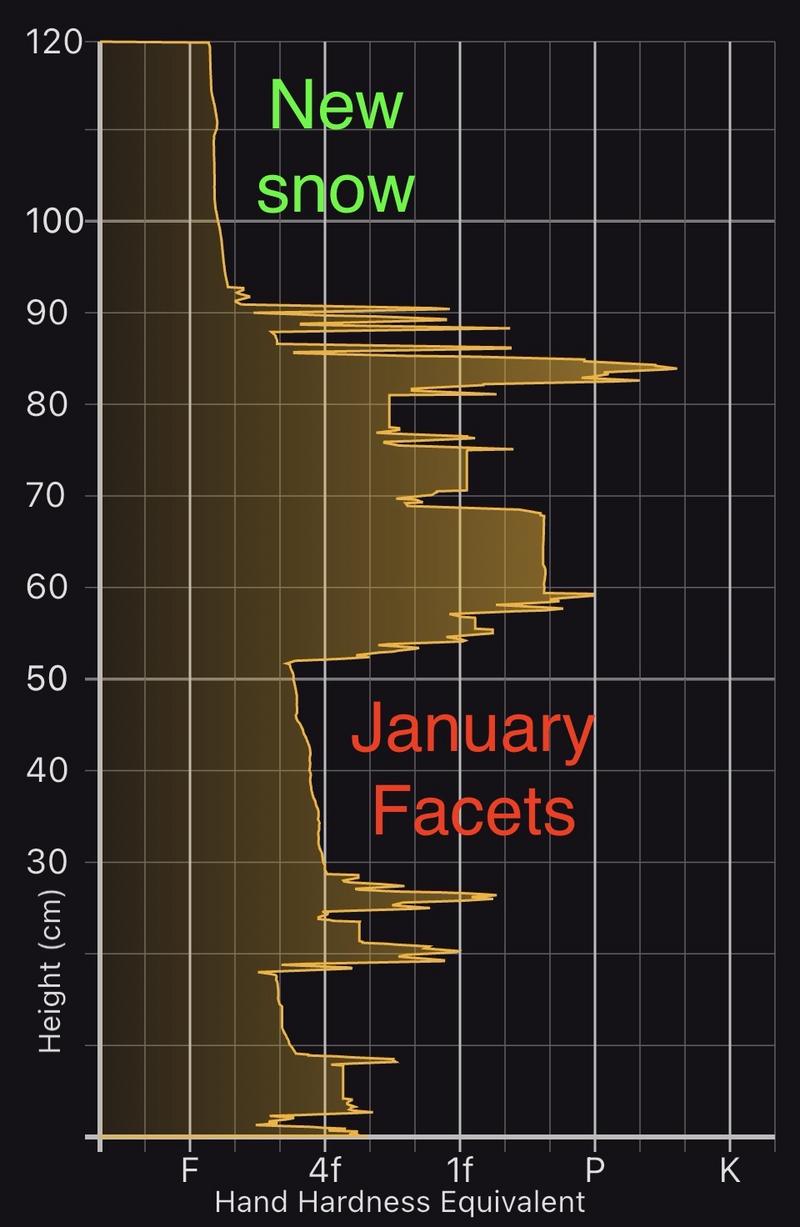
Image below: Kobernik - Snow profiles are showing the January facets to be slowly gaining strength. This layer was "Fist hand hardness" not long ago and is now closer to "Four finger hand hardness". It is slowly getting harder, meaning it is gaining strength.

General Announcements
This forecast is from the U.S.D.A. Forest Service, which is solely responsible for its content. This forecast describes general avalanche conditions and local variations always occur.