Forecast for the Skyline Area Mountains

Brett Kobernik
Issued by Brett Kobernik on
Wednesday morning, March 11, 2026

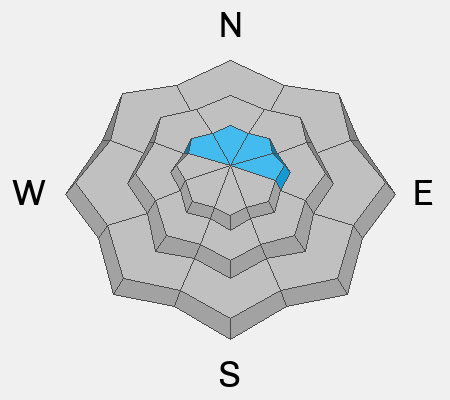
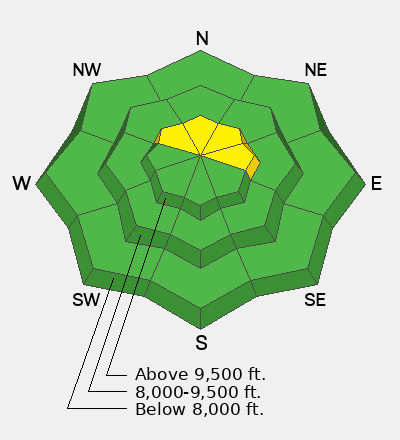
The danger rating is MODERATE on steep slopes above 9500' that face northwest, north, northeast and east.

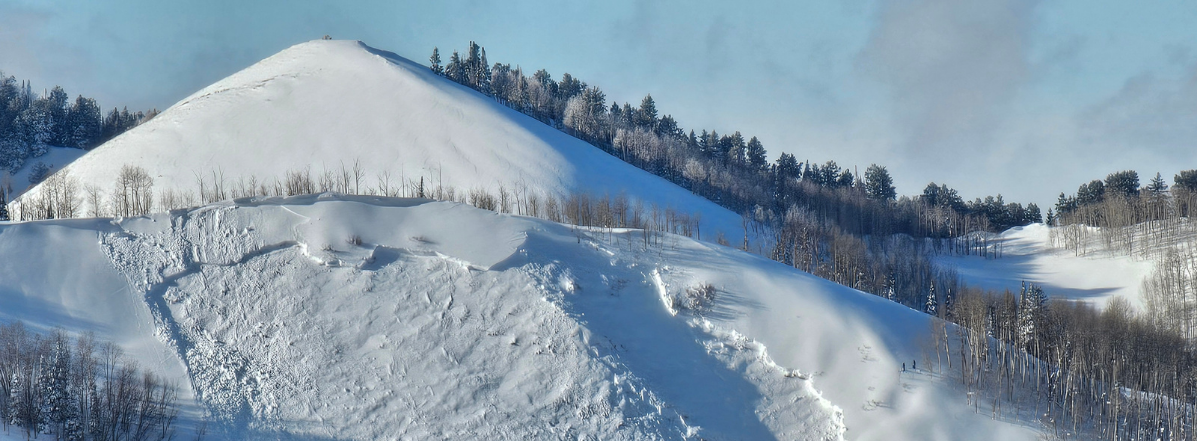
Chances for triggering an avalanche continue to decrease but there is still a chance you could trigger an avalanche that breaks into old weak snow from January.
Low
Moderate
Considerable
High
Extreme
Learn how to read the forecast here
Weather and Snow

General Conditions: Temperatures cooled down overnight to around 20°F or even into the teens in some locations. The wind was pretty strong on Tuesday from the west. It has slowed some along the mid elevations but is still quite strong on the highest peaks. The snow surface should be frozen up pretty solid this morning.

Mountain Weather: We should see mostly clear skies today. Temperatures will be slightly cooler than Tuesday's, but will still get into the mid-30s. Wind will be moderate in speed from the west north-west. Looking ahead, we'll see a gradual warming trend into the weekend, with windy conditions. A week storm brushes northern Utah late Saturday bringing a brief cool down to our zone. It is short lived as a stout ridge of high pressure moves in next week bringing the warmest weather we've seen yet.
Avalanche Problem #1
Persistent Weak Layer
Type
Location
Likelihood
Size
Description

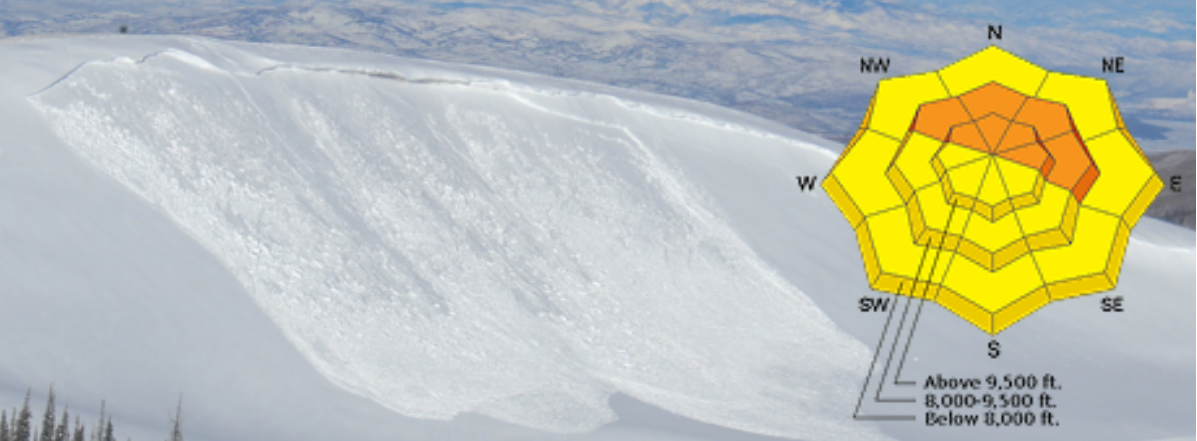
Weak faceted snow that formed in January is buried about 2 feet deep in the snowpack. It has been gaining strength during the recent warm weather. However, there is still a remote chance that a person could trigger an avalanche that breaks into it. The most likely places are on steep, northerly-facing, high-elevation slopes. This is exactly where we want to ride because it is where the best snow conditions are found.

Now, the number of avalanche paths that people are going to encounter is not as many as usual at this time of the season. Usually we have a deep snowpack and we can travel virtually anywhere at this time of the season. This year, southerly facing slopes are melting out to the dirt. There is also very little snow in the lower canyons. Both these factors limit travel options and we just can't get into all that much steep avalanche terrain. However, if you do get into steep upper elevation terrain, keep in mind that you could still trigger an avalanche. It's a "low probability/high consequence" situation.

General Announcements
This forecast is from the U.S.D.A. Forest Service, which is solely responsible for its content. This forecast describes general avalanche conditions and local variations always occur.