Skies are overcast. Temps are in the upper 20s to low 30s. Winds are generally light from the west-southwest, but blowing 15-20mph along the 11,000' level. In the upper elevations, the southern Wasatch picked up 4" overnight, with storm totals of up to 10-16" (up to 1.60" snow water equivalent) up high. Rain reached to 7-7500'.
The storm arrived hot and heavy on a southwest flow with a rough rain-snow line of 7-7500'. While the mid and low elevations remain grim, the dense new snow breathed life back into skiing and riding conditions in the higher terrain. You're still bottom-feeding on the coral on the solar aspects (low angle recommended), but the polar aspects are a delight. But it comes at a cost: the avalanche danger is on the rise. More below.
For today, we'll have off and on snow showers that may add up to 1-3" in favored terrain. Temps will be a touch cooler than yesterday and winds will be generally light from the southwest. We should have some clearing tomorrow through the early part of the weekend before the next series of storms arrive later Sunday into Monday.
We didn't hear any reports of activity in the southern Wasatch, but the central Wasatch was quite active with avalanche activity yesterday. See below. I use this as an example for the Provo mountains because we received more snow/water/wind on top of exceptionally weak snow.
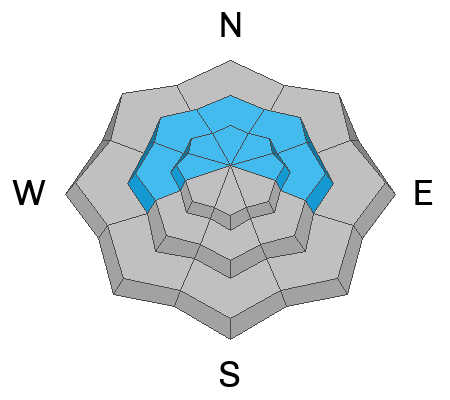
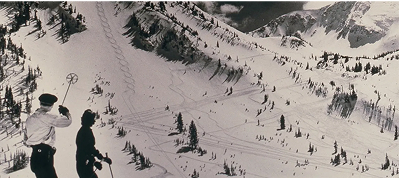
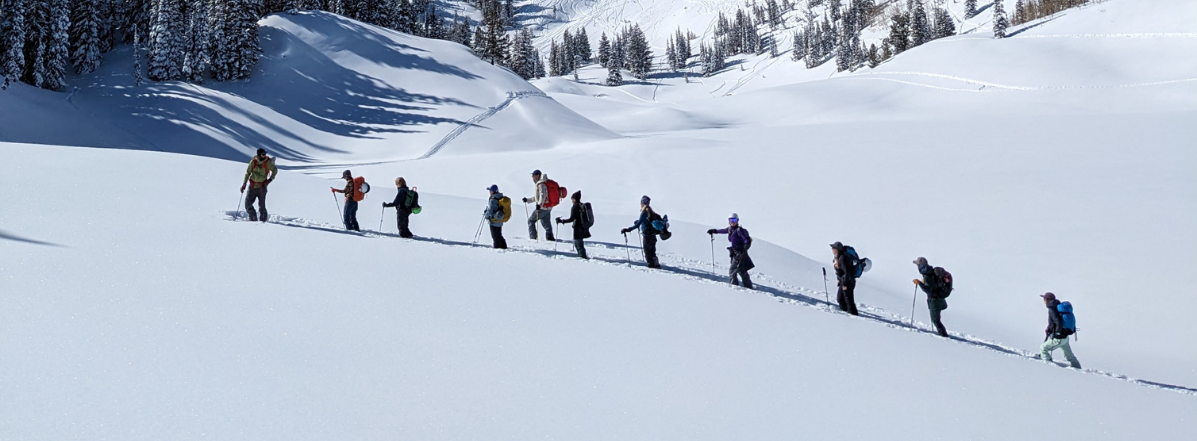
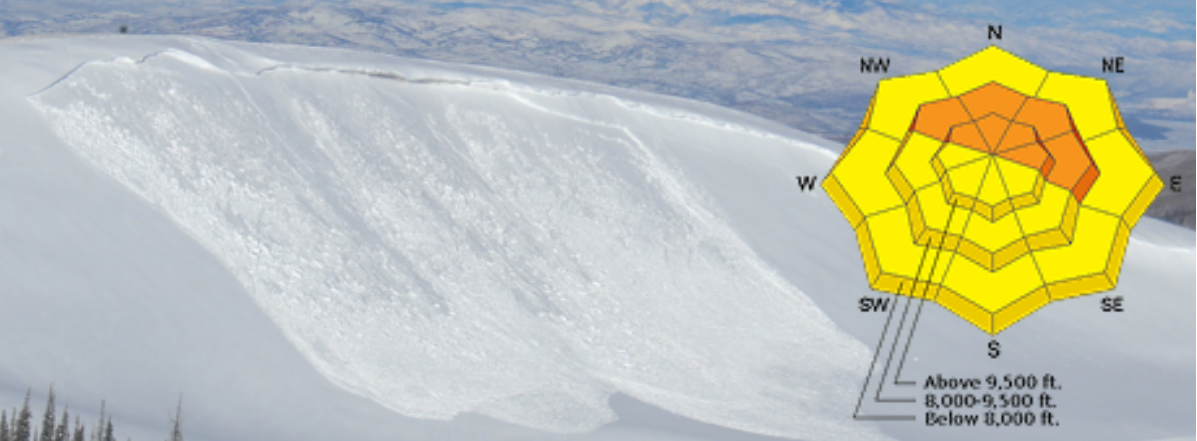
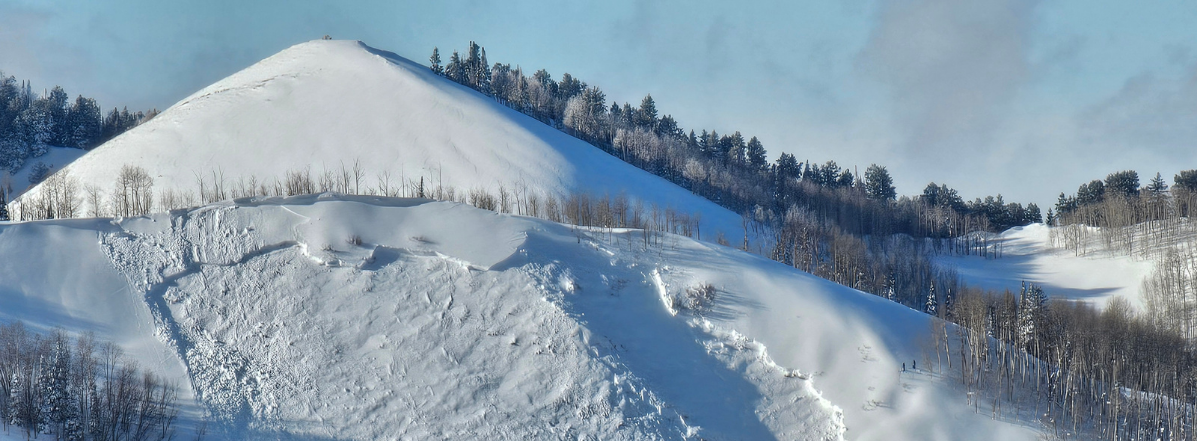
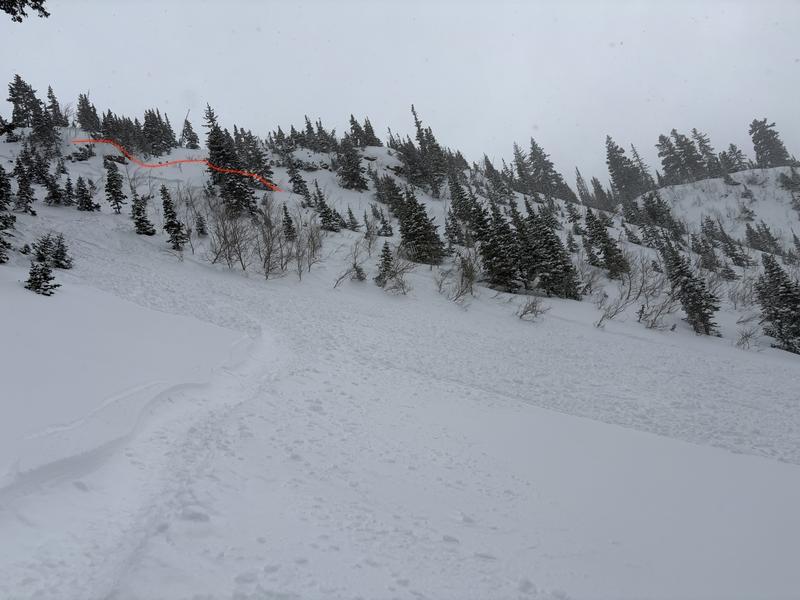
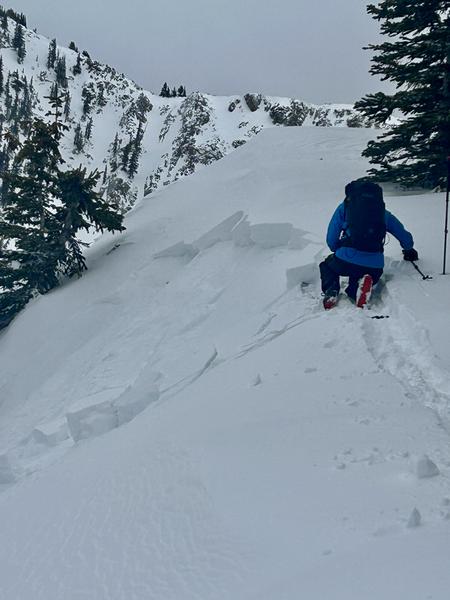
Human triggered avalanches were the rule and not the exception yesterday with regular cracking and collapsing and easy to trigger shallow soft slabs, generally failing on the old weak faceted surface snow. Many avalanches were triggered remotely (at a distance) and most prevalent in areas seeing wind transported snow on north to east facing slopes in the upper elevation bands. In isolated areas, wind was not necessarily a factor as a party triggered a shallow soft slab near the Spire in mid-White Pine (LCC) on a northeast facing slope at 8900'. (1st photo). Paige and I found very sensitive conditions above Twin Lakes Pass and we were easily able to remotely trigger a couple soft slabs from 100' away. (2nd photo). We did hear rumors of two skiers caught and carried in mid-LCC, but don't have any details.
You can view all recent observations here.