Forecast for the Provo Area Mountains
Sunday morning, January 18, 2026
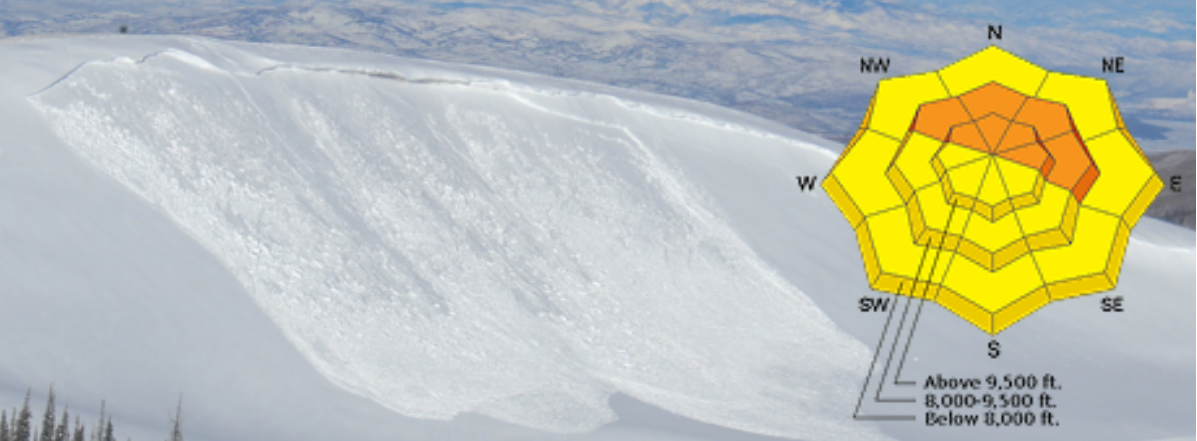
Today the avalanche danger is LOW. You can expect generally safe avalanche conditions, and normal caution is advised.
It's going to be another beautiful day in the mountains. Sunshine, with mountain temperatures climbing into the mid to upper 30s °F. The wind will continue to blow from the west-northwest at speeds of 10-20 mph across upper elevation terrain.
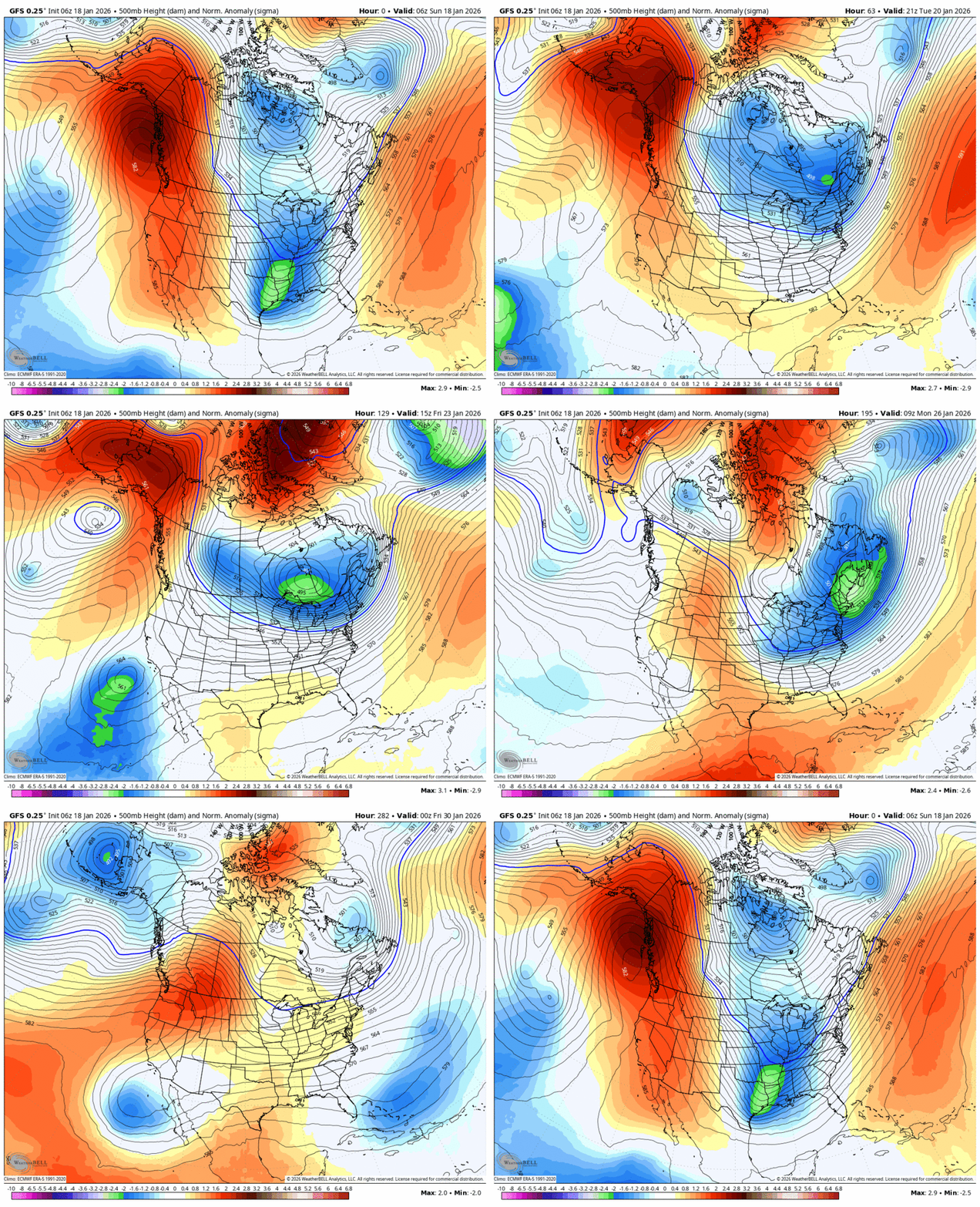
Below is a 500 millibar (18,000') map showing high and low pressure from now until February 3rd. For snow and weather we want the blue to move over Utah and as you can see it's pretty limited for this model run.

No new avalanche activity was reported. However, we did receive several quality observations from the backcountry.
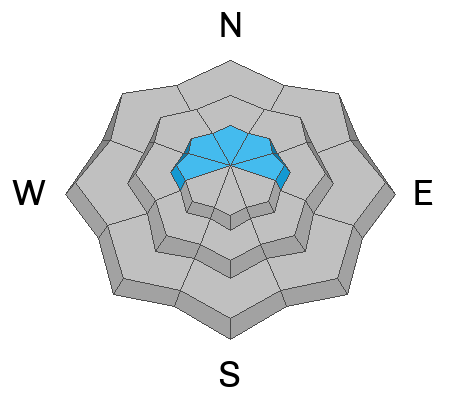
There is no single, dominant avalanche problem today, and overall conditions are generally safe. That said, avalanches are still possible in isolated terrain, so this is not an “anything goes” situation.
You may still encounter:
Small wind slabs on upper-elevation ridgelines and around terrain features where snow has drifted
Loose wet avalanches on sunny slopes as the snow warms during the day
Loose dry sluffs on very steep slopes, especially where snow remains shallow or unconsolidated
Continue to keep your guard up as you travel. Watch for signs of instability such as cracking, recent avalanches, or rapid warming, and adjust your terrain choices accordingly.
Think of the snowpack like a material being stressed. When new snow falls, we add load (weight) and the snowpack deforms elastically—it bends and stores energy without failing. Add enough weight, or apply stress in just the wrong place, and the snowpack can exceed its strength and fail suddenly, producing an avalanche. When there’s a break in loading (like days and days of high pressure), the snowpack begins to deform plastically, slowly adjusting and settling into a more stable configuration. As stored stress is released, avalanches become less and less likely over time.
Another way to think about this is to imagine squeezing a spring between your fingers. As you apply force, the spring compresses, changes shape, and stores energy. Loading the snowpack with new snow or wind-drifted snow does the same thing—it compresses the system and increases stored stress. When you slowly ease your fingers apart, the spring relaxes and releases that energy gradually. Similarly, when there’s a break in loading, the snowpack begins to creep, adjust, and settle. As stress is released over time, the likelihood of a sudden failure—like a slab avalanche—decreases, though it doesn’t disappear entirely.
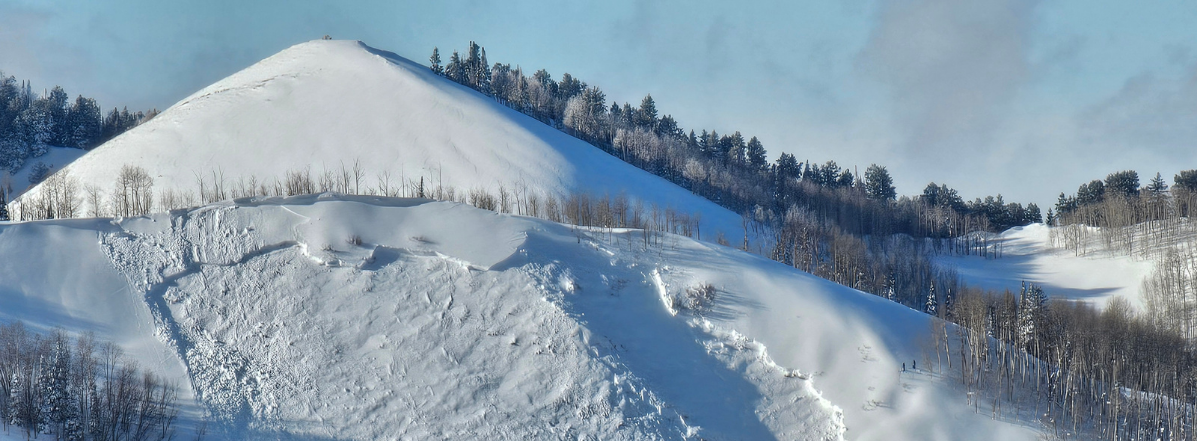
With that said, there’s no doubt we still have a layered snowpack with buried persistent weak layers. It’s been a week since the last reported slab avalanche, which suggests the snowpack is slowly adjusting.
As always, there is inherent risk in the mountains. Continue to be on guard in upper-elevation terrain—especially on thin, steep, shallow, rocky slopes. These isolated areas remain the most likely places where a person could still trigger a slab avalanche.
This information does not apply to developed ski areas or highways where avalanche control is normally done. This forecast is from the U.S.D.A. Forest Service, which is solely responsible for its content. This forecast describes general avalanche conditions and local variations always occur.