Donate Now to Our Year End Campaign!

Forecast for the Logan Area Mountains

Nikki Champion
Issued by Nikki Champion on
Tuesday morning, December 30, 2025

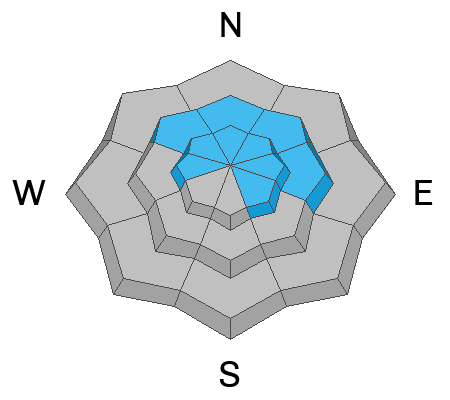
In most areas, the avalanche danger is LOW this morning. A MODERATE danger still exists on upper elevation slopes facing west through north through southeast, where it’s possible to trigger a persistent weak layer avalanche up to three feet deep. Obvious signs of instability may be absent, but weak snow structure continues to linger on some slopes. Avalanches are getting harder to trigger, but this remains a low-probability, high-consequence problem.

A generally LOW avalanche danger doesn’t mean no avalanche danger. Continue practicing safe travel techniques and stay tuned to changes in the snow and weather as you move through terrain.

Low
Moderate
Considerable
High
Extreme
Learn how to read the forecast here
Weather and Snow

This morning, it’s 25°F at Tony Grove, with 41 inches of total snow and about 2 inches of settlement since yesterday. At the UAC Card Canyon weather station, the temperature is 26°F, with 26 inches of total snow. Winds on Logan Peak are blowing from the west southwest at around 30 mph, with gusts reaching 32 mph. On Paris Peak it’s 26°F, with winds from the west southwest at 25 to 28 mph.

Today will be another beautiful, sunny day in the mountains. Temperatures will climb into the low 30s °F at 8,500 feet, with light winds from the west northwest. The forecast calls for clear skies and sunshine through New Year’s Day, along with gradually increasing daily high temperatures. Forecast models suggest snowfall returning this weekend, beginning around the first of the year.

Riders continue to report excellent conditions, with fresh snow and colder temperatures finally delivering winterlike riding. Recent storm snow is bonding well to the old, damp surface, and instabilities from the last storm cycle have mostly settled out. Expect snow to stay cold and soft this week on most aspects, aside from true southfacing slopes where sun has started to affect the surface. Those slopes will likely have a crust this morning.

Our primary concern remains poor snowpack structure, with weak, faceted snow from November still lingering near the ground. These facets are currently moist, or even wet in many places, and generally show fewer signs of instability, such as propagation, but their presence alone creates a potentially dangerous setup.

Recent Avalanches

No new avalanches have been reported locally since early December. Yesterday was generally quiet in the backcountry, with no new signs of instability observed or reported.

On Sunday, a party of snowmobilers reported a loud, resounding whumpf, or audible collapse, near Swan Flats, a good reminder that poor snowpack structure is still hanging around. For all observations and avalanche activity in the Logan Zone, go HERE.


Avalanche Problem #1
Persistent Weak Layer
Type
Location
Likelihood
Size
Description

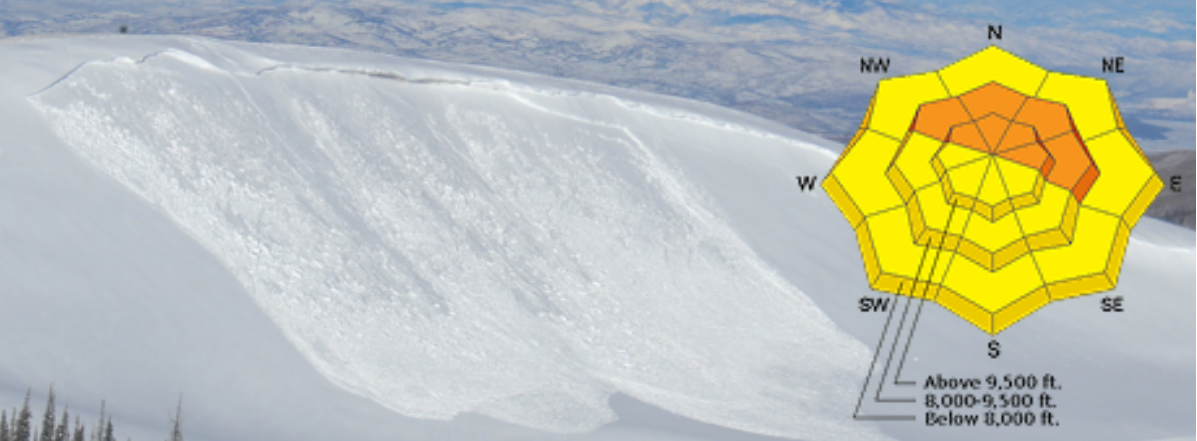
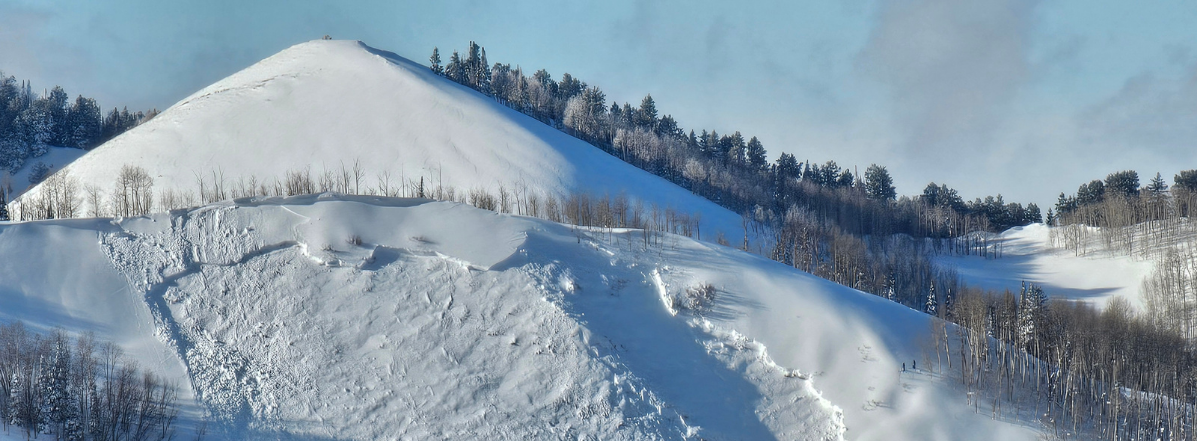
Hard slab avalanches up to 3 feet deep remain possible, but are becoming less likely to trigger. This problem is most relevant on steep, wind-drifted slopes at upper elevations and on select mid-elevation terrain features where poor snowpack structure still exists. Weak, faceted snow from November is now buried beneath a thick crust, or multiple crusts, along with dense, damp snow and the most recent snowfall.

  • Collapsing—seen as shooting cracks or heard as audible whumpfs—is a clear sign of unstable snow, though it may not always be present.
  • Avalanches might be triggered remotely (from a distance or below).

The likelihood continues to decrease overall, especially as the weak grains become damp, wet, or locked into a crust near the ground. Even so, the structure is still there, keeping some uncertainty in the system. Treat steeper slopes with respect, and continue to give this layer the space and caution.

Video from the Northern Bear River Range in southern Idaho shows no signs of instability as of yesterday, though this area has generally seen higher snow totals throughout the storm cycles. The Northern Bear River Range, including southern Idaho, has a somewhat deeper and more stable snowpack, with more uncertainty remaining at the southern end of the range, including Logan Canyon.

Additional Information

Use safe travel practices: travel with a partner, and cross or ride steep slopes one at a time while the rest of your group watches from a safe spot.

Are you interested in learning more about avalanches? Visit our education page for details on all our classes.

For more information, visit the UAC weather page here: UAC Weather Page For Logan-specific weather, go here: Logan Mountain Weather

-For all questions on forecasts, education, Know Before You Go, events, online purchases, or fundraising, call 801-365-5522.

-Remember, the information you provide could save lives, especially if you see or trigger an avalanche. To report an avalanche or submit an observation from the backcountry, go HERE

-Receive forecast region-specific text message alerts to receive messages about changing avalanche conditions, watches, and warnings. Sign up and update your preferences HERE

This forecast is from the U.S.D.A. Forest Service, which is solely responsible for its content. This forecast describes general avalanche conditions and local variations always occur.

General Announcements
This information does not apply to developed ski areas or highways where avalanche control is normally done. This forecast is from the U.S.D.A. Forest Service, which is solely responsible for its content. This forecast describes general avalanche conditions and local variations always occur.