This morning, the Tony Grove Snotel at 8400' reports 23° F, with 28 inches of total snow. Overnight winds remained sustained, blowing from the west-northwest 25 to 40 mph on Logan Peak. On Paris Peak, it's blowing from the same direction, 15 to 22 mph currently, with overnight gusts around 40 mph. Temperatures range from 16° F on Paris Peak to 31° F down in Logan.
Friday night's windy storm made the upper parts of the Tony Grove Road virtually impassable in wheeled vehicles, and you are likely to get stuck if you try to drive up to the lake. Riders report numerous trees down, deep drifts, wind-blasted terrain, with around a foot of heavy new snow in the Tony Grove Area. The riders observed plenty of natural avalanche activity that occurred during the storm and Red Flags of Instability, including shooting cracks and whoompfing.
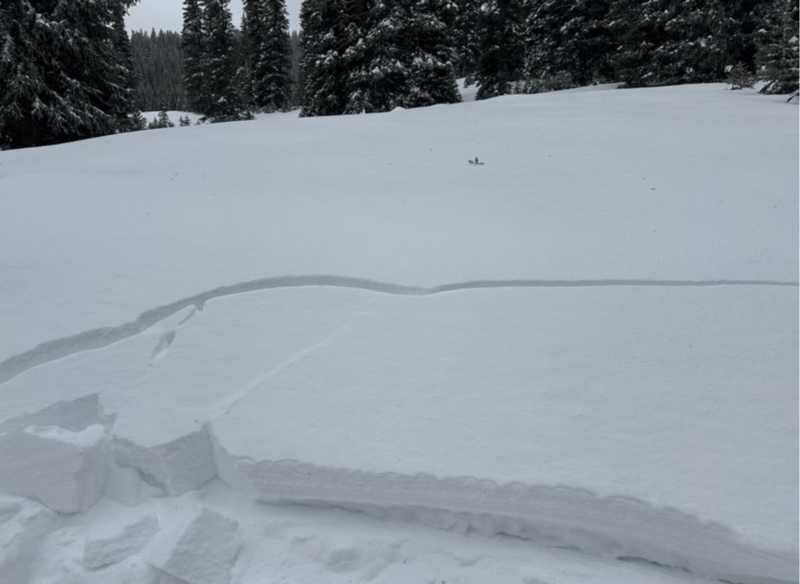
Friday, we were disappointed by a nasty rime event that created a horrible, breakable crust in open terrain on top of very weak sugary snow from earlier in the week and November. At least Friday night's heavy snow has buried it, but the now-buried rime crust will likely complicate things in the future.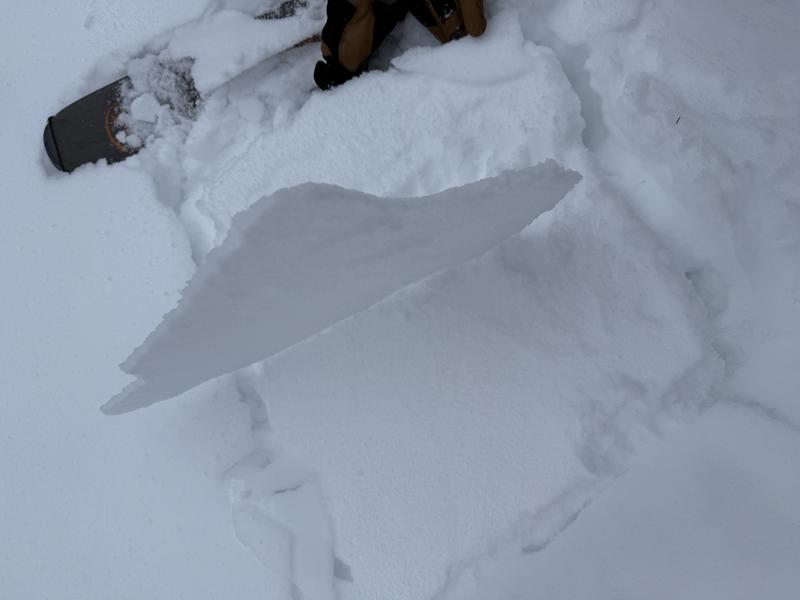
*This from this morning's NWS forecast discussion: "Generally tranquil conditions are expected over Utah and southwest Wyoming through Monday, with just a few showers late Sunday into Monday morning near the Utah/Idaho border. Winds will increase Tuesday into Wednesday, bringing the potential of strong winds to southwest Wyoming and the western Uinta Basin. There is 25% chance that the northern Utah mountains will see warm atmospheric river moisture return by midweek, with a 75% chance that windy conditions will persist with minimal moisture. "
In the Logan Zone: Snow showers and a few inches of accumulation are possible in upper-elevation terrain today and tomorrow, and are increasingly likely as we head into the week.
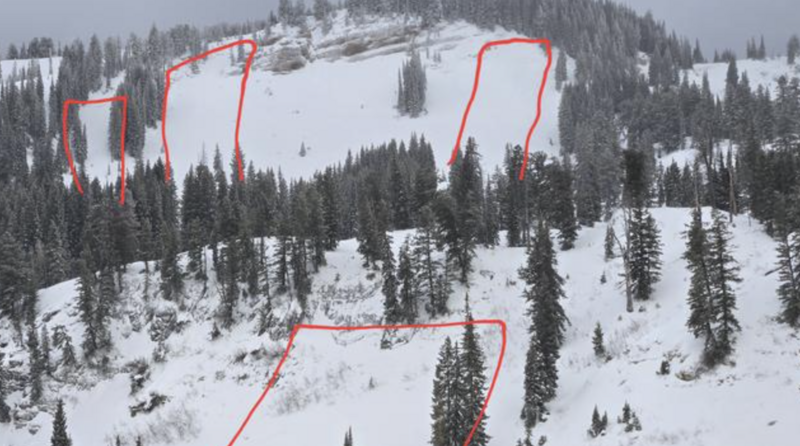
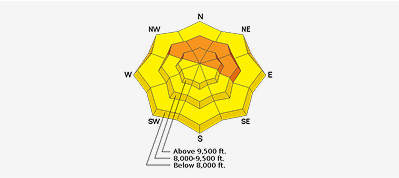
Riders who made it up to Tony Grove Lake yesterday observed that a fairly widespread natural avalanche cycle had occurred overnight. Blown in evidence of slab avalanches failing on sugary faceted snow, 1 ot 2 feet deep could be seen on numerous north and northeast-facing slopes above the south side of the lake. ***For observations and avalanche activity in the Logan Zone, go HERE