Donate Now to Our Year End Campaign!

Forecast for the Provo Area Mountains

Brooke Maushund
Issued by Brooke Maushund on
Saturday morning, December 27, 2025

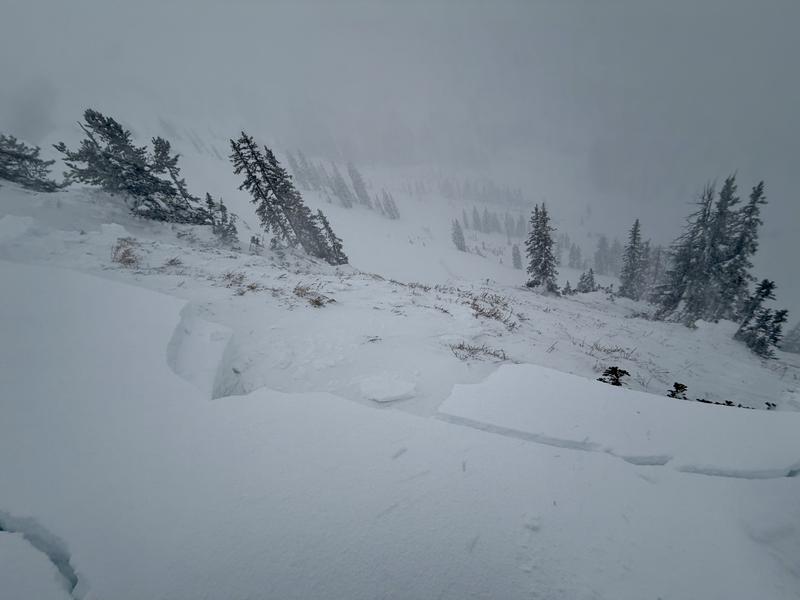
Avalanche danger will continue to rise through MODERATE in upper- and mid-elevation slopes as a storm continues to deliver cold snowfall on top of icy crusts. Expect new snow dry-loose (sluffs) to be easy to trigger, running farther and faster than expected. It also remains possible to trigger a slab avalanche over a foot deep on a persistent weak layer (PWL) at the base of the snowpack, especially in areas where the wind has drifted additional snow.

IF the storm produces on the high end of forecast totals, expect avalanche size and likelihood to increase by the late afternoon.

Low
Moderate
Considerable
High
Extreme
Learn how to read the forecast here
Weather and Snow

This all starts with weak, old snow at the base of the snowpack. Add in multiple days of above-freezing temperatures, with spits and spats of light rain. Then, the newly named Christmas Eve Rain Crust (CERC) is born on Wednesday, with rain to 10,000 feet penetrating an already damp snowpack. What came next?

Yesterday, a Pacific jet brought 1-4" of new snowfall and less than half an inch of water to the Provo zone. Welcomed cool temperatures dropped as the storm moved in, with moderate to strong winds out of the west blowing throughout the day.

Last night, the wide spread in the forecast snow totals left us waking up with emptier pockets than we wanted. Less than 2" of snow fell in our most-favored areas last night, with cold temps and light to moderate winds out of the west.

Today, we see the peak of precipitation rates this morning before they taper off into the late afternoon. Light to moderate winds continue from the west throughout the day. Forecast snow totals continue to have a widespread, with myself and our partners at the NWS leaning towards the lower end of these by 5pm:

  • Sundance: 1-3 inches of snow // 0.1-0.3 inches of H2O
  • Provo Peak: 2-4 inches of snow // 0.1-0.3 inches of H2O
  • Aspen Grove: 2-5 inches of snow // 0.2-0.3 inches of H2O

Tonight into tomorrow, expect precip rates to taper off into the late afternoon, before another reinforcing mass of cold air from the second system arrives tonight. While temps will happily drop into the single digits, this second pulse looks to be drier, especially for the Provo zone. Regardless, I think we'll all appreciate the refresh! Boot-top powder is basically double-overhead when it's been raining to 10,000 feet.

Recent Avalanches

The only avalanches we heard about yesterday were some wet loose sluffs cascading out of the highest, northerly terrain when rain fell on the cold, dry snow. That's all.

Read all recent observations HERE.

Avalanche Problem #1
Persistent Weak Layer
Type
Location
Likelihood
Size
Description

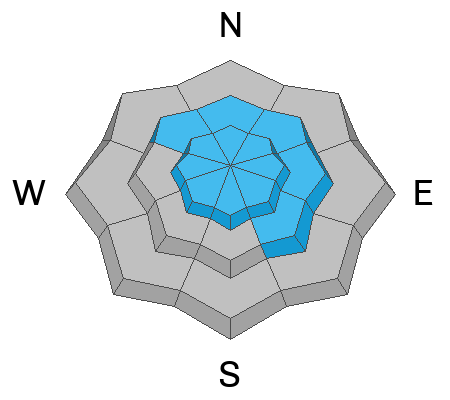
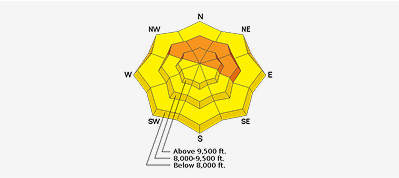
Weak, old snow has lingered on higher slopes above 8500' facing W-N-E since the beginning of the season. With multiple days of above freezing temperatures and rain events—including a deluge up to 10,000 feet on Christmas Eve, the weak snow that makes up the majority of the snowpack is left damp to wet, yet still produces easy propagation.

The faceted grains at the base of the snowpack are wet, but also unsettlingly unconsolidated. Our forecast team collectively has not seen anything quite like this, especially in late December. This is to say, we have high uncertainty in the snowpack. Will the various crusts support riders from triggering a slide on the weak snow below? Will they collapse, but the wet facets won't allow for propagation? The answer is likely yes and no to both of these, as the snowpack varies across terrain. Crusts are known for connecting slopes, and allowing for propagation. Wet or not, I don't trust a facet.

While today is a tricky day to forecast, it's a pretty simple ski day if you’re seeking out good riding. Low angle, protected slopes under 30 degrees will be where you’re least likely to trigger an avalanche and, they will have the best ski quality since you won’t be hitting those darned crusts as much.

Avalanche Problem #2
New Snow
Type
Location
Likelihood
Size
Description

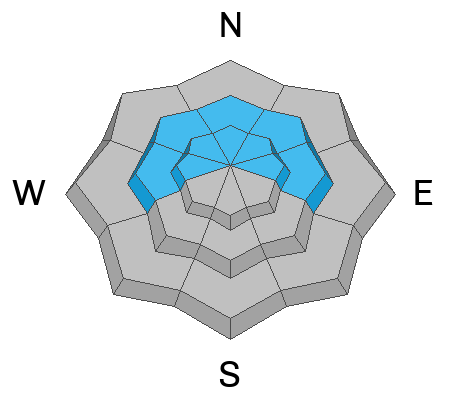
1-4 inches of new, cold snow fell in the past 36 hours, with the potential for another 1-5 inches during the day today. This new, light snowfall is falling on top of a mixed grab bag of crusts from high temps and rain events earlier this week. These crusts range from firm, slick, icy and supportable to grippy, porous, aerated, and collapsible. Pockets of this new snow will potentially run farther and faster and you might expect on these slicker crusts.

In areas with more textured surfaces—better for bonding with new snow—on the the leeward sides of ridges and in mid-slope catchment areas like gullies and rollovers, expect the wind to deposit slabs of fresh snow that will be sensitive to your bodyweight. These smaller avalanches will be effective triggers for stepping down to the larger, more consequential avalanches mentioned above.

General Announcements

This information does not apply to developed ski areas or highways where avalanche control is normally done. This forecast is from the U.S.D.A. Forest Service, which is solely responsible for its content. This forecast describes general avalanche conditions and local variations always occur.