Donate Now to Our Year End Campaign!

Forecast for the Ogden Area Mountains

Bo Torrey
Issued by Bo Torrey on
Saturday morning, December 20, 2025

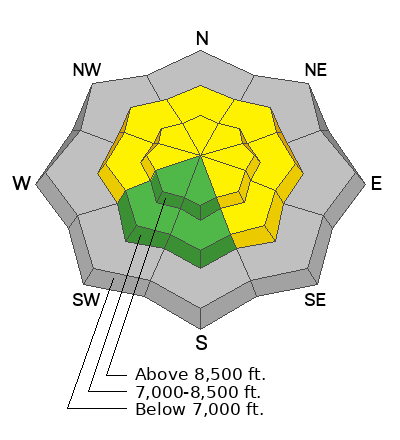
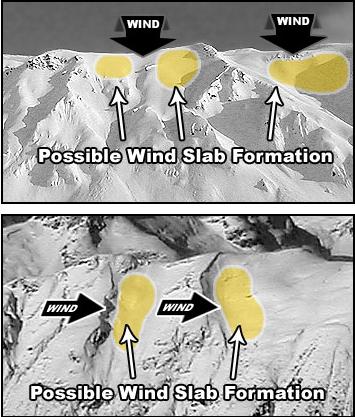
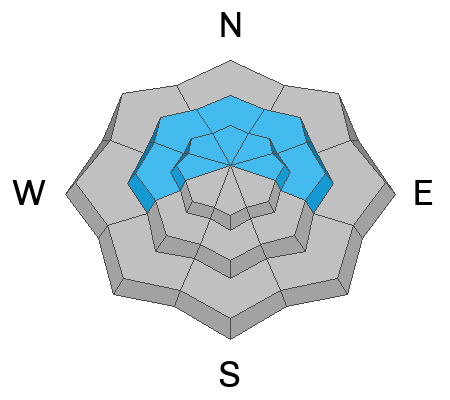
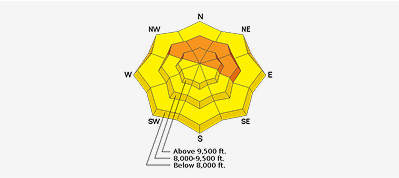
A Moderate avalanche danger exists on upper elevation slopes where recent snowfall and strong west winds have drifted snow into cohesive soft slabs. These slabs will be most common near Powder Mountain and Monte Cristo, where more snow fell overnight. It's possible that an avalanche triggered in a wind-drifted area could break on a buried persistent weak layer near the ground.

Low
Moderate
Considerable
High
Extreme
Learn how to read the forecast here
Weather and Snow

Overnight, most places only saw 1 to 2 inches of heavy wet snow, with Monte Cristo and Powder Mountain picking up 3 to 6 inches of snow with 0.3 to 0.9 inches of snow water equivalent. The rain-snow line hovered between 8000 and 8500 feet. Winds were blowing out of the west 15-25 mph with gusts into the 40s along the high peaks.

For today, skies will be mostly cloudy with occasional snow showers. We could see an additional 1 to 2 inches before sunset. Temperatures remain on the warm side with freezing levels hovering around 9000 feet, but will feel cooler with cloud cover and a light breeze. Winds are easing and should continue that trend before bumping up during the early evening hours.

Looking ahead, the weather looks to remain active with another warm storm moving through tomorrow into Tuesday.

Derek Debruin was out along the North Ogden Divide prior to the snow, and his excellent report is Here. He noted a thin and layered damp snowpack fraught with crusts and facets.

Recent Avalanches

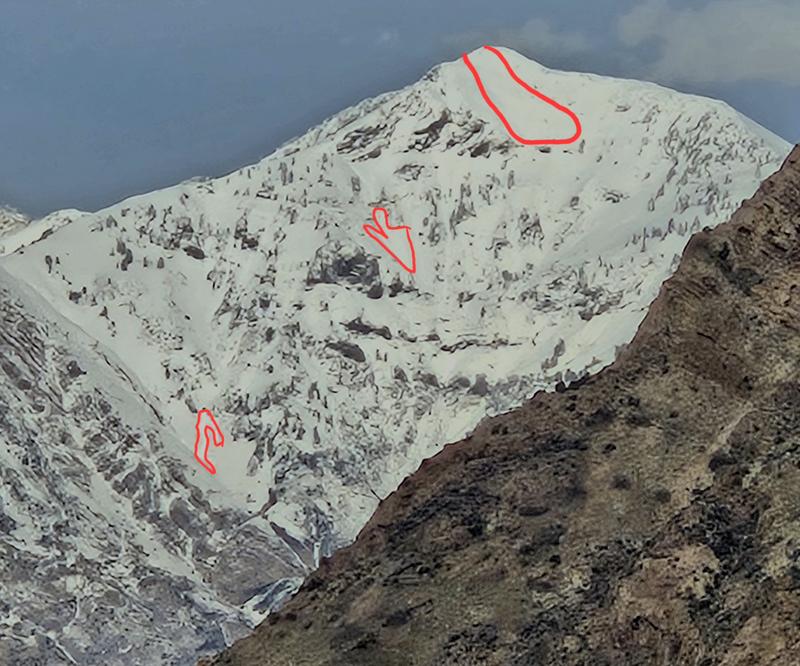
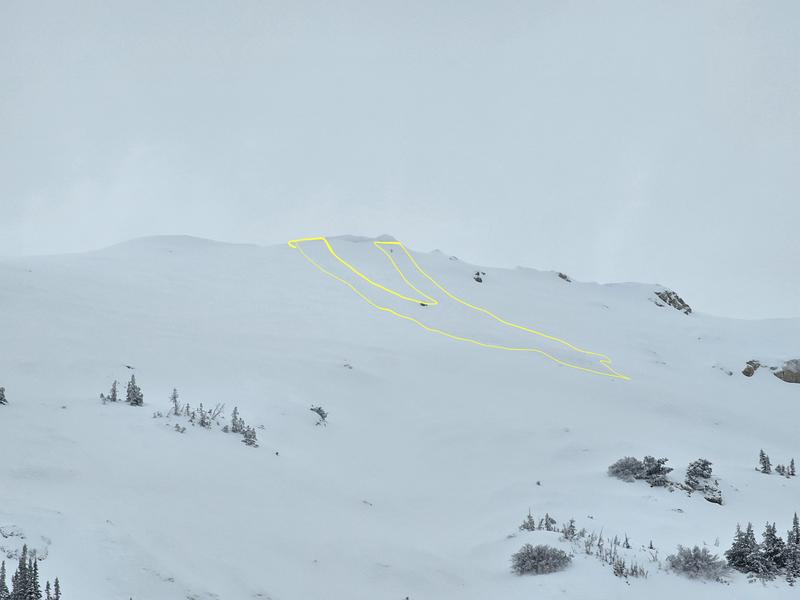
The last reported avalanches were on December 7th, with the last significant storm.

Avalanche Problem #1
Wind Drifted Snow
Type
Location
Likelihood
Size
Description

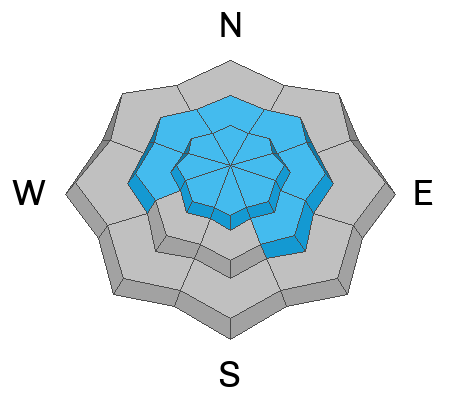
Small, sensitive soft slabs can be found leeward of exposed ridges. These thin slabs will be most pronounced in the areas that saw more than 4 inches of snowfall overnight. Shooting cracks within the surface snow will be a key indicator that the snow is stiff enough to create reactive slabs.

Avalanche Problem #2
Persistent Weak Layer
Type
Location
Likelihood
Size
Description

Today, it will be possible to trigger a soft slab avalanche that fails on a buried persistent weak layer in upper elevation, shallow snowpack areas where wind drifted additional snow into cohesive slabs. Before the storm, facets overlayed with crusts were common up to around ~8500 feet. Damp facets before the storm, followed by warm temperatures, rain, and wet snow, may create unstable conditions in the short term but help strengthen persistent weak layers looking ahead.

Derek's snowpit below

Avalanche Problem #3
Wet Snow
Type
Location
Likelihood
Size
Description

Unseasonably warm temperatures and rain falling on snow below 8000 feet may create loose wet avalanches. While these slides may be small, the heavy, wet debris can be dangerous in tight spots. Avoid terrain traps like road banks, creek beds, and gully walls where this heavy snow can pile up deeply and bury a person.

General Announcements

This information does not apply to developed ski areas or highways where avalanche control is normally done. This forecast is from the U.S.D.A. Forest Service, which is solely responsible for its content. This forecast describes general avalanche conditions and local variations always occur.